Business
Rowdy Oxford Lawsuit Trade Secrets and Defense Impact


Introduction to the Rowdy Oxford Lawsuit
The Rowdy Oxford lawsuit has emerged as one of the most closely observed corporate legal disputes within the defense industry. This high-profile litigation centers on allegations that Rowdy Lane Oxford, a senior executive, improperly accessed and misappropriated sensitive corporate information from Hesco Armor and subsequently shared it with a rival company, Integris Composites. The claims brought forward in the case encompass breach of contract, theft of trade secrets, violation of fiduciary duties, and improper handling of export-controlled materials.
Filed in the Western District of North Carolina, this federal lawsuit also raises national security concerns due to the involvement of Controlled Unclassified Information (CUI) and files regulated under the International Traffic in Arms Regulations (ITAR). The dispute highlights the intricate challenges of safeguarding intellectual property in the defense sector, particularly as companies must navigate the delicate balance between protecting proprietary information and respecting employee rights, while ensuring full compliance with corporate policies and federal regulations.
The implications of this case are extensive, spanning legal, financial, and operational dimensions. Organizations across the defense industry are closely tracking the proceedings, recognizing that the outcome could set significant precedents in areas such as corporate governance, digital security protocols, and the management of insider threats. The Rowdy Oxford case serves as a pivotal example of how sensitive data, corporate responsibility, and national security intersect in modern corporate law.
Background of Rowdy Lane Oxford and Companies Involved
Rowdy Lane Oxford held a senior executive position at Hesco Armor, a leading defense contractor specializing in protective equipment for military applications. Hesco Armor is known for high-security standards and strict data governance policies due to the sensitive nature of its work. Integris Composites, another company in the defense sector, became implicated in the case when Oxford allegedly transferred confidential information to them.
The lawsuit claims that Oxford accessed approximately 9,000 files containing proprietary designs, pricing strategies, customer lists, and other confidential data. According to Hesco Armor, these files were essential to the company’s competitive advantage in the defense industry. Oxford’s alleged actions are said to violate multiple non-disclosure agreements, employment contracts, and fiduciary duties.This case illustrates the risk posed by insider threats in defense contracting. Senior executives often have access to critical technical information, and misuse can result in both financial and national security consequences.
Quick Bio
| Attribute | Details |
|---|---|
| Full Name | Rowdy Lane Oxford |
| Known For | Central figure in the Rowdy Oxford lawsuit |
| Age | Not publicly disclosed |
| Nationality | American |
| Profession | Senior Executive in defense industry |
| Companies Involved | Hesco Armor, Integris Composites |
| Industry | Defense, Corporate Security, Defense Contracting |
| Allegations | Breach of contract, trade secret theft, misappropriation of confidential information, fiduciary duty violations |
| Legal Basis | Uniform Trade Secrets Act, Computer Fraud and Abuse Act, federal employment agreements |
| Key Issues | Unauthorized download of 9,000 files, export-controlled data, Controlled Unclassified Information (CUI), ITAR violations |
| Court | Western District of North Carolina, Federal Court |
| Court Orders | Temporary restraining order, digital forensic audit, consent final order discussions |
| Impact | National security concerns, corporate espionage implications, insider threat awareness |
| Lawsuit Type | Civil lawsuit, corporate litigation, federal lawsuit |
| Areas of Risk | Proprietary information, pricing strategies, customer lists, product designs |
| Defense Arguments | Files accessed were within work scope, no intent to misappropriate, Integris Composites acted independently |
| Settlement / Resolution | Ongoing, potential consent order or civil settlement in discussion |
| Industry Implications | Insider threat prevention, corporate governance, digital security, compliance with trade secret and export regulations |
| Public Recognition | Low; private figure, media silence, social media absence |
| Legacy / Significance | Precedent in trade secret litigation, corporate compliance lessons, digital data protection standards |
| Skills / Expertise | Corporate leadership, knowledge of defense contracting, executive responsibilities |
| Current Status | Litigation ongoing; discussions of settlement underway |
| Notable Outcomes | Legal precedent potential, awareness for defense contractors on safeguarding confidential data |
Allegations of Breach of Contract
The lawsuit against Oxford lists several specific breaches of contract. Hesco Armor alleges that he:
- Violated non-compete clauses preventing work with competing defense firms
- Misused proprietary information protected under employment agreements
- Shared corporate data that could compromise Hesco Armor’s market position and national security obligations
These alleged breaches are serious, as they involve not only confidential business information but also sensitive defense-related materials regulated by federal export laws. The case emphasizes the importance of clear contract terms, strong data protection policies, and executive compliance.
Trade Secret Theft and Misappropriation Claims
Trade secret theft is central to the lawsuit. Hesco Armor asserts that Oxford improperly obtained proprietary business intelligence and transferred it to Integris Composites. The alleged trade secrets include:
- Export-controlled technical documentation for defense products
- Pricing models, production plans, and customer agreements
- Research and development materials subject to ITAR regulations
Under the Uniform Trade Secrets Act, unauthorized disclosure of these materials constitutes a serious legal violation. The plaintiffs argue that Oxford’s actions provided a competitive advantage to Integris Composites while damaging Hesco Armor’s operational integrity.
Digital Forensics and Evidence Gathering
A digital forensic audit played a key role in the case, aimed at determining the scope of Oxford’s alleged data exfiltration. Investigators examined server logs, email records, file transfers, and access histories to identify unauthorized downloads.
The forensic review revealed patterns suggesting that Oxford accessed sensitive files without explicit authorization, potentially violating his fiduciary duty. This type of evidence is crucial in civil lawsuits involving corporate espionage, as it documents both intent and impact on the company. Digital forensics also helps courts determine remedies, including potential injunctive relief and financial damages.
Legal Framework and Statutes Cited
Several legal frameworks underpin the Rowdy Oxford lawsuit. These include:
| Law / Act | Purpose | Application in Case |
|---|---|---|
| Uniform Trade Secrets Act | Protects proprietary business information | Addresses alleged misappropriation of Hesco Armor files |
| Computer Fraud and Abuse Act | Prevents unauthorized computer access | Addresses unauthorized downloads of corporate data |
| Employment Contracts | Define fiduciary duties and non-compete obligations | Provides grounds for breach of contract claims |
These laws create a multi-layered legal argument against Oxford, combining federal trade secret protections, employment obligations, and digital security regulations.
Court Orders and Injunctions
Early in the litigation, the court issued a temporary restraining order to prevent Oxford from further access or disclosure of confidential information. The order required:
- Immediate cessation of any file transfers to Integris Composites
- Compliance with non-disclosure and non-compete clauses
- Cooperation with digital audits to verify that all proprietary information remained secure
Such measures are standard in cases involving trade secrets, where the ongoing risk of disclosure can lead to irreparable harm. The restraining order also emphasizes the judiciary’s role in maintaining corporate data integrity.
Alleged Misuse of Export-Controlled Data
The lawsuit includes allegations of unauthorized handling of ITAR-regulated files and CUI. These materials are subject to strict export control regulations because they pertain to national security.
Misappropriation of these documents is considered a serious offense, potentially attracting federal oversight. If proven, Oxford’s alleged actions could have implications beyond corporate competition, affecting regulatory compliance and national security protocols.
Plaintiffs’ Arguments
Hesco Armor’s legal team emphasizes that Oxford breached his obligations by:
- Downloading and transferring sensitive corporate files
- Violating fiduciary duties and non-disclosure agreements
- Compromising proprietary information essential to Hesco Armor’s operations
- Potentially exposing the company to national security risks
The plaintiffs’ case illustrates the importance of executive accountability in protecting corporate and government-sensitive information.
Defense Arguments
Oxford’s defense team disputes these claims, arguing that:
- All accessed files were within the scope of his work responsibilities
- There was no intent to misappropriate proprietary information
- Integris Composites acted independently and without knowledge of any alleged wrongdoing
- The temporary restraining order was overly restrictive
This defense highlights the difficulty of proving intent and the legal nuances in trade secret litigation.
Impact on Employees and Community
Beyond corporate implications, the lawsuit affects the broader Oxford community and Hesco Armor employees. Concerns include:
- Trust and loyalty among staff members
- Awareness of cybersecurity and compliance protocols
- Local reputation of the companies involved in defense contracting
The case has also sparked discussions about how insider threats can affect employee morale and local economic stability.
Potential Outcomes and Precedents
Potential outcomes include:
- Case dismissal if no intentional misconduct is proven
- Settlement with non-compete restrictions and return of confidential files
- Trial leading to financial damages for trade secret theft
- Legal precedents influencing defense contractor policies
The case may serve as a reference for future disputes involving corporate espionage, digital security, and employment obligations in highly regulated industries.
Lessons for the Corporate World
The Rowdy Oxford lawsuit underscores:
- The importance of rigorous data governance policies
- Proper management of employment exit protocols
- The consequences of insider threats in sensitive industries
- Necessity of digital forensics and continuous monitoring
- Maintaining ethical standards and fiduciary responsibilities
Corporate leaders can learn valuable lessons about compliance, risk management, and operational integrity.
Current Status and Settlement Discussions
Currently, the lawsuit is ongoing in federal court. Discussions for a consent final order or civil settlement are underway. Settlement terms may include:
- Full return or deletion of proprietary files
- Non-compete obligations
- Oversight of digital data handling procedures
The legal outcome will likely influence the defense industry’s approach to insider threat management, corporate compliance, and employee oversight.
Broader Implications
The Rowdy Oxford lawsuit represents a turning point in how corporations handle sensitive data and employee compliance. It demonstrates the intersection of trade secret law, national security regulations, and corporate ethics.
Executives, legal teams, and corporate boards should take note of the ramifications for digital governance, export-controlled information, and internal audits. Beyond legal consequences, the case is a reminder that ethical management and careful oversight are essential for sustaining trust in defense contracting and related sectors.
Conclusion
The Rowdy Oxford lawsuit underscores important lessons for the corporate, legal, and defense sectors. The allegations of misappropriating proprietary data, theft of trade secrets, and breaches of fiduciary duty emphasize the critical need for robust compliance measures, vigilant internal controls, and ethical leadership at all levels of an organization.
Regardless of whether the dispute is resolved through a settlement or a court ruling, the case is poised to have a lasting impact on corporate law, operational practices within the defense industry, and the management of sensitive information. It also highlights the broader risks associated with insider threats and reinforces the importance of carefully balancing trust with oversight in high-stakes, security-sensitive industries where both legal accountability and operational integrity are essential.
FAQs About the Rowdy Oxford Lawsuit
- What is the Rowdy Oxford lawsuit about?
It involves allegations of trade secret theft, breach of contract, and unauthorized use of sensitive defense-related files by Rowdy Lane Oxford. - Which companies are involved?
Hesco Armor filed the lawsuit against Oxford, and Integris Composites is implicated in the alleged unauthorized file access. - What laws are cited in the case?
The Uniform Trade Secrets Act, Computer Fraud and Abuse Act, and related federal employment statutes are central. - Has there been a settlement?
Discussions of a consent final order and civil settlement are ongoing but no confirmed resolution exists. - Why is this case important?
It highlights insider threats, corporate espionage, compliance with export-controlled regulations, and the legal responsibility of executives in the defense industry.

Business
Brian Gould’s Leadership in Retail Distribution: How TruLife Distribution is Reshaping U.S. Market Growth


Brian Gould: Shaping the Future of Retail Distribution
As the CEO and founder of TruLife Distribution, Brian Gould has built a legacy that is grounded in a deep understanding of the retail distribution industry. With more than two decades of hands-on experience, Brian’s leadership has been instrumental in shaping how brands approach the U.S. market. As a fourth-generation professional in the field, his expertise extends far beyond theory and is rooted in real-world practice.
Brian’s journey in retail distribution began with managing 20 brands across 100 retail outlets in the American Southwest, giving him an unparalleled perspective on how products perform in both physical and e-commerce spaces. His leadership also played a critical role in the development of Amazon’s Nutrition and Sports Nutrition categories, allowing him to bridge the gap between traditional retail and digital platforms. After founding TruLife Distribution in 2019, Brian and his team have been dedicated to helping brands not only enter the U.S. market but also create sustained growth through strategic market planning.
Why Retail Distribution Demands More Than Just Shelf Placement
In today’s competitive market, simply placing a product on store shelves does not guarantee success. Retail distribution is not just about access; it’s about creating a comprehensive strategy that ensures your product doesn’t just sit on the shelf but builds lasting momentum. While visibility is essential, it needs to be paired with strong market positioning, consistent brand support, and a well-coordinated growth plan.
TruLife Distribution goes beyond just product placement. They understand that true success in retail distribution comes from a structured approach, where every aspect of the brand’s entry into the market is carefully planned and executed. By focusing on long-term sustainability, they help brands navigate complex retail environments and continuously build traction.
The Pitfalls of Retail Distribution: What Brands Often Miss
Many brands assume that a good product will naturally succeed in the marketplace. However, in the world of retail distribution, success requires more than just a great product. It requires a strong market strategy, clear positioning, and ongoing support. Without these key elements, even the best products can fall short.
TruLife Distribution helps brands avoid these pitfalls by offering strategic insights, market research, and a clear expansion path that positions them for growth. By focusing on brand positioning and consistent execution, TruLife ensures that brands don’t just enter the market, they build long-term success in a highly competitive industry.
How TruLife Distribution Structures Retail Distribution for Long-Term Growth
TruLife Distribution understands that in the world of retail, success is not just about getting products into stores. It’s about creating a structured distribution plan that leads to sustainable growth. TruLife’s approach is to offer brands more than just a route to retail shelves they offer a complete growth framework.
The company works closely with brands to strategically position them across the right retail channels while providing continuous support to ensure that their growth doesn’t plateau. By focusing on long-term sustainability rather than quick wins, TruLife Distribution ensures that brands are equipped to grow steadily, making their presence felt not just today, but for years to come.
Brian Gould’s Expertise in Retail Distribution
A Legacy Built on Experience
With a fourth-generation legacy in retail, Brian Gould’s expertise in retail distribution is unmatched. His understanding of both brick-and-mortar and e-commerce channels allows him to provide brands with the knowledge and tools needed to succeed in both spaces. His experience working with major retail buyers, running ECRM programs, and expanding brands into top retail chains has given him a sharp market judgment that many brands rely on.
Under his leadership, TruLife Distribution has helped brands enter new markets and gain traction in a competitive environment. Whether it’s physical retail stores or online platforms, Brian’s hands-on approach has positioned him as a leader in the world of retail distribution.
Insights Into the U.S. Retail Market
Brian’s leadership in retail distribution is also informed by his experience in developing Amazon’s Nutrition categories. This has given him valuable insight into how e-commerce intersects with traditional retail and how brands can leverage both to accelerate their growth. His understanding of the U.S. market, combined with his years of experience, makes him a trusted advisor for brands looking to scale.
Why Effective Retail Distribution Matters
Visibility Alone Isn’t Enough
While getting a product onto shelves is a critical first step, true success in retail distribution comes from the ability to convert visibility into sustained growth. A product may be placed in the right retail channels, but without strong market positioning, the brand will fail to capture the consumer’s attention long-term.
TruLife Distribution helps brands turn visibility into success by aligning product marketing with retail strategies and ensuring that the brand message is consistently communicated across all platforms. This holistic approach ensures that retail distribution doesn’t just get a product into stores; it ensures the brand builds a lasting presence in the market.
Execution: The Key to Unlocking Retail Growth
Access to retail distribution is one thing, but execution is what differentiates successful brands from those that fall short. TruLife Distribution doesn’t just place products on shelves; they ensure that every aspect of a brand’s journey whether in a physical store or online gets the necessary follow-through to ensure sustained growth.
By offering ongoing support, strategic marketing, and consumer engagement, TruLife ensures that the initial momentum from entering the market doesn’t fade but instead builds into consistent growth over time.
Planning for Sustainable Retail Distribution
Success in retail distribution isn’t just about having a great product; it’s about having a strategic plan that takes every aspect of market entry into account. From understanding consumer needs to selecting the right retail channels, planning is crucial for long-term success.
TruLife Distribution works with brands to develop these strategic plans, ensuring that every decision made, from product placement to marketing efforts, is designed to build a strong foundation for sustained retail growth.
TruLife Distribution’s Role in Building a Strong Retail Presence
Structured Market Entry for Long-Term Success
A structured entry strategy is crucial to creating lasting growth in the U.S. retail market. TruLife Distribution ensures that brands don’t rush into the market but enter with a clear strategy that sets them up for sustainable success.
By offering a clear roadmap, TruLife Distribution ensures that every step in the brand’s growth journey is coordinated, allowing for consistent progress and long-term market presence.
Maintaining Growth Beyond the Launch Phase
A product launch is just the beginning. The real challenge is maintaining that initial momentum. TruLife Distribution helps brands stay focused and execute a long-term strategy that ensures the product doesn’t just launch but continues to gain traction and grow over time.
With ongoing support, marketing, and strategic planning, TruLife ensures that brands not only succeed in the short term but stay relevant and continue to expand for years to come.
Conclusion: The Importance of Strategic Retail Distribution for Long-Term Growth
Retail distribution is far more than just getting a product on the shelf. It requires strong planning, effective execution, and consistent follow-through. TruLife Distribution understands this and focuses on building long-term strategies that ensure brands not only enter the market but continue to grow and thrive.
By providing strategic support, market insights, and long-term planning, TruLife helps brands navigate the complexities of retail distribution and create a foundation for lasting success in the U.S. market.
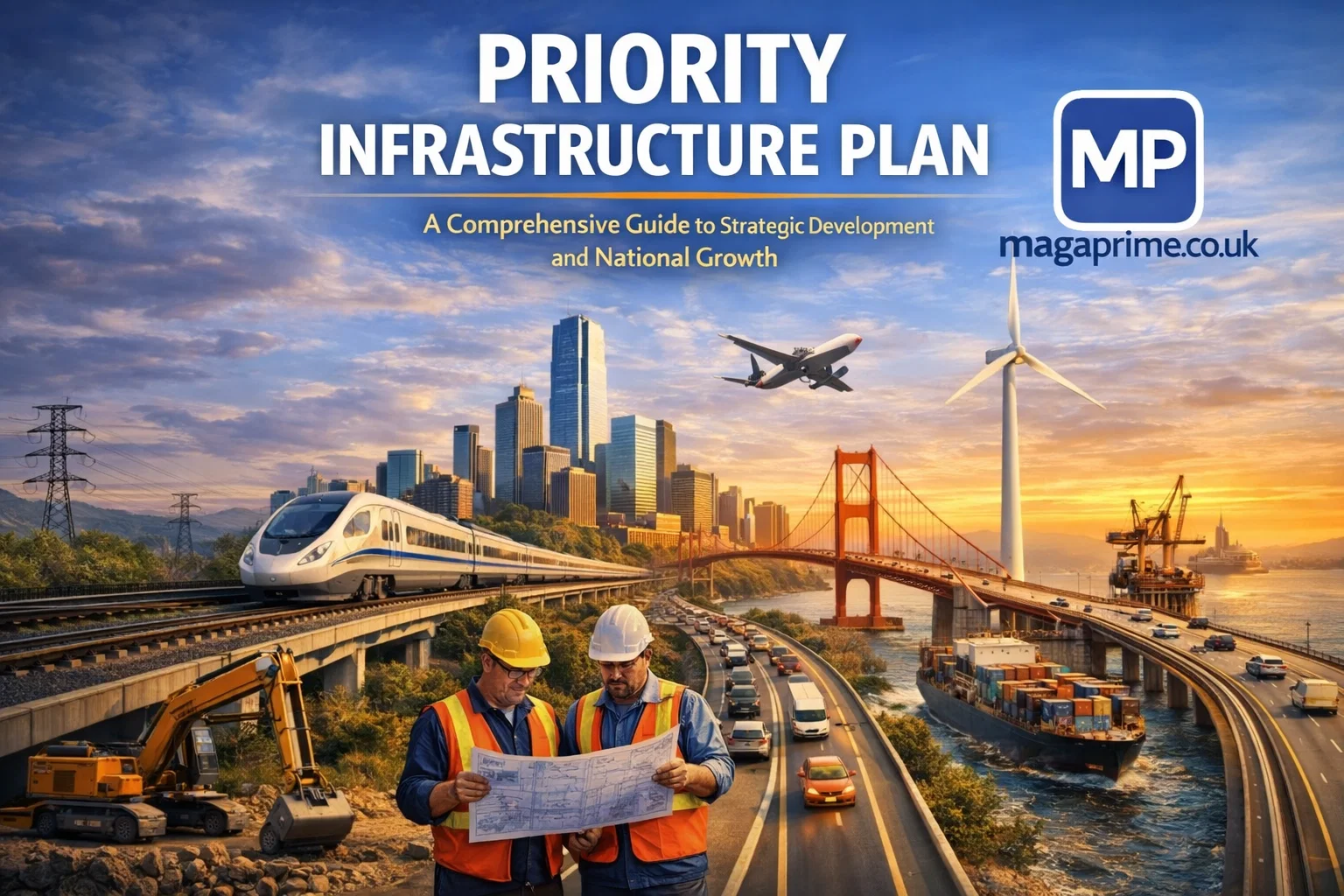
Introduction: Why Infrastructure Decisions Shape the Future
Infrastructure influences daily life in ways most people rarely notice. Roads enable trade, water systems protect public health, and digital networks connect economies across borders. Behind every functioning city lies careful infrastructure planning guided by long-term vision and responsible investment. As populations increase and environmental risks grow, governments must move beyond short-term construction decisions and adopt structured planning approaches that prioritize lasting value. Modern societies require infrastructure systems that are reliable, adaptable, and capable of supporting future generations without placing unnecessary strain on resources.
A priority infrastructure plan helps policymakers identify projects that create meaningful and sustainable outcomes. Instead of funding scattered initiatives, planners evaluate which investments improve economic stability, strengthen service delivery, and enhance community wellbeing. Infrastructure development strategy today focuses on balancing immediate needs with long-term resilience. Nations that succeed in this process develop stronger economies, attract innovation, and provide better living conditions for citizens. Infrastructure modernization therefore becomes a continuous effort rather than a one-time achievement, ensuring that development keeps pace with technological and social change.
Understanding the Meaning of a Priority Infrastructure Plan
A priority infrastructure plan represents a structured approach used to determine which public infrastructure projects should receive attention first. It integrates economic analysis, environmental considerations, and social impact assessments into a unified planning model. Governments apply this framework within national infrastructure planning systems to align investments with broader development goals. The objective is not simply to build more infrastructure but to build infrastructure that delivers measurable benefits over time.
Modern infrastructure prioritization replaces traditional decision-making that often depended on political urgency or short funding cycles. Through performance-based infrastructure planning, planners evaluate projects using clear criteria such as long-term value, accessibility improvements, and service reliability. Infrastructure governance ensures that decisions remain transparent and accountable while infrastructure policy frameworks guide consistent implementation. This process creates an infrastructure implementation roadmap that organizes projects logically and supports efficient infrastructure program management across agencies and regions.
Why Infrastructure Prioritization Matters More Than Ever
Rapid urban growth and technological transformation have increased pressure on existing infrastructure systems. Cities expand faster than older planning models anticipated, creating challenges related to congestion, housing demand, and utility reliability. Aging infrastructure upgrades now compete with new development needs, making prioritization essential. Governments must carefully balance repair and expansion while maintaining fiscal responsibility and meeting environmental commitments.
Infrastructure prioritization criteria help planners compare projects objectively using infrastructure feasibility analysis and cost-benefit analysis methods. These evaluations consider regional infrastructure planning requirements, infrastructure capacity expansion needs, and community infrastructure planning objectives. When priorities are clearly defined, infrastructure investment pipelines become more manageable and implementation timelines become realistic. This structured approach reduces delays and ensures that public sector infrastructure investments produce long-term societal value instead of temporary solutions.
Economic Growth and Competitive Advantage Through Infrastructure
Infrastructure plays a direct role in shaping economic performance. Efficient transport infrastructure improves logistics efficiency by reducing travel times and lowering operating costs for businesses. Reliable energy infrastructure ensures uninterrupted industrial activity, while digital infrastructure enables innovation and global connectivity. Together, these systems form the backbone of economic development infrastructure and influence how competitive a region becomes in the global economy.
Investment in public infrastructure projects stimulates economic activity both during and after construction. Job creation through infrastructure supports local employment while improved infrastructure service delivery attracts private investment. Regions with strong infrastructure investment plans often experience higher productivity and stronger regional economic growth. Strategic development plans align infrastructure modernization with industrial and technological advancement, ensuring that infrastructure investments support long-term prosperity rather than isolated economic gains.
Key Sectors Covered Under a Priority Infrastructure Plan
Infrastructure planning encompasses several interconnected sectors that must evolve together to achieve sustainable progress. Transport infrastructure remains essential for mobility and trade, including road infrastructure improvement, bridge modernization, railway development, and freight mobility improvement. Public transport expansion enhances accessibility while supporting green transportation systems that reduce environmental impact.
Energy infrastructure represents another critical area, particularly as countries transition toward renewable energy infrastructure and energy efficiency planning. Stable energy systems improve economic resilience and reduce environmental risks. Digital infrastructure supports digital connectivity expansion through broadband infrastructure and high-speed internet access, enabling innovation and expanding educational and economic opportunities.
Water and sanitation infrastructure protects public health and environmental stability through flood control systems, stormwater management, and climate adaptation planning. Social infrastructure strengthens communities by improving healthcare facility access, education infrastructure, and affordable housing infrastructure. Together, these sectors create integrated systems that improve community accessibility and support equitable infrastructure access.
Sustainability and Environmental Responsibility in Infrastructure Planning
Environmental sustainability has become a defining principle of modern infrastructure development strategy. Governments increasingly design projects that align with environmental sustainability goals while supporting long-term economic development. Sustainable infrastructure development focuses on reducing emissions, conserving resources, and minimizing ecological disruption throughout infrastructure lifecycle planning.
Climate resilience infrastructure plays a vital role in protecting communities from extreme weather events. Disaster-resistant infrastructure incorporates climate adaptation planning into design standards, ensuring durability under changing environmental conditions. Urban resilience strategies combine environmental planning with infrastructure investment to reduce risks associated with flooding, heatwaves, and resource shortages. By integrating sustainability into infrastructure decision-making, governments ensure that development today does not compromise future stability.
Building Resilient and Disaster-Ready Infrastructure
Resilience has become a central objective in infrastructure resilience planning. Modern infrastructure must withstand natural disasters, technological disruptions, and population pressures without service failure. Risk assessment planning allows engineers and planners to identify vulnerabilities before construction begins, reducing long-term infrastructure risk management challenges.
Disaster-resistant infrastructure includes reinforced transport systems, secure energy networks, and reliable water systems capable of operating during emergencies. Public safety infrastructure improvements protect communities while maintaining infrastructure service delivery during crises. Infrastructure asset management ensures ongoing monitoring and maintenance so that systems remain functional throughout their lifecycle. Resilient infrastructure not only reduces recovery costs but also strengthens public confidence in governance and planning institutions.
The Role of Technology in Future-Ready Infrastructure
Technology has transformed how infrastructure is designed, monitored, and managed. Smart infrastructure systems use data analytics to optimize performance and improve infrastructure outcomes measurement. Sensors embedded in roads, bridges, and utilities provide real-time information that supports proactive maintenance and service level improvement.
Digital infrastructure enables automation and advanced infrastructure program management tools that improve project delivery frameworks. High-speed internet access supports education, healthcare, and economic participation, especially in underserved regions. Infrastructure modernization increasingly relies on digital platforms that enhance infrastructure decision-making and allow planners to respond quickly to emerging challenges. Technology therefore becomes an essential partner in achieving efficient and adaptive infrastructure systems.
Governance, Transparency, and Accountability
Strong infrastructure governance ensures that projects deliver public value and maintain trust. Government infrastructure policy establishes regulatory oversight mechanisms that guide procurement planning and financial accountability. Transparent infrastructure decision-making processes reduce corruption risks and improve public confidence in infrastructure investments.
Governance accountability also requires clear performance monitoring systems. Infrastructure outcomes measurement evaluates whether projects achieve intended goals related to accessibility, efficiency, and sustainability. When infrastructure policy frameworks emphasize openness and accountability, stakeholders remain informed and engaged throughout implementation. Effective governance transforms infrastructure planning into a collaborative process rather than a closed administrative exercise.
Stakeholder Engagement and Public Participation
Infrastructure projects affect entire communities, making stakeholder engagement essential for successful planning. Community infrastructure planning encourages citizens, businesses, and local organizations to participate in decision-making processes. Public consultation helps planners understand social needs and identify potential challenges early in project development.
Inclusive participation improves equitable infrastructure access by ensuring that infrastructure investments serve diverse populations. Engagement also strengthens social acceptance, reducing project delays caused by opposition or misunderstanding. Collaboration between public agencies and private organizations fosters innovation and shared responsibility. Through active participation, infrastructure planning becomes more responsive and aligned with community expectations.
How Infrastructure Projects Are Evaluated and Prioritized
Project evaluation relies on structured methodologies designed to ensure fairness and effectiveness. Infrastructure prioritization criteria assess economic impact, environmental sustainability, and social benefits simultaneously. Cost-benefit analysis compares expected outcomes with project lifecycle costs, allowing planners to allocate resources efficiently.
Infrastructure scoring methodology incorporates project evaluation metrics such as transport connectivity improvements, service reliability, and regional development potential. Infrastructure feasibility analysis examines technical and financial practicality before approval. This systematic approach creates balanced infrastructure investment pipelines that support strategic objectives while minimizing risk. Prioritization therefore becomes a transparent and evidence-based process rather than subjective decision-making.
Funding and Investment Strategies
Infrastructure financing requires diverse funding sources to support large-scale development. Governments often combine public funding with public-private partnerships to share risks and accelerate project delivery. Infrastructure funding strategies must consider long-term maintenance costs alongside initial construction expenses.
Infrastructure investment plans rely on careful financial modeling and procurement planning to ensure sustainability. Private sector participation introduces innovation and efficiency while maintaining governance accountability. Infrastructure financing mechanisms also support regional infrastructure planning by directing investment toward underserved areas. Balanced funding approaches enable consistent infrastructure capacity expansion without overwhelming public budgets.
The Role of the Private Sector in Infrastructure Development
Private sector involvement has become increasingly important in modern infrastructure development strategy. Businesses contribute expertise, innovation, and operational efficiency through collaborative delivery models. Public-private partnerships allow governments to leverage private investment while maintaining oversight and public interest protections.
Private organizations often introduce advanced technologies that enhance infrastructure modernization and service delivery. Collaboration encourages knowledge sharing and improves project delivery frameworks. When supported by clear regulatory oversight, private participation accelerates infrastructure implementation while maintaining transparency. Effective partnerships therefore strengthen both economic outcomes and infrastructure quality.
Monitoring, Maintenance, and Long-Term Performance
Infrastructure success depends not only on construction but also on long-term maintenance and monitoring. Infrastructure asset management systems track performance and identify maintenance needs before failures occur. Asset maintenance planning reduces long-term costs while improving system reliability.
Performance monitoring evaluates infrastructure service delivery and ensures continuous improvement. Infrastructure lifecycle planning considers maintenance from the earliest design stages, preventing future financial burdens. Regular evaluation supports service level improvement and ensures infrastructure outcomes align with strategic goals. Sustainable infrastructure systems require consistent oversight to remain effective over decades.
Infrastructure as a Catalyst for Innovation and Social Progress
Infrastructure investment often triggers broader innovation across industries. Improved digital connectivity expansion enables entrepreneurship, remote work, and digital creator audience growth. Enhanced transport networks support global trade and regional collaboration. Infrastructure therefore acts as a foundation for innovation ecosystems that encourage economic diversification.
Social progress also benefits from improved infrastructure. Education infrastructure expands learning opportunities, while healthcare facility access improves public wellbeing. Community accessibility increases participation in economic and social activities. Infrastructure investment benefits extend beyond physical construction by shaping opportunities, improving equity, and strengthening societal resilience.
Urban Planning, Smart Cities, and Future Development Models
Urban infrastructure development increasingly integrates smart city concepts that combine technology with sustainable planning principles. Municipal infrastructure planning aligns transportation, housing, utilities, and digital systems into coordinated urban environments. Planning scheme integration ensures efficient land use and supports balanced city growth.
Smart mobility solutions improve traffic management while reducing emissions. Urban resilience strategies prepare cities for environmental and demographic changes. Integrated planning supports affordable housing infrastructure and equitable access to services. Future cities depend on infrastructure systems that adapt continuously to technological innovation and evolving social needs.
The Future of Priority Infrastructure Planning
The future of infrastructure planning will focus on adaptability, sustainability, and innovation. Climate adaptation planning will guide project design, ensuring resilience against environmental uncertainty. Infrastructure modernization will increasingly rely on digital tools that enhance forecasting and performance evaluation.
Long-term infrastructure planning will emphasize collaboration between governments, private investors, and communities. Infrastructure decision-making will become more data-driven, enabling smarter allocation of resources. As global challenges evolve, priority infrastructure planning will remain essential for maintaining economic stability and improving quality of life. The ability to anticipate change will define successful infrastructure strategies in the coming decades.
Conclusion
Infrastructure shapes economic strength, environmental sustainability, and social wellbeing. A priority infrastructure plan provides the structure needed to align investments with long-term development goals. Through careful infrastructure prioritization, transparent governance, and sustainable funding strategies, societies can build systems that support growth while protecting future generations.
Strategic infrastructure frameworks ensure that public infrastructure projects deliver measurable outcomes rather than temporary improvements. By integrating resilience, technology, and community engagement, infrastructure planning becomes a driver of innovation and stability. The future depends on decisions made today, and thoughtful infrastructure planning ensures that progress remains inclusive, sustainable, and resilient.
FAQs
What is a priority infrastructure plan?
A priority infrastructure plan is a structured framework used to identify and implement the most important infrastructure projects based on long-term impact.
Why is infrastructure prioritization important?
It ensures limited resources are invested in projects that deliver the greatest economic and social benefits.
How does infrastructure support economic growth?
Infrastructure improves connectivity, efficiency, and productivity, which attract investment and create jobs.
What role does sustainability play in infrastructure planning?
Sustainability ensures infrastructure reduces environmental impact while remaining resilient to climate risks.
How are infrastructure projects evaluated?
Projects are assessed using cost-benefit analysis, risk assessment planning, and performance evaluation metrics.


Everything to Know About Willow Katherine White Today

Mirtha Jung: Poet, Entrepreneur, and Devoted Mother

Elizabeth Bowes‑Gregory: Legacy of a British Aristocratic Family

Meet Isaac Avett: Son of Seth Avett and Jennifer Carpenter

Keala Winterhalt: Childhood, Career, and Family Roots

The Untold Story of Lola Jade Fielder-Civil
-
 celebrity3 months ago
Meet Isaac Avett: Son of Seth Avett and Jennifer Carpenter
-
 celebrity2 months ago
Keala Winterhalt: Childhood, Career, and Family Roots
-
 celebrity3 months ago
The Untold Story of Lola Jade Fielder-Civil
-

 celebrity2 months ago
Milo William Langdon: Life of Liv Tyler’s Youngest Son
-

 celebrity2 months ago
The Inspiring Story of Shea Joelle James in Hollywood
-

 celebrity2 months ago
How Melanie Lynn Clapp Built a Creative Empire
-

 celebrity2 months ago
How Wendy Etris and A.J. Styles Balance Family and Fame
-

 celebrity2 months ago
Megan Wallace Cunningham: A Quiet Life Beyond Celebrity Fame