Health
5 Surprising Benefits of Ca-AKG for Healthy Aging


While aging is a natural process, the process of aging itself is something many people are now becoming more actively engaged in, especially throughout the UK, as the trend is shifting towards increasing our health span, or the number of years we remain active, energetic, and mentally sharp, as opposed to focusing solely on our lifespan.
As the world of science continues to learn more about the biological process of aging, many nutrients are now becoming more prominent, especially as they relate to our overall longevity. One nutrient that has recently become prominent within the world of longevity is calcium alpha ketoglutarate, or ca akg. While it is naturally occurring within our bodies, it is now becoming more prominent as it relates to our overall longevity, as it helps to support many systems within our body that are related to healthy aging. While many people are now becoming more familiar with ca akg, many are now becoming more familiar with the idea of a ca akg supplement.
In this article, we’re going to take a closer look at five surprising benefits of Ca-AKG and why it’s quickly becoming one of the most talked-about nutrients in the world of advanced longevity supplements UK consumers are turning to for healthier aging.
1. Supports Cellular Energy Production
At the most fundamental level, aging is closely linked to declining cellular efficiency. Our cells rely on complex metabolic pathways to generate energy and maintain optimal function. One of the most important of these pathways is the Krebs cycle, which produces the energy molecule ATP.
Alpha-ketoglutarate is a naturally occurring compound involved in this cycle. As we age, levels of certain metabolic intermediates can decline, potentially affecting how efficiently our cells generate energy.
By supporting this metabolic pathway, Ca-AKG may help maintain mitochondrial performance- the tiny “power stations” within our cells. Efficient mitochondria are essential for:
- Sustained physical energy
- Cognitive performance
- Metabolic balance
- Healthy tissue maintenance
This makes Ca-AKG particularly interesting for individuals looking to support long-term vitality.
2. May Promote Healthy Longevity Pathways
One of the most fascinating aspects of Ca-AKG is its connection to biological longevity pathways. Research into aging has revealed that certain molecular processes influence how cells repair damage and maintain stability over time.
Alpha-ketoglutarate appears to interact with pathways associated with cellular maintenance and stress resistance. Some laboratory studies suggest it may support mechanisms involved in healthy aging, including:
- Regulation of cellular repair processes
- Reduction of age-related metabolic stress
- Support for balanced inflammatory responses
While research continues to evolve, these mechanisms are why Ca-AKG has become a frequent topic in discussions around advanced longevity nutrition.
For individuals interested in evidence-based longevity supplements UK consumers are increasingly exploring, Ca-AKG represents an intriguing addition to modern wellness strategies.
3. Supports Muscle and Bone Health
Another lesser-known benefit of Ca-AKG is related to musculoskeletal health. As people age, it is critical to maintain muscle mass and bone density to ensure continued independence and strength.
Alpha-ketoglutarate has been researched for its effects in protein metabolism and nitrogen balance. Both of these functions are critical to maintaining muscle and recovery from exercise.
- Emerging research has shown that Ca-AKG may have the following effects:
- Support healthy muscle metabolism
- Maintain structural integrity of connective tissues
- Help maintain bone density
This is particularly relevant to adults that wish to maintain strength and independence throughout their lifespan.
As people age, nutrients that can help maintain healthy cellular metabolism can help them perform at peak capacity, even in their later years, with regular exercise and healthy living.
4. May Support Healthy Inflammatory Balance
Chronic low-grade inflammation is often associated with aging and age-related conditions. Sometimes referred to as “inflammaging,” this gradual rise in inflammatory activity can influence many aspects of long-term health.
Research suggests that alpha-ketoglutarate may influence inflammatory signalling pathways and oxidative stress levels within the body. By supporting balanced cellular processes, Ca-AKG may contribute to a healthier internal environment.
Maintaining a balanced inflammatory response is important for several aspects of wellbeing, including:
- Joint comfort and mobility
- Cardiovascular health
- Immune system balance
- Tissue repair and recovery
Although Ca-AKG is not a replacement for a healthy lifestyle, compounds that support metabolic stability can be valuable additions to a broader wellness routine.
5. Supports Metabolic Health and Healthy Aging
Metabolic health is one of the strongest predictors of long-term wellbeing. Other factors such as insulin sensitivity, nutrient utilisation, and cellular metabolism are known to impact how well the body functions in the long term.
Alpha-Ketoglutarate is involved in amino acid metabolism and nitrogen transport, which are crucial in maintaining metabolic balance in the body.
Some of the benefits that Ca-AKG may have by supporting metabolism include:
- Balance in energy metabolism
- Efficient utilisation of nutrients
- Healthy ageing at the cellular level
For those interested in longevity science, it is not just about living longer but about living a high-quality life for longer.
Final Thoughts
Healthy aging is no longer just about preventing disease-it is about optimising the biological systems that keep our bodies functioning at their best. As research into longevity science expands, compounds like Ca-AKG are gaining attention for their potential role in supporting cellular health and metabolic balance.
From energy production and muscle maintenance to inflammatory balance and metabolic support, Ca-AKG offers a multifaceted approach to longevity nutrition.
Of course, no supplement can replace the foundations of good health. A balanced diet, regular physical activity, restorative sleep, and stress management remain essential for long-term wellbeing.
However, for those exploring the science of longevity, Ca-AKG represents one of the most intriguing emerging nutrients in the field of healthy aging.
As interest in advanced nutritional strategies continues to grow, innovations in longevity science are helping more people take a proactive approach to their health-supporting not just longer lives, but healthier ones as well.



Rhinoplasty is a decision that can reshape the way your features work together. The goal is to refine your natural structure so it complements your eyes, lips, cheeks, and jawline. When done well, rhinoplasty does not shout for attention. It quietly brings balance to the face.
Facial Harmony and Balance
Facial harmony is about proportion. No single feature exists in isolation: a nose that looks beautiful on one person may not suit another because facial shapes differ. The distance between the eyes, the width of the mouth, the angle of the forehead, and the prominence of the chin all play a role.
During a rhinoplasty consultation, a surgeon assesses these relationships. A rhinoplasty center in UK may measure facial thirds, examine the nasal bridge, and consider how the tip projects. A slight reduction in a dorsal hump can soften a profile. A small adjustment to the nasal tip can change how light falls across the face.
Types of Rhinoplasty Techniques
There are two main approaches to rhinoplasty:
- Open rhinoplasty
- Closed rhinoplasty
In a closed rhinoplasty, all incisions are made inside the nostrils. The technique leaves no visible scars and often involves less swelling. In an open rhinoplasty, a small incision is made across the columella, the strip of tissue between the nostrils. The surgeon lifts the skin and sees the underlying cartilage and bone more clearly.
Some patients benefit from a septorhinoplasty, which combines cosmetic reshaping with correction of a deviated septum. Non-surgical rhinoplasty using dermal fillers is another option for minor contour changes, though it does not reduce nasal size.
What to Ask During the Consultation
During the consultation, you should feel comfortable discussing your goals, concerns, and medical history. Bring photographs of noses you admire and be open to the surgeon’s advice. What looks balanced in a photo may not suit your facial structure.
Ask about the surgeon’s experience, the techniques they recommend, and the expected recovery timeline. Request to see before-and-after photos of patients with similar nasal shapes. A thoughtful surgeon will explain what is realistic and what may not be possible.
For many patients, choosing the right surgeon is about access to experience and clear communication. A reputable center should offer detailed assessments, honest guidance, and a focus on long-term results. You should never feel pressured into a decision.
Recovery and Realistic Expectations
Recovery after rhinoplasty takes time. Most people return to work or school after one to two weeks, but swelling can linger for months. The initial results may look promising, yet the final shape takes up to a year to fully settle.
During the first week, you may have a splint on the nose and some bruising around the eyes. Sleeping with your head elevated reduces swelling. Avoid strenuous exercise, heavy lifting, and blowing your nose for several weeks. Your surgeon will give you specific instructions based on your procedure.
Rhinoplasty can refine and improve facial balance. Small imperfections are normal. The most satisfying results come from patients who understand that subtle changes can have a powerful effect.
Finding Support for Your Decision
When choosing rhinoplasty, the final decision should be yours. Avoid chasing trends or comparing yourself to filtered images online. Focus on what would make you feel more comfortable in your own skin.
Research your options, meet with more than one surgeon if needed, and ask for clear explanations. When your goal is balance, the results will feel elegant and natural. If you are interested in similar articles, visit our website and never miss an update.

Memory slips. A name vanishes mid-sentence — just gone. The checkbook that once took twenty minutes now stretches into an hour of grinding frustration. Small things, sure. But they stack up, one on top of another, until families can’t ignore them anymore. Is this just aging? Or something else? Does Mom actually need more support? Can she safely keep living alone? Assisted living sits in a strange middle zone — it’s not a nursing home, but it’s far from leaving someone to muddle through independently. Real structure. Genuine social life. Practical help with daily tasks. All without stripping away the autonomy a person spent decades earning.
Understanding Mild Cognitive Changes
Not dementia. That distinction matters enormously. We’re talking about noticeable shifts — in recall, processing speed, judgment — that go beyond what’s typical for age, yet don’t gut a person’s ability to function day-to-day. A senior might blank on a familiar name, need extra time absorbing new information, or feel genuinely overwhelmed sorting through complex finances. Sometimes these patterns hold stable for years. Indefinitely, even. Figuring out where someone actually falls on that spectrum — routine aging versus something worth watching closely — is what lets families match the right support level to the real situation, instead of guessing.
How Assisted Living Communities Address Cognitive Needs
Good assisted living doesn’t make seniors feel managed. It removes friction quietly. Staff handle medication tracking, appointment logistics, meal prep — the tasks that pile up and steadily drain mental energy. Clear building signage helps with orientation. Consistent daily routines cut down on the decisions a resident must reconstruct from scratch every morning. Staff training is critical; spotting early confusion and responding without embarrassing a resident is a genuine skill, not something to take for granted. Many communities layer in mental engagement programming — puzzles, reading circles, memory-focused events. The support stays in the background. Until it’s needed.
The Role of Social Connection and Community Engagement
Isolation damages cognition. Not a soft claim — one of the more consistent findings across aging research. Meaningful human contact sustains mental sharpness and emotional health in ways that are nearly impossible to replicate alone at home. Group meals, discussion circles, fitness classes, seasonal events — these aren’t calendar filler. They keep residents engaged and give staff early visibility into changes worth watching. Families exploring local options will find that Assisted Living in Findlay, OH offers structured social programming and memory-focused activities designed to keep residents connected and mentally active. And something else deserves naming: when seniors are surrounded by others navigating similar terrain, they feel less alone. That counts for more than most checklists ever acknowledge.
Independence and Personal Choice
Autonomy isn’t a perk. It’s the whole point. Seniors with mild cognitive changes still want to pick which programs to attend, what to eat, how to spend a free afternoon. Communities worth choosing actively protect that. Hobbies continue. Gardening, using a computer, video-calling grandchildren on a random Tuesday — the environment should make all of it easy, not awkward. Care partners work alongside residents, not over them. They support decision-making rather than quietly absorbing it. When people feel genuinely respected and involved in their own care, overall well-being tends to follow. That’s not idealism — it shows up in how residents actually carry themselves, day after day.
Practical Considerations When Evaluating Communities
Visit in person. No substitute exists. Walk the physical layout yourself. Watch how staff speak to residents — not during the polished formal tour, but in passing, in hallways, at lunch. Ask pointed questions about training: how do staff recognize cognitive confusion, and how do they respond without causing distress? Get full pricing clarity too. What’s bundled into the monthly rate? What costs extra? What happens if cognitive changes progress?
Family communication deserves real scrutiny. Does the community keep relatives informed proactively, or only when something goes wrong? Are families included in ongoing care decisions? Beyond logistics, weigh proximity to family, meal quality, and whether available programs actually match what the senior genuinely cares about. A technically excellent facility offering nothing a person enjoys is still the wrong fit. Compare carefully — physical environment, staff culture, program mix — all of it shapes whether a senior truly thrives there or simply exists there.
Conclusion
For seniors navigating mild cognitive changes, assisted living can be a genuinely strong answer. Practical help with daily tasks, real social connection, meaningful engagement, respect for personal choice — that combination is hard to replicate in isolation. For many families, it strikes the right balance: enough independence to feel like a real life, enough support to keep small struggles from compounding into larger ones. It’s a personal decision, shaped by individual circumstances. But understanding what these communities actually deliver — and taking time to evaluate them carefully — puts families in a far better position to find somewhere their senior can truly live well.

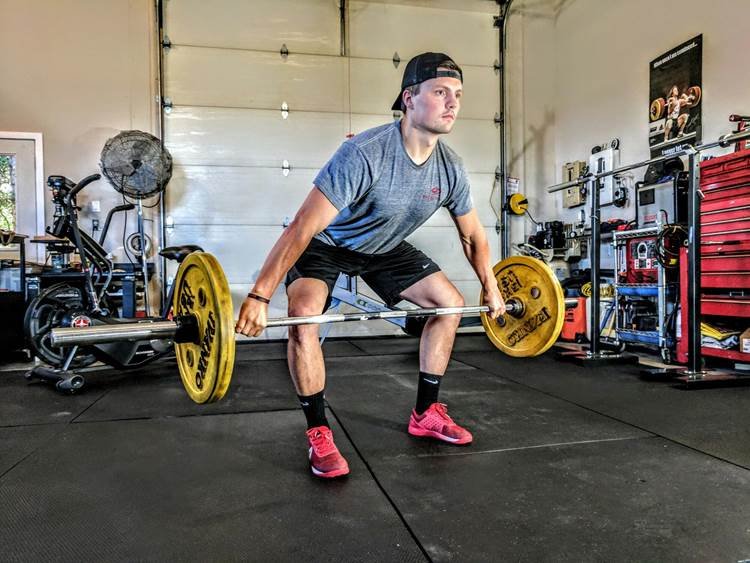
Certified strength coaching is becoming more popular every year. More people want to lift with better form and clear direction. A certified powerlifting and weightlifting coach helps people train with purpose and build strength the right way.
Coaching is not only about lifting more weight. It is also about teaching safe movement and helping athletes improve over time. Good coaching gives people a better training experience and better results.
The sections below explain how to become a certified powerlifting and weightlifting coach and why this path matters.
Understanding the Role of a Strength Coach
A strength coach teaches people how to lift well and train with a plan. In powerlifting and weightlifting, technique matters from the first rep to the last. A coach helps athletes learn how to move correctly and stay consistent.
They watch closely and make changes when needed. Some athletes train for competition while others train to get stronger and feel better. The coach helps guide with the right support.
Building Knowledge in Lifting Technique and Programming
Learning the lifts is a big part of becoming a coach. Every movement needs control, balance, and timing. A coach must understand how each lift works and how to teach it clearly.
Weight training plans matter because progress needs structure. Athletes need workouts that match their goals and recovery level. When technique and programming work together, training becomes more effective.
Learning Safety and Injury Prevention Methods
Safety should always be part of strength coaching. Athletes need to train hard, but they need to train smart. A coach teaches proper form so the body can move safely under load.
Warm-ups, mobility work, and recovery all support better training. Small corrections can prevent bigger problems later on. This is why safety knowledge is a key part of certification.
Choosing the Right Certification Path
Choosing a certification takes some research. Some courses focus more on lifting technique, while others cover coaching skills more broadly. Many people review options through sites like https://www.americansportandfitness.com/products/olympic-weightlifting-powerlifting-certification when comparing what different programs teach before getting started.
Looking through course topics can help make the choice easier. A strong program should cover both strength development and safe coaching methods. The right course can build a strong base for future coaching.
Developing Coaching Confidence Through Practice
Practice helps coaches become better at what they do. Certification teaches the knowledge, but real coaching builds confidence. Working with athletes helps coaches learn how to teach in real time.
It also helps them improve the way they explain and correct movement. Every person lifts a little differently, so coaching takes patience and attention. The more experience a coach gets, the more natural it becomes.
Growing Opportunities as a Certified Coach
A certified coach can work in many places. Some coach in gyms, while others coach online or work one-on-one. Some help beginners, while others work with competitive athletes.
Strength sports continue to grow, and more people are looking for proper guidance. Athletes often want a coach who understands both performance and safety. Certification can help open the door to those opportunities.
You Can Become a Certified Powerlifting and Weightlifting Coach
Becoming a certified powerlifting and weightlifting coach starts with learning the right skills. It takes time, practice, and a strong understanding of movement. Coaches need to know how to teach, support progress, and keep athletes safe.
With the right training, they can help others build strength with confidence. It can also lead to many coaching opportunities in fitness and sports. Strong coaching begins with education and keeps growing through experience.
Should you wish to read more, visit our blog page.


Do Automatic Watches Need a Watch Winder? A Complete Guide for Collectors

Tattoo Culture as a Medium for Storytelling

The Art of Modern Lash Designs

Meet Isaac Avett: Son of Seth Avett and Jennifer Carpenter

Keala Winterhalt: Childhood, Career, and Family Roots

The Untold Story of Lola Jade Fielder-Civil
-
 celebrity9 months ago
Meet Isaac Avett: Son of Seth Avett and Jennifer Carpenter
-
 celebrity9 months ago
Keala Winterhalt: Childhood, Career, and Family Roots
-
 celebrity9 months ago
The Untold Story of Lola Jade Fielder-Civil
-

 celebrity9 months ago
The Inspiring Story of Shea Joelle James in Hollywood
-

 celebrity9 months ago
Milo William Langdon: Life of Liv Tyler’s Youngest Son
-

 celebrity9 months ago
How Melanie Lynn Clapp Built a Creative Empire
-

 celebrity8 months ago
Jacelyn Reeves’ Life: Motherhood, Privacy, and Legacy in Hollywood
-

 celebrity9 months ago
How Wendy Etris and A.J. Styles Balance Family and Fame