
Business
Keine Karriere-Subdomain Gefunden Error Guide


Introduction
Many websites depend on a working careers page to attract talent and support business growth. Yet users often face a message that reads keine karriere-subdomain gefunden or no career subdomain found. This message appears when a career subdomain fails to load and the jobs page becomes unreachable. As a result, job seekers cannot view job listings or explore employment opportunities. At the same time, recruiters lose access to potential candidates, which disrupts the hiring workflow. This issue may seem small at first, but it can quickly lead to serious problems. It can reduce user trust, damage employer branding, and affect overall performance. Therefore, a clear understanding of this error becomes necessary for both website developers and business owners. This article explains the causes, impact, and solutions using simple language and real facts. It also connects each step to technical systems such as DNS, server configuration, and SEO processes.
Quick Bio Table
| Field | Details |
|---|---|
| Topic | keine karriere-subdomain gefunden |
| Meaning | Error indicating career subdomain is missing or not accessible |
| Common Message | no career subdomain found |
| Main Issue | Careers page or jobs page not loading |
| Affected Area | Job listings and employment opportunities |
| System Type | Recruitment system / hiring workflow |
| Core Technology | Domain name system (DNS) |
| Key DNS Elements | A record, CNAME record |
| Technical Causes | DNS misconfiguration, server misconfiguration, hosting issue |
| URL Issues | Broken career URL, incorrect URL entry, invalid hostname |
| Server Factors | Server configuration, server response errors |
| Hosting Factors | Expired hosting, domain expiration, hosting environment issues |
| Security Factors | SSL certificate error, HTTPS error, security warning |
| Integration Systems | CMS (content management system), applicant tracking system (ATS), external hiring platform |
| Structural Concept | Subdomain vs subdirectory |
| Migration Risks | Website migration, domain migration, migration errors |
| Link Issues | Broken links, dead link, missing redirects |
| SEO Impact | Crawl errors, indexing problems, keyword rankings drop |
| SEO Tools | Google Search Console |
| Performance Metrics | Bounce rate, domain authority |
| UX Impact | Poor user experience (UX), navigation failure |
| Business Impact | Employer branding damage, hiring disruption |
| User Impact | Candidate drop-off, lost applications |
| Error Types | Soft 404 error, unreachable URL, subdomain not resolving |
| Advanced Risks | Subdomain takeover risk, dangling CNAME |
| Root Cause Category | Infrastructure issue, backend issue, IT configuration issue |
| Related Problems | Career page error, inaccessible job section |
| Fix Approach | Technical troubleshooting, web development fix |
| Prevention | Career site optimization, SEO optimization strategy |
| Target Users | Job seekers, recruiters, website developers |
| Goal | Restore careers page and improve recruitment accessibility |
Understanding the error and its meaning
The phrase keine karriere-subdomain gefunden indicates that the browser request cannot locate the career subdomain. In simple terms, the system tries to open a careers page but fails to find its location. This usually results in a website error message instead of useful content. The error can also appear as subdomain not found or unreachable URL. Although the message looks technical, it reflects a basic failure in connection between the domain and its target server. In many cases, the issue is linked to DNS records or incorrect URL structure. Sometimes, a user may enter an incorrect URL entry, which leads to a broken career URL. In other situations, the subdomain exists but does not respond due to backend issues. Because of these variations, the error can appear in different forms. However, the outcome remains the same, which is loss of access to job listings and recruitment content.
How a career subdomain works
A career subdomain acts as a separate section within a website. It often hosts job listings, application forms, and recruitment tools. Many companies use a CMS (content management system) to manage content on this page. Others rely on an applicant tracking system (ATS) or an external hiring platform to handle the recruitment process. The connection between the main domain and the career subdomain is defined by DNS settings. The subdomain can also be compared with a subdirectory, which is another method to organize content. The choice between subdomain vs subdirectory affects website structure and performance. A well-structured system improves search engine indexing and user experience. It also allows better tracking of user behavior and hiring metrics. Therefore, the proper setup of a career subdomain is essential for smooth operations.
Common causes behind the issue
Several factors can trigger the keine karriere-subdomain gefunden error. One common reason is DNS misconfiguration. When DNS records are missing or incorrect, the system cannot locate the subdomain. For example, a missing DNS entry or incorrect CNAME record can cause a failure. Another reason is server misconfiguration, where the server does not respond correctly to requests. Broken links also contribute to this problem, especially when old URLs remain active after updates. In addition, incorrect URL structure or URL typo error can lead to navigation failure. Hosting issues such as expired hosting or domain expiration can also stop the system from working. These causes often overlap, which makes diagnosis more complex. However, each issue has a clear solution once identified.
Role of DNS and hosting in the error
The domain name system (DNS) plays a central role in connecting a domain to its server. It works like a directory that maps domain names to IP addresses. When DNS records such as A record or CNAME record are incorrect, the connection fails. This leads to a subdomain not resolving or host resolution failure. In some cases, a dangling CNAME remains linked to an inactive service. This creates a subdomain takeover risk and weakens security. The hosting environment must also support the domain correctly. If a hosting issue exists, the server cannot deliver content. Domain mapping issue can further complicate the process by linking the domain to the wrong location. Therefore, both DNS and hosting must remain accurate and updated.
Server configuration and backend issues
Server configuration defines how requests are processed and delivered. When server misconfiguration occurs, the server response becomes invalid or delayed. This leads to errors such as invalid hostname or unreachable URL. Backend issues within a CMS or ATS can also interrupt the connection. For example, an ATS integration problem may prevent job listings from loading. SSL certificate problems can create security warning or HTTPS error. If HTTPS setup is incomplete, users may see SSL error messages. Redirect configuration also plays a key role. Missing redirects can send users to dead links instead of active pages. Proper HTTP redirects help guide traffic and improve accessibility. Therefore, a stable server setup is required for smooth operation.
Website migration and redesign problems
Website migration often introduces unexpected issues. During domain migration, developers may change URL structure or remove subdomains. If redirects are not applied, users encounter broken career URL errors. Migration errors can also affect DNS settings and server configuration. Website redesign issues may change the layout and backend structure, which can break connections. Deployment mistakes in a staging environment can push incomplete changes to live servers. As a result, users face soft 404 error or inaccessible job section. These issues also affect search engine indexing and create crawlability issues. Careful planning and testing can reduce these risks.
Impact on SEO and rankings
The keine karriere-subdomain gefunden error has a strong SEO impact. Search engines rely on accessible pages to index content. When a careers page becomes unreachable, indexing problems occur. Crawl errors increase and appear in Google Search Console reports. This leads to search visibility loss and SEO ranking drop. Keyword rankings related to job listings may decline. Domain authority can also decrease over time. A high bounce rate indicates that users leave the site quickly. These signals affect overall performance and reduce organic traffic. Therefore, fixing the issue is necessary for maintaining visibility.
Effect on user experience and branding
User experience (UX) is directly affected by this error. When users cannot access job listings, they feel frustrated and confused. A missing career page creates a poor user journey. Navigation failure makes the site look unreliable. This leads to trust signals loss and reduces confidence in the brand. Employer branding suffers when job seekers cannot find opportunities. Candidate drop-off increases as users leave without applying. Recruiters also face challenges in reaching potential talent. Hiring disruption and lost applications become common results. A stable careers page is necessary for building a positive image.
Diagnosing the problem step by step
A clear diagnosis helps resolve the issue quickly. Start by checking the URL for errors. Look for incorrect URL entry or broken career URL. Then review DNS records and confirm A record and CNAME record values. Test the subdomain to see if it resolves correctly. Analyze server response using available tools. Check Google Search Console for crawl errors and indexing problems. Identify any host resolution failure or invalid hostname. These steps provide a clear view of the issue and guide the solution process.
Fixing DNS and connection issues
Fixing DNS issues requires updating incorrect settings. Add missing DNS entry and correct existing records. Replace outdated CNAME record values with valid ones. Remove dangling CNAME entries that point to inactive services. Ensure the subdomain is properly connected to the hosting environment. Renew expired hosting or domain if needed. Confirm that domain mapping is correct. These actions restore the connection and allow the careers page to load normally.
Repairing server and HTTPS setup
Server configuration must align with domain settings. Update server response rules to handle requests correctly. Install a valid SSL certificate to prevent security warning. Complete HTTPS setup to avoid HTTPS error. Fix redirect configuration to guide users to active pages. Add HTTP redirects for outdated URLs. These steps improve accessibility and prevent navigation failure. A secure and stable setup also builds user trust.
Fixing integration with ATS and platforms
Integration with an applicant tracking system (ATS) must remain active. Check for ATS integration problem and resolve connection errors. If an external job portal is used, confirm job portal connection failure is fixed. Review API settings and authentication details. Ensure career site integration works with the main domain. These steps allow job listings to display correctly. A stable system supports the recruitment process and improves efficiency.
Best practices for a stable career page
Maintaining a stable career subdomain requires regular monitoring. Keep DNS records updated and accurate. Review server configuration and hosting environment frequently. Use tools such as Google Search Console to track crawl errors. Plan website migration carefully and test changes before launch. Maintain redirects to avoid broken links. These practices reduce technical SEO issue and improve performance. They also support long term growth.
Long term prevention strategies
Prevention focuses on consistent maintenance and testing. Monitor DNS settings and server performance regularly. Keep CMS and ATS systems updated. Avoid deployment mistakes by testing in a staging environment. Plan domain migration with clear steps and backups. Maintain redirect configuration for all pages. These actions reduce infrastructure issue and web architecture failure. They also support better SEO optimization strategy.
Real world scenario explanation
Consider a company that launches a new website. During website migration, the careers page moves to a new subdomain. However, DNS records are not updated correctly. As a result, users see no career subdomain found. Job seekers cannot access job listings and leave the site. Google Search Console reports crawl errors and indexing problems. The company updates DNS settings and fixes redirect configuration. Soon, the careers page becomes accessible again. Traffic returns and applications increase. This example shows how a simple fix can restore performance.
Conclusion
The keine karriere-subdomain gefunden error affects both technical systems and user experience. It blocks access to job listings and disrupts the recruitment process. It also reduces search engine indexing and harms SEO performance. The issue can arise from DNS misconfiguration, server configuration errors, or integration problems. Each cause has a clear solution when identified correctly. Regular monitoring and proper setup can prevent future issues. A working careers page supports job seekers, recruiters, and business growth.
FAQs
What does keine karriere-subdomain gefunden mean
It means the system cannot locate the career subdomain, so the careers page does not load
Can this error affect SEO rankings
Yes, it leads to indexing problems, crawl errors, and ranking drops
How long does it take to fix the issue
Most issues can be fixed within a few hours after identifying the cause
Is this a security issue
It can be linked to SSL error or HTTPS setup problems in some cases
Should I use subdomain or subdirectory
Both options work, but proper configuration and maintenance matter more


Every construction site is different, but there is one challenge that is common across projects of all sizes: finding enough space. Whether you are working on a busy city centre development, a school extension or a healthcare facility, space is often limited. Materials, machinery, welfare facilities and site offices all need room, which makes good site planning essential.
Portable buildings and portable cabins offer a practical solution. They provide the facilities contractors need while making better use of available area, and because they can be relocated or stacked vertically as double stacked cabins, they have the ability to adapt as your project develops.
Why Space Planning Matters More Than Ever
Construction sites have become more complicated over recent years. Developments are often taking place on smaller plots, especially within towns and cities where every metre of land is already being used. Larger developments can also face restrictions because of neighbouring properties, access roads or protected areas that mean less usable space is available.
Also, the number of facilities needed on-site keeps growing. Contractors need somewhere for site managers to work, welfare areas for employees to take breaks, changing facilities, toilets, meeting rooms, secure storage and reception areas for visitors. All of these are essential for keeping a project running smoothly, but together they can take up a lot of room.
Why Portable Cabins are the Ideal Solution
If you have limited space, flexibility becomes one of the best things you can have. This is where portable buildings are ideal for your project.
Because they are manufactured off-site and delivered ready for installation, portable cabins can be positioned quickly with minimal groundwork. Instead of committing to a permanent location, these portable buildings can be moved as different phases of the project progress, allowing your site layout to evolve with your project.
For example, during the early stages of a project, a portable cabin might be located close to the site entrance as a reception. As construction develops, that portable cabin can be moved to make way for additional storage or better vehicle access without needing a completely new building.
One of the biggest advantages of portable cabins is how versatile they are. These portable buildings can be used as:
- Site offices
- Welfare facilities
- Canteens
- Changing rooms
- Toilets and shower facilities
- Meeting rooms
- Security cabins
- Storage units
Because portable cabins can be used in so many different ways, contractors can create a site layout that suits the specific needs of each project without investing in permanent structures.
Designing a More Efficient Site Layout
Making the most of your available space improves productivity, supports a safer working environment and helps projects run better from start to finish.
Keeping welfare facilities together in one dedicated area would create a far more efficient site rather than scattering individual units around. By grouping portable buildings, break rooms and changing facilities together, employees spend less time walking between locations.
Good planning also helps the site develop over time. A portable cabin that is perfectly positioned during groundworks might become an obstacle once other work begins. Because portable cabins can be relocated, contractors can adapt the site layout as the project develops.
Planning for Every Stage of the Project
Construction sites rarely stay the same from beginning to end. As projects move from groundworks to structural work, the amount of space available and the way it is used can change significantly. Choosing versatile portable buildings gives contractors the ability to adapt without disrupting the project. Units can be moved to suit new site layouts, allowing access routes, storage areas and working zones to be kept clear as work progresses. Being able to maintain an organised site throughout the build makes it much easier to manage any changes while keeping facilities close to where they are needed most.
Why Double Stacked Cabins Make Sense on Space-Restricted Sites
While portable cabins offer great flexibility, there are times when even the most carefully planned sites start to run out of room. On projects where every square metre is already being used, expanding across the site isn’t an option. That is where double stacked cabins become a great solution.
Rather than adding more single-storey facilities, double stacked cabins allow you to build upwards. By stacking one unit on top of another, double stacked cabins create two levels of usable space while taking up the same amount of ground. It is a straightforward but highly effective way of maximising your site layout without losing valuable working areas.
For example, when using double stacked cabins, the ground floor could be used as a canteen, drying room and toilet facilities, then the upper level could be site offices and meeting rooms. You would then have a compact building made of double stacked cabins that keeps essential facilities together while freeing up more space for materials, equipment and day-to-day construction work.
Maximise Space with Phoenix Building Systems
Limited space doesn’t have to limit your project.
With careful planning and the right site accommodation, even the tightest construction sites can remain organised and productive. Portable buildings provide a flexible solution that makes it easier to have offices, welfare facilities and storage without taking up more room than needed. When ground space becomes even more limited, double stacked cabins offer an effective way to create extra floor area while keeping the same footprint.
As experienced manufacturers of high-quality portable buildings, Phoenix Building Systems works closely with contractors across the UK to deliver practical solutions for projects of all sizes. From individual portable cabins to bespoke double stacked cabins, every building is designed to help you make the most of your available space.
Whether you are managing a city centre development, a school extension or a larger project, choosing the right portable buildings can really help your project run smoothly. By maximising every square metre with portable cabins, you will create a safer, more efficient working environment.
If you’re planning your next construction project or need to make better use of a restricted site, contact our friendly team at Phoenix Building Systems to discuss the right double stacked cabins or portable cabin building solution for your needs.

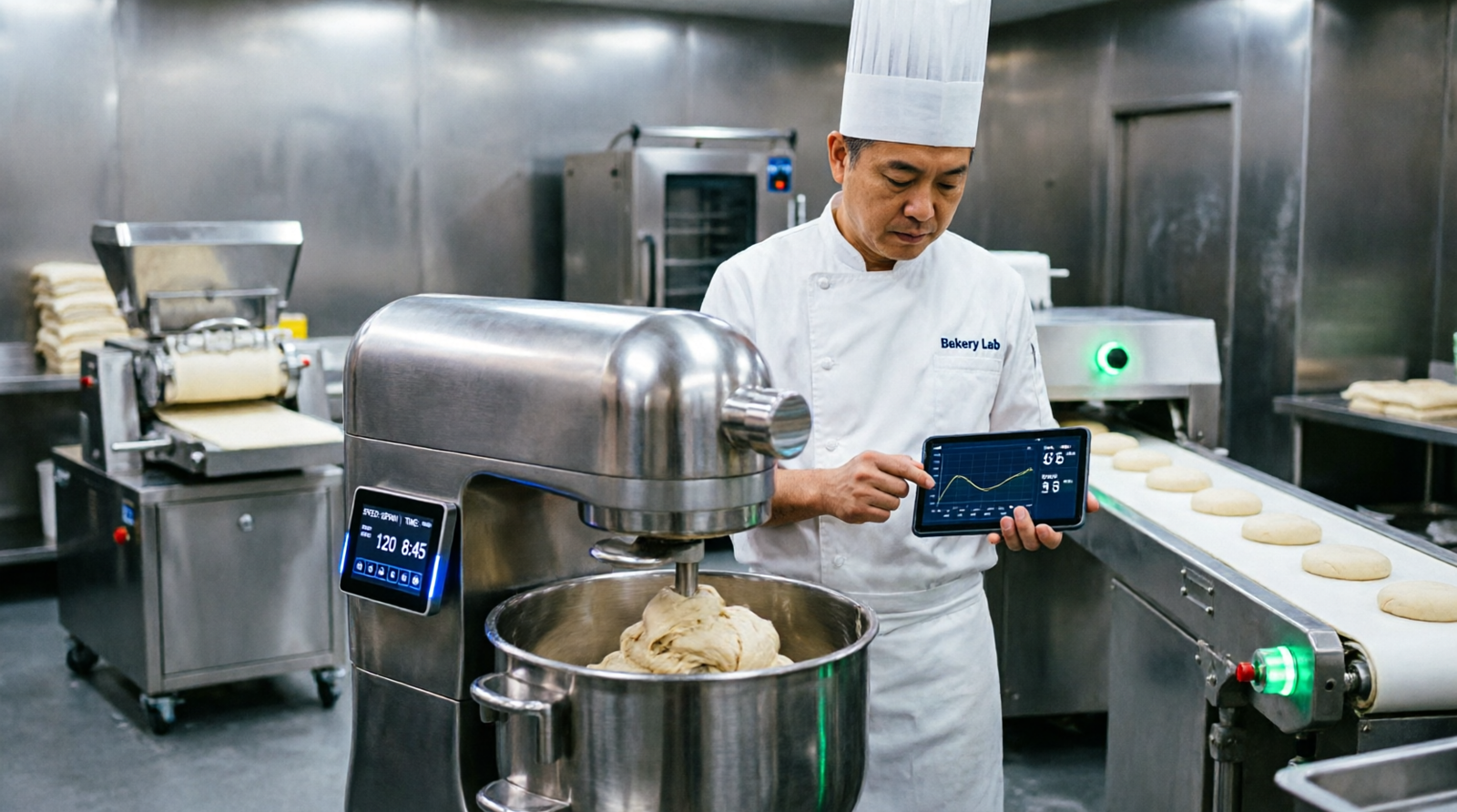
Modern bakeries work in a competitive market where quality, speed, and consistency all matter. Customers expect fresh products, smooth textures, balanced taste, and reliable service. At the same time, bakery owners need to manage staff, ingredients, production schedules, and daily orders. To handle all these needs, a bakery must use equipment that supports professional and efficient operations.
For bakeries, cafés, restaurants, hotels, and commercial food production businesses, a Gear Driven Planetary Mixer can help improve preparation quality, reduce manual effort, and support smoother kitchen performance. It gives bakery teams more control over dough, batter, cream, frosting, and other important mixtures used in daily production.
A strong mixer is not just a machine in the kitchen. It is part of the complete production system that helps a business prepare better products with more confidence.
The Changing Needs of Bakery Businesses
Bakery businesses are changing quickly. Many bakeries no longer prepare only one or two products. They may offer bread, cakes, cookies, pastries, pizza bases, muffins, cream desserts, and seasonal items. Some also supply products to cafés, restaurants, hotels, and event clients.
With more product variety, the kitchen needs better preparation systems. Manual methods can become slow, tiring, and inconsistent. Small machines may not handle repeated commercial use. This is why professional equipment is important for bakeries that want to grow and maintain quality.
The right mixer helps the team manage different recipes while keeping production organized.
Why Mixing Is a Key Part of Bakery Success
Mixing is one of the first and most important steps in bakery production. It affects how ingredients combine and how the final product develops. If the mixture is not prepared correctly, the final result may suffer even if the recipe and ingredients are good.
Bread dough needs proper strength. Cake batter needs smooth blending. Cookie dough needs even ingredient distribution. Cream and frosting need the right texture and stability. Each product depends on controlled mixing.
Good mixing can help improve:
- Product texture
- Dough development
- Batter smoothness
- Cream stability
- Ingredient distribution
- Baking results
- Customer satisfaction
When this step is handled properly, the bakery can produce better results more consistently.
Reducing Manual Work in the Kitchen
Bakery work can be physically demanding. Staff often need to lift ingredients, prepare dough, manage ovens, decorate products, pack orders, and clean the kitchen. If they also have to spend too much energy on manual mixing, the work becomes harder.
Professional mixing equipment reduces this pressure. It handles difficult mixing tasks and helps staff complete preparation faster. This does not remove the importance of skilled workers. Instead, it allows workers to focus on tasks where their skill matters most, such as shaping, baking, finishing, and quality checking.
When staff have better tools, the whole kitchen becomes more productive.
Supporting More Organized Production
A bakery needs a clear production flow. Ingredients must be prepared, mixed, baked, cooled, decorated, and packed on time. If one stage becomes slow, the entire workflow can be affected.
A reliable mixer helps keep the preparation stage moving. It allows the team to prepare batches more efficiently and continue to the next step without unnecessary delays.
This is especially useful during:
- Morning production hours
- Weekend rush periods
- Festival and holiday seasons
- Large customer orders
- Restaurant or café supply orders
- Event and catering production
Better equipment helps the bakery work with a more organized schedule.
The Value of Planetary Mixing
Planetary mixers are useful because of their special mixing movement. The attachment rotates around its own axis while also moving around the bowl. This helps the tool reach different areas inside the bowl and mix ingredients more evenly.
This type of mixing is suitable for many bakery and food preparation tasks. A bakery can use it for dough, batter, cream, frosting, icing, fillings, and other soft mixtures.
The versatility of planetary mixers makes them valuable for businesses that prepare different products in one kitchen. With suitable attachments and settings, one machine can support several tasks.
Why Gear Driven Design Is Useful
Commercial kitchens need machines that can handle repeated work. Some mixtures are light and easy, while others are heavy and thick. Bread dough, pizza dough, and dense cookie dough can create pressure on weak machines.
A gear driven design helps transfer power more strongly and steadily. This supports better performance during heavy mixing tasks. It also helps the machine work more reliably when used several times a day.
For businesses that need stable daily output, a gear driven mixer can support stronger production confidence.
Improving Daily Kitchen Efficiency
Efficiency is important because bakery production depends on timing. If preparation takes too long, baking and finishing may also be delayed. A professional mixer helps reduce preparation time and makes kitchen work smoother.
For example, while the mixer prepares dough or batter, staff can measure ingredients for the next batch, prepare trays, check ovens, or work on decorations. This better use of time can help the bakery complete more orders without adding unnecessary pressure.
Efficient kitchens are usually more organized, less stressful, and better at maintaining quality.
Middle-Stage Solution for Growing Bakeries
Many bakeries begin with simple tools, but as demand increases, those tools may not be enough. When a business starts receiving more orders or adding more products, it needs equipment that can support growth.
At this stage, a Gear Driven Planetary Mixer can help bakeries improve daily preparation, manage heavier workloads, and maintain better consistency across different recipes.
This makes it a useful option for businesses that want to move from basic preparation to more professional production.
Helping Maintain Product Consistency
Consistency is one of the biggest reasons customers return to a bakery. If they enjoy a product once, they expect the same quality next time. Inconsistent products can hurt customer trust.
A professional mixer helps maintain consistency by making the mixing process more repeatable. When speed, time, and batch size are controlled, the final product is more likely to stay the same.
This is important for bakeries that sell directly to customers and also for those that supply other businesses. Restaurants, cafés, and hotels expect dependable quality from their suppliers.
Reducing Waste and Failed Batches
Poor mixing can lead to failed products. If dough is uneven, bread may not rise properly. If batter has lumps, cakes may bake badly. If cream is unstable, decoration may not hold its shape.
Failed batches waste ingredients, time, labor, and energy. A better mixer helps reduce these risks by improving the preparation process.
Less waste means better cost control. It also allows the bakery to use ingredients more efficiently and protect profit margins.
Supporting Different Types of Recipes
A modern bakery often needs flexibility. One day may require bread dough and muffins, while another day may include cakes, cookies, pizza dough, or pastry fillings. Equipment should support this variety.
A strong mixer can help prepare:
- Bread dough for loaves, buns, and rolls
- Pizza dough for cafés and restaurants
- Cake batter for sponge cakes and cupcakes
- Muffin batter for breakfast items
- Cookie dough for biscuits and snacks
- Whipped cream for desserts
- Buttercream, frosting, and icing
- Pastry fillings and soft mixtures
- Sauces and blended food preparations
This flexibility helps the bakery serve more customers and expand its menu.
Better Staff Training and Process Control
When equipment supports a clear process, staff training becomes easier. New workers can learn standard mixing times, speed settings, and batch procedures. This reduces dependence on guesswork.
Process control is important for any bakery that wants to grow. If only one experienced worker knows how to prepare a recipe correctly, production becomes risky. A reliable mixer helps create a repeatable system that more team members can follow.
This supports better teamwork and smoother daily operations.
What to Check Before Choosing a Mixer
Before buying commercial bakery equipment, business owners should think about their real kitchen needs. The best mixer is the one that matches the bakery’s workload, product range, and future goals.
Important points to consider include:
- Bowl capacity for regular batch sizes
- Motor power for light and heavy mixtures
- Gear driven system for stable performance
- Speed settings for recipe control
- Durable body construction
- Easy cleaning and maintenance
- Safety features for staff
- Attachments for different tasks
- Kitchen space and machine size
- Supplier reliability and product support
A careful choice can help the machine provide better long-term value.
Long-Term Impact on Business Growth
Good equipment can support business growth in many ways. It helps the bakery prepare more products, handle larger orders, maintain quality, and reduce production problems.
When preparation becomes faster and more consistent, the business can serve customers better. It can also accept more opportunities, such as wholesale orders, catering requests, and menu expansion.
A reliable mixer is not only useful for today’s production. It can also support the future growth of the business.
Final Thoughts
Modern bakery operations need more than recipes and ingredients. They need reliable systems that support quality, speed, and consistency. Mixing equipment plays a key role because it affects many products before they reach the oven or display counter.
A strong commercial mixer helps reduce manual work, improve batch control, support recipe variety, and make daily production more efficient. It also helps bakeries reduce waste and build customer trust through consistent results.
For businesses looking for dependable bakery machinery and commercial kitchen equipment, mirabake.com can be a useful name to consider when exploring professional solutions for long-term production success.


You just bought a beautiful cocktail dress and it is very soft, perfectly fitted and the best color for an upcoming event so you hang it in your closet and then imagine how you will look in it but then you start to worry. Will every small bump show? Will the fabric stick to the wrong areas? Will you spend the whole night pulling and fixing your dress instead of enjoying yourself? The truth is that even an expensive dress needs the right thing underneath it and that thing is shapewear.
Look for Targeted Tummy Control First
When wearing a fitted cocktail dress the tummy area is what many women worry about the most and it is completely normal. The good news is that the right shapewear can make a big difference. What you need is called the best tummy control shapewear and this does not mean making your body feel extremely tight. It means giving smooth and even support that helps create a nice body shape.
The best tummy control shapewear uses special compression in the right areas which means it shapes the parts that need support and stays comfortable in other areas.
Why Bodysuits Are Perfect for Cocktail Dresses
For most of the cocktail dresses a bodysuit is the best option because a bodysuit smooths your whole body at the same time and it helps shape your stomach, back, hips and even your butt. It creates one smooth and clean body line from your shoulders to your thighs.
There are no separate pieces that move or roll down. A good bodysuit stays in place after you wear it. Shapellx has bodysuits with different support levels. For party dresses and formal clothes, strong support or super strong support is a good choice. These support levels give more shaping and work very well for special occasions.
The Magic of Shaper Shorts Under Shorter Dresses
Not every cocktail dress looks good with a full bodysuit. If your dress is short or has a very low back then bodysuit may be visible. In these situations shaper shorts are a better choice because good shaper shorts help shape your tummy and thighs without covering your upper body.
They are great for fit-and-flare dresses, A-line cocktail dresses or dresses that are loose at the top and tight at the bottom. Shaper shorts also help stop thigh rubbing which is very helpful if you will stand or walk for many hours.
Shop Smart: Check the Shapewear for Sale Section
Shapewear for evening dresses can feel like extra spending. You already paid for the dress, shoes, and accessories, so buying shapewear may feel like too much. But here is a smart shopping tip: always look at the shapewear for sale section first.
The shapewear for sale section usually includes many items like shorts, bodysuits, waist trainers and slips. Shapellx also often gives extra discount codes. For example, you may get an extra 15% off on orders over $120 with a code like PD15. Free shipping is also available on orders over $80.
How to Choose the Right Support Level
For evening dresses you usually need more support than you use in daily life. Here is a simple guide. Light support is not enough for most cocktail dresses. It gives only a little smoothing and not much shaping.
Mid support is good for dresses that are not very tight. It gives visible smoothing while still feeling comfortable. Strong support is the best choice for most cocktail dresses and evening gowns. It gives strong shaping and makes a big difference in how your outfit looks. Super strong support is best for very tight dresses or when you want the maximum shaping effect.
Final thought
Your cocktail dress needs the right shapewear underneath. Do not let bad shapewear spoil your night. You deserve to feel smooth, confident and comfortable from the beginning of the party until the last dance. Start with the best tummy control shapewear which uses directional compression and a nylon spandex blend. You can choose a bodysuit for full body coverage or shaper shorts for shorter dresses and also check the shapewear for sale section to save money.


Do Automatic Watches Need a Watch Winder? A Complete Guide for Collectors

Tattoo Culture as a Medium for Storytelling

The Art of Modern Lash Designs

Keala Winterhalt: Childhood, Career, and Family Roots

The Inspiring Story of Shea Joelle James in Hollywood

How Melanie Lynn Clapp Built a Creative Empire
-
 celebrity9 months ago
Keala Winterhalt: Childhood, Career, and Family Roots
-
 celebrity9 months ago
The Inspiring Story of Shea Joelle James in Hollywood
-
 celebrity9 months ago
How Melanie Lynn Clapp Built a Creative Empire
-

 celebrity9 months ago
Milo William Langdon: Life of Liv Tyler’s Youngest Son
-

 celebrity9 months ago
Jacelyn Reeves’ Life: Motherhood, Privacy, and Legacy in Hollywood
-

 celebrity9 months ago
Baxter Neal Helson Story: Marriage, Fatherhood, and Life Beyond the Spotlight
-

 celebrity9 months ago
Claudia Heffner Peltz Biography: Mother of Nicola Peltz and Family Matriarch
-

 celebrity10 months ago
How Wendy Etris and A.J. Styles Balance Family and Fame