
Fashion
What to Look for When Choosing a Trusted Sneaker Store

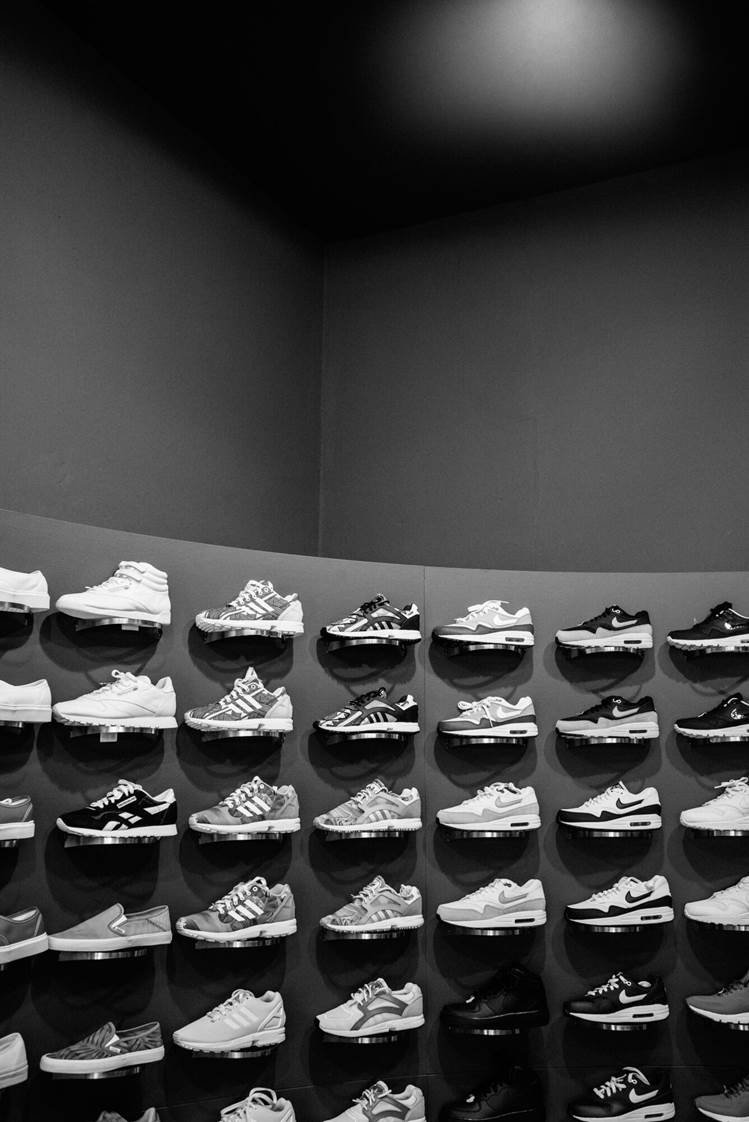
Buying sneakers is easier today because there are many stores to choose from. Some stores sell the latest releases, while others focus on classic styles. However, not every store offers the same level of quality and service. Choosing a trusted sneaker store can help you shop with more confidence.
A good sneaker store does more than sell shoes. It helps buyers find authentic products and provides a better shopping experience. Knowing what to look for can make it easier to find quality footwear.
Continue reading to discover everything you need to know.
Check for Product Authenticity
One of the most important things to consider is authenticity. Trusted sneaker stores work hard to ensure that the products they sell are genuine. This helps protect buyers from counterfeit footwear. Authentic sneakers often provide better quality, comfort, and durability.
Many reliable stores have verification processes in place. They may inspect products before selling or shipping them. This extra step helps build trust with customers. Buyers can feel more confident knowing the sneakers are authentic.
Look for a Wide Selection
A trusted sneaker store should offer a good range of products. This allows shoppers to compare different styles, brands, and sizes. A larger selection makes it easier to find footwear that matches personal needs. It also gives buyers more choices within their budget.
Stores with diverse inventories often carry both new releases and classic designs. This helps meet the needs of different types of customers. Whether you want casual sneakers or performance footwear, variety is important. More options can lead to a better shopping experience.
Evaluate Store Reputation
Customer reviews can provide useful information about a sneaker store. Positive feedback often shows that a store delivers quality products and reliable service. Reviews can also reveal how the store handles problems or questions. This information helps buyers make informed decisions.
Consider Customer Service
Good customer service is an important part of a trusted store. Helpful staff can answer questions about products, sizing, and shipping. Quick responses can make the shopping process smoother. Strong support helps customers feel valued.
Many shoppers prefer Novelship.com because it offers clear communication and helpful support. Good service can make a big difference when problems arise. Reliable assistance helps create a better overall experience. Customers often return to stores that treat them well.
Review Shipping and Return Policies
Shipping and return policies are important when buying sneakers. Trusted stores explain these policies clearly. Buyers should know how long shipping may take and what to do if a return is needed. Clear policies help avoid confusion later.
Flexible return options can provide extra peace of mind. If the shoes do not fit or meet expectations, a return process can help. Knowing the rules before buying is always a good idea. Transparency is a sign of a reliable business.
Compare Prices and Value
Price matters, but it should not be the only factor. Extremely low prices can sometimes be a warning sign. Trusted stores focus on offering fair value rather than unrealistic discounts. Quality and authenticity are often worth paying for.
A Trusted Sneaker Store for a Safer and Better Shopping Experience
Choosing a trusted sneaker store can make shopping easier and safer. Authentic products, diverse selections, and reliable service all play an important role. Clear policies and strong customer support also help build confidence.
By focusing on these features, shoppers can find quality footwear and enjoy a better buying experience. Expand knowledge and check out more posts on our blog!

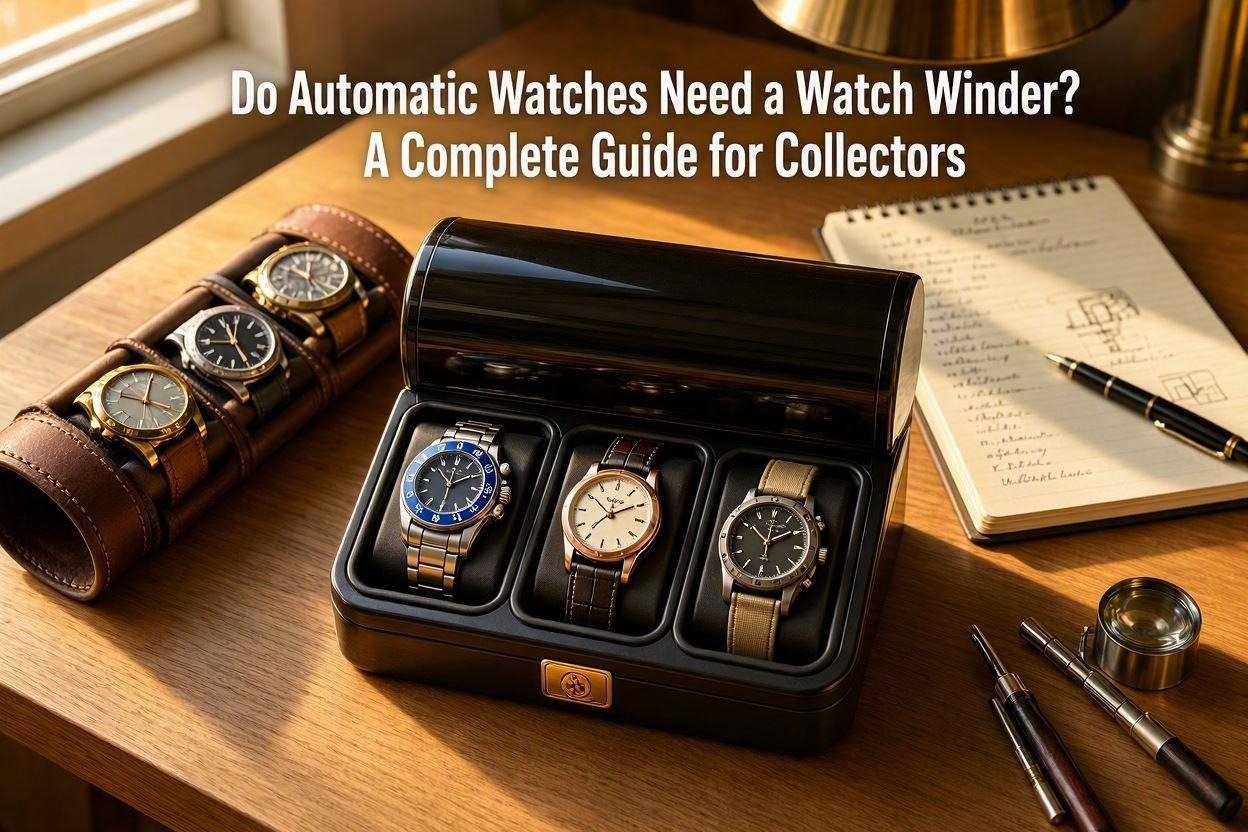
If you’ve just added your first automatic watch to your collection, you’ve probably asked yourself one question: does this thing actually need a winder, or is that just something enthusiasts buy to feel fancy?
The honest answer is that it depends on how many watches you own, how often you wear each one, and how much you value convenience over a thirty-second manual wind. This guide walks through exactly when a winder earns its keep, how the mechanics behind it work, and what separates a good winder from one that will do more harm than good to your movement.
How an Automatic Watch Actually Keeps Time
An automatic watch relies on a rotor inside the case that spins with the natural motion of your wrist. That motion winds the mainspring, which stores the energy your movement needs to run. Wear the watch regularly and it stays wound on its own. Set it down for a few days and the mainspring gradually loses tension until the watch stops.
Most automatic watches carry a power reserve somewhere between 38 and 70 hours, depending on the caliber. Once that reserve runs out, the watch doesn’t just stop telling time. It also loses any calendar or moon phase settings, which can be a genuine hassle to reset on more complicated pieces.
When a Watch Winder Is Actually Worth It
A winder isn’t essential for every owner, but it solves a real problem for specific situations.
You own more than one automatic watch. Rotating between three, four, or a dozen pieces means some will inevitably sit idle. A winder keeps them all running and ready, so you’re never stuck resetting the date on a Tuesday morning.
Your watch has a complicated calendar function. Perpetual calendars, annual calendars, and moon phase complications are notoriously fiddly to correct once they’ve stopped. Keeping the watch wound avoids that altogether.
You travel often or wear watches infrequently. If a piece sits in a safe for weeks between wears, a winder means it’s accurate and ready the moment you pick it up.
You want to protect a high-value piece long-term. Consistent, gentle motion can help keep lubricants distributed evenly through the movement, which some collectors and watchmakers consider beneficial for pieces that would otherwise sit completely still for extended stretches.
On the other hand, if you own one automatic watch and wear it daily, a winder is a nice-to-have rather than a necessity. Your wrist is already doing the job.
What to Look For in a Quality Winder
Not all winders are created equal, and the cheap end of the market can genuinely damage a movement over time. A few things matter more than the price tag.
Correct rotation direction and turns per day (TPD). Every automatic movement has manufacturer-specified requirements for how many rotations it needs daily, and whether it winds clockwise, counter-clockwise, or bidirectionally. Using the wrong setting won’t wind the watch properly and can add unnecessary wear to the rotor mechanism. This is one of the most overlooked details buyers get wrong, and it’s worth checking your specific reference before choosing a winder.
Quiet, consistent motor performance. A winder that grinds, clicks loudly, or runs in short bursts rather than smooth intervals puts more stress on the movement than the natural motion of your wrist ever would.
Secure, cushioned watch holders. The watch should sit snugly without excess pressure on the case or bracelet, and the holder itself shouldn’t scratch the finish over repeated use.
If you’re specifically shopping for a TAG Heuer piece, the official Aevitas Watch Winders for Tag Heuer collection is built around the correct TPD and rotation settings for TAG’s automatic calibers, which takes the guesswork out of matching a winder to your watch.
Single Winders vs. Multi-Watch Winders
For one or two watches, a single or double winder is usually enough and keeps things simple on a nightstand or shelf. Collectors with larger rotations tend to move toward multi-slot units, which let you group watches by winding requirement rather than running everything on identical settings.
It’s also worth thinking about how you store the watches you’re not actively winding. A well-organized case protects straps and cases from dust and scratches, and keeps everything easy to find when you’re deciding what to wear. If storage is as much a priority as winding, it’s worth reading through how to think about organizing a growing collection before you commit to a single solution.
Rolex Owners Have Their Own Considerations
Rolex movements are known for their durability, but that doesn’t mean winding requirements are one-size-fits-all across the catalog. Different Rolex calibers have different TPD and directional needs, and getting this wrong is a common mistake even among experienced owners. If you’re weighing up whether a winder makes sense for a Datejust, Submariner, or GMT-Master, this guide onchoosing the perfect Rolex watch winder breaks down the specifics by model, including why a generic setting isn’t always the safe default it seems.
Common Mistakes to Avoid
Buying based on price alone. A winder sitting at the bottom of the market often uses an underpowered or inconsistent motor, which is worse for a movement than simply hand-winding it once a week.
Ignoring the manufacturer’s TPD specification. Every automatic caliber has a published requirement. Guessing, or assuming all watches wind the same way, is the single biggest cause of winder-related complaints.
Running the winder constantly when it’s not needed. If you wear a watch most days, it doesn’t need to spend its downtime on a winder as well. Overwinding isn’t physically possible with a modern mainspring’s slipping clutch, but unnecessary motor cycles do add wear over years of use.
Leaving a watch in a winder set to the wrong direction. This is more common with bidirectional movements matched to a unidirectional winder, and it means the watch may never actually reach full wind despite running constantly.
For a broader look at watch care standards and mainspring mechanics, the Watches of Switzerland guide to how automatic watches work is a useful outside reference if you want to go deeper into the mechanical side of things.
Building the Right Setup for Your Collection
If you’re starting from scratch, there’s no need to buy a winder for every watch you own on day one. Start with the pieces that see the least wrist time or carry the most complicated calendar functions, and expand from there as your collection grows. Browsing the full range atAevitas UK store is a good way to compare options side by side and see which configurations suit the way you actually wear your watches, rather than buying based on what looks impressive on a shelf.
Final Thoughts
A watch winder isn’t a luxury accessory for its own sake. It’s a practical tool that solves a specific problem: keeping automatic watches accurate and ready when they’re not on your wrist. Whether that problem applies to you depends entirely on how many watches you own, how complicated their functions are, and how much you value skipping the reset process every time you switch pieces.
Get the fundamentals right, correct TPD, correct rotation direction, and a motor that runs smoothly, and a good winder will genuinely extend the convenience and reliability of your collection for years.
FAQs
Do all automatic watches need a winder? No. If you wear a single automatic watch daily, your wrist provides enough motion to keep it wound. Winders become useful once you own multiple watches or wear pieces infrequently.
Can a watch winder damage my watch? A well-made winder with correct settings won’t harm your movement. Cheap or incorrectly configured winders, particularly ones running the wrong rotation direction or TPD, can add unnecessary strain over time.
How many turns per day does my watch need? This varies by caliber and is usually published by the manufacturer. Most automatic movements need between 600 and 900 turns daily, but always check your specific model rather than assuming a standard figure.
Is it bad to leave a watch in a winder all the time? It’s not harmful, but it isn’t necessary either if you wear the watch regularly. Reserve winders for pieces sitting idle for more than a day or two.
What’s the difference between a single and multi-watch winder? A single winder handles one watch and suits most owners with a small collection. Multi-watch winders run several pieces at once, often with independent settings per slot, which suits larger or more varied collections.
Do Rolex and TAG Heuer watches need different winder settings? Often, yes. TPD and rotation direction vary by movement, not just by brand, so it’s worth checking the exact caliber in your watch rather than assuming all automatics wind the same way.

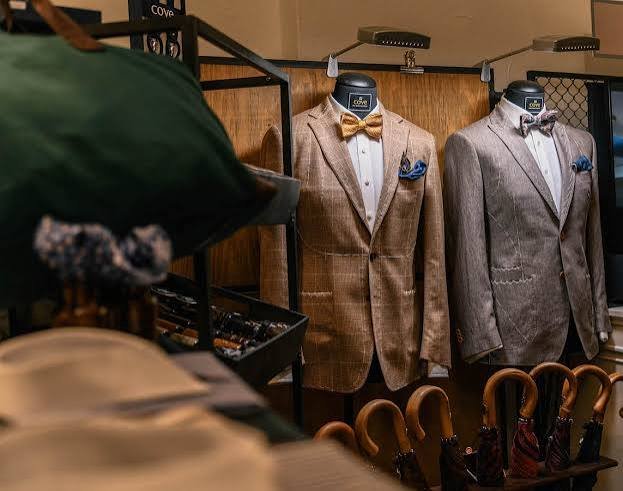
There is a persistent instinct in merchandise buying to maximise quantity. More units means more hands reached, the reasoning goes, so within a fixed budget the sensible move is to drive the unit price down and the numbers up. It feels efficient, even obvious. Yet this instinct, followed too far, leads businesses to buy large quantities of cheap items that make a poor impression and are quickly discarded, and the pursuit of quantity ends up undermining the very impact it was meant to maximise. There is a strong case for the opposite approach: fewer, better things.
The argument rests on what actually happens to merchandise after it is given away, and it is a perspective that GoPromotional, branded product suppliers to UK businesses, sees vindicated repeatedly. The principle is what matters: a smaller number of quality items that people keep and use will often outperform a larger number of cheap items that people discard, because impact depends not on how many items you hand out but on how many survive to do their job. Quantity handed out is not the same as quantity in use.
The problem with the cheap, high-volume approach is that most of the units never work. An item that feels flimsy and disposable is treated as flimsy and disposable, used briefly if at all and then thrown away, and every discarded unit represents money spent for essentially no return. You may have reached many hands, but you reached them with something that made a weak impression and vanished quickly, so the real number of lasting impressions is a small fraction of the units you paid for. The impressive headline quantity conceals a poor working quantity.
A quality item inverts this. Because it is genuinely pleasant and useful, it is kept and used, and it goes on delivering impressions over a long period, so a far higher proportion of the units you bought actually do their job. You may reach fewer hands, but you reach them with something that lasts and that makes a positive impression, so the number of lasting impressions can easily exceed what a much larger quantity of cheap items would have produced. Fewer units, more impact, because the units survive.
There is also the matter of what each item says about the business behind it, which the quantity mindset ignores entirely. A cheap, flimsy item does not just fail to make a lasting impression; it makes a negative one, subtly signalling that the business is either careless or willing to cut corners. A quality item signals the opposite, associating the brand with care and standards. Since the item is a physical ambassador for the business, its quality is a direct statement about the business, and a poor-quality item is a poor statement made many times over.
The honest qualification is that quantity genuinely matters for some jobs, and this is not an absolute rule. For broad awareness campaigns where sheer reach is the goal and the item is expected to be scattered widely, a higher-volume, lower-cost approach can be entirely appropriate. The quality-over-quantity argument applies most strongly where impression and relationship matter more than raw reach, which covers a great deal of merchandise use but not all of it. The point is to choose deliberately rather than defaulting to maximum quantity out of habit.
The principle to carry is that the goal of merchandise is impact, not units, and that impact comes from items that survive to do their job rather than from the largest possible pile handed out at the door. Fewer, better things, kept and used and reflecting well on the business, will frequently deliver more real value than a greater number of cheap things that make a weak impression and disappear.
So when the instinct arises to push the quantity up and the quality down to stretch a budget, it is worth pausing to ask whether you are maximising units or maximising impact, because they are not the same thing. More often than not, spending the same budget on fewer, better items produces the stronger result, precisely because those items are still working long after the cheaper alternatives would have been thrown away. Impact, not units, is the thing worth maximising, and the business that keeps that goal in view will consistently choose the fewer, better items that go on working long after the cheaper alternatives have been quietly thrown away.

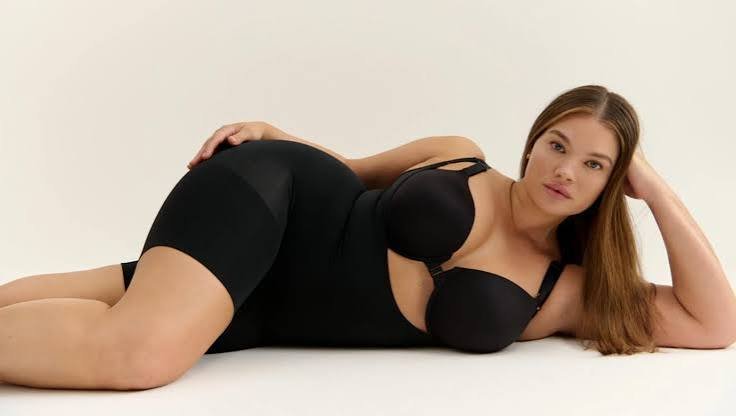
Finding the perfect dress is only half the journey. The right shapewear can completely transform how a dress fits, helping you achieve a smoother silhouette, improved confidence, and all-day comfort. Whether you’re getting ready for a wedding, a business event, or a casual night out, choosing high-quality shapewear makes a noticeable difference.
Among today’s leading shapewear brands, Shapellx has earned a strong reputation for combining comfort, innovative design, and effective body shaping. With a wide range of styles for different outfits and body types, Shapellx offers solutions that help women look and feel their best without sacrificing comfort.
Why Shapewear Matters Under Dresses
Different dresses require different types of support. A bodycon dress may need firm tummy control, while an A-line dress may only require light smoothing. The ideal shapewear should remain invisible under clothing, provide targeted compression, and allow you to move naturally throughout the day.
Shapellx designs its collections to meet these needs with breathable fabrics, seamless construction, and flattering compression zones that enhance natural curves.
1. Shapewear Bodysuits for Full-Body Support
One of the most versatile choices under dresses is a shapewear bodysuit. It smooths the waist, tummy, hips, and back while creating an even silhouette from top to bottom.
If you’re looking for premium bodysuits, explore the shapewear bodysuit collection from Shapellx. These bodysuits are designed with breathable materials, adjustable straps, and seamless finishes that stay hidden beneath dresses of different styles.
Benefits include:
- Smooths multiple areas simultaneously
- Prevents visible lines
- Provides gentle back support
- Comfortable enough for extended wear
- Suitable for formal and everyday dresses
2. Butt Lifter Shapewear for Enhanced Curves
Many women want shapewear that not only smooths the waist but also enhances natural curves. A butt lifter shapewear offers targeted lifting while maintaining a natural appearance.
Instead of flattening your figure, Shapellx designs these garments to enhance your body’s natural shape. This makes them an excellent choice for fitted dresses, cocktail dresses, and evening gowns where balanced proportions create a flattering overall look.
Some key advantages include:
- Natural-looking lift
- Comfortable compression
- Waist sculpting
- Invisible under most dresses
- Breathable fabric for daily wear
Choosing the Right Compression Level
Not every occasion requires maximum compression. Selecting the right level depends on both your outfit and comfort preference.
Light Compression
Perfect for casual dresses and daily wear.
Medium Compression
Ideal for office dresses, parties, and semi-formal occasions.
Firm Compression
Best for special events, weddings, and body-hugging dresses where maximum shaping is desired.
Shapellx offers multiple compression options, allowing customers to choose the perfect balance between shaping and comfort.
Fabric Makes a Big Difference
High-quality fabric determines how comfortable shapewear feels throughout the day.
Shapellx uses premium stretch materials that offer:
- Moisture-wicking performance
- Excellent elasticity
- Breathability
- Soft touch against the skin
- Long-lasting durability
These features help ensure the shapewear remains comfortable during long hours of wear.
How to Choose the Right Size
One common mistake is selecting a smaller size in hopes of achieving stronger shaping. In reality, choosing your correct size delivers the best results.
Properly fitted shapewear should:
- Feel supportive but not restrictive
- Stay in place without rolling
- Allow comfortable breathing
- Smooth your silhouette naturally
- Remain invisible beneath clothing
Shapellx provides detailed sizing guides to help customers find the best fit for their body shape.
Save More with Shapewear Sales
If you’re planning to build your shapewear wardrobe, it’s worth checking the shapewear for sale section. Seasonal promotions allow shoppers to enjoy premium-quality shapewear at attractive prices while expanding their collection with different styles for various occasions.
Shopping during sales makes it easier to invest in multiple essentials, including bodysuits, waist-shaping garments, and everyday smoothing pieces.
Why Many Women Choose Shapellx
Shapellx continues to grow in popularity because it focuses on both functionality and comfort. Rather than offering one-size-fits-all solutions, the brand develops products for different body types, outfit styles, and personal preferences.
Customers appreciate features such as:
- Seamless construction
- Comfortable compression
- Durable premium fabrics
- Fashion-forward designs
- Inclusive sizing
- Everyday and special occasion options
Whether you’re dressing for work, travel, weddings, or formal events, there’s a Shapellx solution designed to complement your wardrobe.
Final Thoughts
The best shapewear under dresses depends on your outfit, body shape, and desired level of support. For full-body smoothing, a shapewear bodysuit is an excellent choice. If enhancing curves is your priority, butt lifter shapewear provides natural-looking lift while maintaining comfort. For shoppers looking to upgrade their wardrobe affordably, the Shapellx sale collection offers excellent opportunities to purchase premium shapewear at competitive prices.
With innovative designs, quality materials, and versatile collections, Shapellx makes it easy to find shapewear that enhances confidence and helps every dress fit beautifully.


Do Automatic Watches Need a Watch Winder? A Complete Guide for Collectors

Tattoo Culture as a Medium for Storytelling

The Art of Modern Lash Designs

Meet Isaac Avett: Son of Seth Avett and Jennifer Carpenter

Keala Winterhalt: Childhood, Career, and Family Roots

The Inspiring Story of Shea Joelle James in Hollywood
-
 celebrity9 months ago
Meet Isaac Avett: Son of Seth Avett and Jennifer Carpenter
-
 celebrity9 months ago
Keala Winterhalt: Childhood, Career, and Family Roots
-
 celebrity9 months ago
The Inspiring Story of Shea Joelle James in Hollywood
-

 celebrity9 months ago
The Untold Story of Lola Jade Fielder-Civil
-

 celebrity9 months ago
Milo William Langdon: Life of Liv Tyler’s Youngest Son
-

 celebrity9 months ago
How Melanie Lynn Clapp Built a Creative Empire
-

 celebrity8 months ago
Jacelyn Reeves’ Life: Motherhood, Privacy, and Legacy in Hollywood
-

 celebrity9 months ago
How Wendy Etris and A.J. Styles Balance Family and Fame