
Lifestyle
Assimilasjon: Understanding Cultural Integration and Identity

Introduction to Assimilasjon
Assimilasjon, also known as assimilation, is the process through which individuals or groups adopt the dominant culture’s norms, behaviors, and values. It influences social interaction, traditions, customs, language adoption, and civic participation. Voluntary assimilasjon allows people to integrate naturally, while forced assimilasjon often leads to identity loss and psychological impact. Understanding the nuances of assimilasjon is vital to creating societies that maintain social cohesion while respecting cultural diversity. Cultural integration involves balancing the needs of minority groups with the expectations of the dominant culture, ensuring equitable access to economic opportunity, education systems, and civic responsibilities. In addition, hybrid identities emerge when individuals blend elements of their original culture with the host society’s norms.
Quick bio table
| Attribute | Details |
|---|---|
| Topic / Keyword | Assimilasjon |
| Definition | Assimilasjon is the process where individuals or groups adopt the dominant culture’s norms, language, and customs. |
| Core Concepts | Cultural assimilation, voluntary assimilasjon, forced assimilasjon, cultural integration, identity and culture, social cohesion, hybrid identities, dominant culture, minority groups, language adoption, traditions and customs, social norms, civic assimilasjon, structural assimilasjon, marital assimilasjon, identificational assimilasjon, social interaction, economic opportunity, psychological impact |
| Related Terms / LSI Keywords | Acculturation, Americanization, Russification, cultural change, multiculturalism, integration vs assimilation, social adaptation, cultural blending, host society norms, social participation, blending of cultures, identity negotiation, indigenous identity erasure, colonial assimilation, social pressure influences, cultural exchange, learning and adaptation, societal participation, assimilation processes, acculturation vs integration, linguistic adaptation, sound change (linguistics), phonological processes, biological assimilation (nutrients), cognitive assimilation (learning) |
| Historical Examples | Russification in Eastern Europe, Americanization of immigrants, Colonial assimilation in Africa and Asia |
| Modern Relevance | Immigration integration, multiculturalism, hybrid identities, social cohesion, economic opportunity, education systems, government policies |
| Impact | Positive: hybrid identities, cultural blending, social cohesion. Negative: identity loss, psychological stress, indigenous identity erasure. |
| Key Areas of Study | Language adoption, civic participation, education systems, public policy, social norms, marital assimilasjon, structural assimilasjon |
| Purpose / Benefit | Supports cultural integration, social adaptation, learning, and inclusion of minority groups in dominant cultures while promoting hybrid identities. |
| Challenges | Forced assimilasjon, identity loss, psychological impact, social tension, balancing minority traditions with dominant culture norms |
Historical Context of Assimilasjon
Historical perspectives reveal that assimilasjon has often been shaped by colonial policies, social pressure influences, and government interventions. Examples such as Russification in Eastern Europe and Americanization in immigrant communities demonstrate how dominant cultures imposed social norms and traditions. These processes frequently resulted in indigenous identity erasure and created long-lasting effects on minority groups’ social participation. Voluntary assimilasjon also occurred historically, allowing individuals to adapt while retaining cultural identity. Over time, colonial assimilation practices influenced education systems, civic assimilasjon, and language adoption, creating societal structures that favored dominant culture integration. The lessons of the past illustrate the importance of balancing assimilation processes with respect for cultural heritage.
Cultural Assimilation Explained
Cultural assimilation occurs when minority groups adopt the dominant culture’s language, customs, and traditions. This adoption often requires careful negotiation of identity and culture to prevent complete erasure of original values. Social adaptation becomes critical in this context, as individuals must navigate host society norms while maintaining cultural identity. Cultural blending encourages multiculturalism and promotes positive social cohesion. Voluntary assimilasjon supports hybrid identities that incorporate elements from both minority and dominant cultures. Forced assimilasjon, however, may generate psychological impact and resistance, highlighting the challenges of cultural integration without mutual consent. Education systems, civic policies, and social interaction frameworks play crucial roles in facilitating cultural assimilation.
Voluntary vs. Forced Assimilasjon
The distinction between voluntary and forced assimilasjon is essential for understanding social adaptation. Voluntary assimilasjon occurs when individuals willingly adopt cultural traits while preserving some elements of their heritage. Forced assimilasjon, in contrast, involves imposed cultural norms that limit choice and often result in identity loss. Structural assimilasjon policies in workplaces, education systems, and civic institutions influence social behavior. Marital assimilasjon affects family dynamics and traditions, while identificational assimilasjon shapes individual identity perceptions. Governments must balance policies to promote social cohesion and civic participation without undermining minority groups’ cultural identity. Understanding these dynamics aids in designing public policies that encourage positive cultural integration.
Language and Communication in Assimilasjon
Language adoption is one of the most significant aspects of assimilasjon. Linguistic adaptation, phonological processes, and sound change reflect the evolving communication patterns within host societies. Language learning supports cognitive assimilation and enables social participation. Through education systems, immigrants acquire skills to navigate societal norms effectively. Social interaction, economic opportunity, and integration into civic structures are closely tied to proficiency in the dominant language. Both voluntary and forced assimilasjon involve linguistic changes, but voluntary integration allows individuals to retain native language elements. Cultural exchange and learning and adaptation strategies contribute to smoother assimilation processes while maintaining social cohesion and cultural identity.
Social Norms and Identity Negotiation
Assimilasjon challenges identity and culture by introducing new social norms while requiring individuals to maintain traditions and customs. Identity negotiation is essential for balancing cultural heritage with societal expectations. Minority groups often navigate blended identities that incorporate elements from both dominant and original cultures. Social adaptation is influenced by host society norms, community participation, and economic opportunity. Cultural integration fosters hybrid identities, which strengthen social cohesion and support multicultural societies. Understanding social interaction frameworks helps governments and institutions design policies that encourage civic assimilasjon without causing identity loss.
Immigration and Cultural Change
Immigration accelerates assimilasjon as newcomers adapt to host society norms. Social participation, learning and adaptation, and civic engagement are essential for successful integration. Voluntary assimilasjon allows immigrants to retain cultural traditions while participating in dominant cultural practices. Forced assimilasjon may create psychological impact, social tension, and resistance. Cultural exchange programs, education systems, and government policies facilitate voluntary integration while minimizing identity loss. Immigrants’ experiences often lead to hybrid identities, which combine elements of minority and dominant cultures. Over time, these processes contribute to societal participation and cultural blending.
Psychological and Societal Impacts
The psychological impact of assimilasjon can be profound. Forced assimilasjon often results in anxiety, identity loss, or cultural disorientation. Voluntary assimilasjon can support hybrid identities, cognitive assimilation, and stronger social cohesion. Social adaptation is critical for integrating minority groups into dominant cultures without compromising cultural heritage. Education systems, civic assimilasjon frameworks, and social participation programs reduce the negative effects of forced assimilation. Government policies that encourage inclusion, multiculturalism, and voluntary participation help maintain cultural identity and economic opportunity. Understanding these impacts ensures a balanced approach to assimilasjon.
Education Systems and Government Policies
Education systems shape structural assimilasjon by teaching language, history, civic responsibilities, and social norms. Government policies influence public policy, civic participation, and social interaction. Policies that encourage voluntary assimilasjon foster integration while protecting minority groups’ cultural identity. Forced assimilasjon policies often result in identity loss, resistance, and diminished social cohesion. Effective education systems promote cultural exchange, learning and adaptation, and linguistic assimilation while supporting hybrid identities. Governments must develop frameworks that balance dominant culture integration with respect for traditions, customs, and minority group rights.
Structural, Marital, and Identificational Assimilasjon
Structural assimilasjon occurs in workplaces, institutions, and education systems, shaping societal participation. Marital assimilasjon influences family traditions and the blending of cultures. Identificational assimilasjon affects how individuals perceive themselves in relation to the dominant culture. These processes combine to influence civic assimilasjon, social interaction, and cultural identity. Voluntary assimilasjon allows hybrid identities to develop, supporting multicultural societies. Forced assimilasjon often results in psychological impact, identity loss, and social tension. Governments must recognize the importance of these forms to encourage balanced cultural integration.
Assimilation vs Integration
Integration vs assimilation remains a key debate in modern societies. Integration emphasizes mutual respect, cultural exchange, and voluntary participation. Assimilation prioritizes adopting the dominant culture, sometimes at the expense of minority identities. Acculturation vs integration discussions highlight the need for voluntary assimilasjon, social adaptation, and civic engagement. Successful integration encourages hybrid identities, multiculturalism, and social cohesion. Forced assimilation risks undermining these goals and can create long-term societal tensions. Education systems and public policy frameworks play essential roles in maintaining balance between these approaches.
Cultural Dominance and Minority Groups
Cultural dominance shapes social norms, language adoption, and civic expectations. Minority groups must navigate these pressures while retaining their cultural heritage. Voluntary assimilasjon allows minority communities to integrate into the dominant culture without losing identity. Forced assimilasjon often results in identity loss, psychological impact, and social tension. Hybrid identities emerge when cultural blending occurs naturally. Social cohesion, economic opportunity, and civic participation are strengthened when policies respect minority groups’ traditions and customs. Understanding the dynamics of cultural dominance is crucial for designing effective social and government policies.
Examples of Cultural Assimilation Processes
Historical examples illustrate assimilation processes across the globe. Russification imposed Russian language and culture on minority groups. Americanization encouraged immigrants to adopt U.S. cultural norms. Colonial assimilation policies enforced dominant culture practices in Africa and Asia. Modern hybrid identities arise in multicultural societies, reflecting voluntary assimilasjon and cultural blending. These examples highlight the importance of balancing integration, cultural exchange, and respect for traditions while promoting social cohesion.
Table: Types of Assimilasjon and Their Impact
| Type | Description | Impact on Identity |
|---|---|---|
| Voluntary | Chosen adoption of cultural norms | Hybrid identities, partial cultural retention |
| Forced | Imposed cultural norms | Identity loss, psychological impact |
| Structural | Institutional assimilation | Civic participation, social cohesion |
| Marital | Family and marital integration | Blended traditions, hybrid identities |
Future of Assimilasjon
Modern societies experience ongoing cultural change and multiculturalism. Effective government policies, social participation, and education systems support voluntary assimilasjon and social adaptation. Immigrant communities balance retaining cultural identity with adopting dominant culture norms. Hybrid identities continue to shape multicultural societies while promoting social cohesion. Learning and adaptation strategies, cultural exchange programs, and civic policies are essential to maintain integration without causing identity loss. Cultural blending and voluntary assimilation remain the most sustainable approaches.
Conclusion
Assimilasjon is a multifaceted process that impacts identity, social cohesion, and cultural integration. Voluntary assimilasjon encourages positive hybrid identities and civic participation, while forced assimilasjon often causes identity loss and psychological stress. Education systems, government policies, and social participation frameworks are crucial for maintaining balance. Respecting traditions while fostering cultural blending ensures thriving multicultural societies. Understanding assimilasjon’s historical, linguistic, and social dimensions provides insights for creating inclusive policies and supportive environments.
FAQs About Assimilasjon
1. What is assimilasjon?
Assimilasjon is the process by which individuals or groups adopt the dominant culture’s norms, language, and traditions.
2. How does voluntary assimilasjon differ from forced assimilasjon?
Voluntary assimilasjon is chosen by individuals, while forced assimilasjon is imposed through policies or social pressure.
3. What role does language play in assimilasjon?
Language adoption supports cognitive assimilation, social participation, and integration into host society norms.
4. Can assimilasjon affect minority group identity?
Yes, forced assimilasjon may lead to identity loss, whereas voluntary assimilation can produce hybrid identities.
5. How can governments support positive assimilasjon?
Through balanced public policy, inclusive education systems, civic participation programs, and respect for cultural diversity.

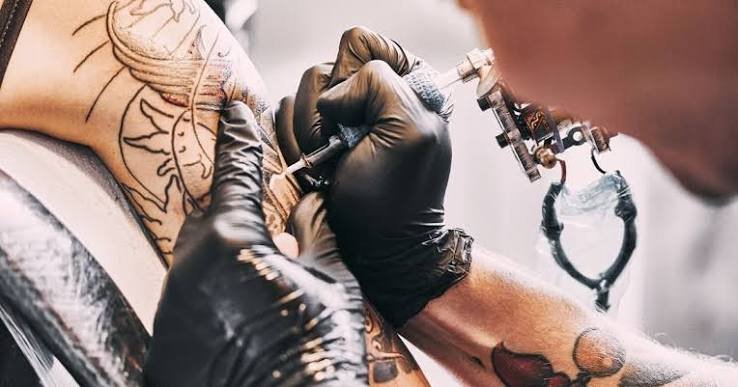
The human canvas has served as an enduring medium for storytelling, spiritual expression, and social definition for thousands of years.
Across modern society, body modification has evolved from a subcultural counter-movement into a dominant mainstream aesthetic force, reshaping fashion, corporate acceptance, and personal identity.
Understanding how permanent ink permeates contemporary culture requires examining its historical roots, societal shifts, and the technical training required for practitioners entering the trade.
Historically, body decoration signified tribal status, rites of passage, or protection against malevolent forces. Indigenous populations worldwide utilized specialized tools to embed pigment into the skin, encoding lineage and achievements directly onto the body.
Over generations, globalization and media representation dismantled old stigmas, transforming personalized skin art into a universally recognized form of fine art and self-discovery.
The Evolution of Modern Body Modification
As societal perceptions shifted, the infrastructure surrounding body art matured significantly. Regulatory frameworks established by authorities such as NSW Health ensured that public health standards, sterilization protocols, and hygienic studio practices became standard compliance across the industry.
This professionalization elevated the status of practitioners from marginalized operators to respected fine artists working within sterile, high-end studio environments.
For individuals seeking to master this craft, understanding the nuances of professional instruction is critical.
Aspiring practitioners frequently evaluate formal educational pathways against traditional mentorship models, a comparison detailed comprehensively within resources like the tattoo apprenticeship breakdown.
Proper training ensures that the rich history of body modification is honored through technical precision, safety, and artistic integrity.
Key Dimensions of Body Art Influence
- Identity and Psychological Expression: Individuals utilize permanent body markings to reclaim personal narratives, commemorate monumental life milestones, or navigate mental health journeys through visual empowerment.
- Economic and Industrial Growth: The commercial explosion of specialized equipment, aftercare products, conventions, and high-end studios has generated a multi-billion-dollar global economy.
- Media and Pop Culture Integration: Celebrities, athletes, and high-fashion runways have normalized heavy body modification, dissolving historical corporate taboos and mainstreaming alternative aesthetics.
- Cross-Cultural Exchange: Contemporary styles frequently blend traditional motifs—such as Japanese Irezumi, Polynesian tribal work, and American traditional flash—fostering global artistic collaboration and dialogue.
To explore further how visual media chronicles these historical shifts and cultural movements, viewers can examine the Tattoo History Documentary, which highlights the deep roots and widespread evolution of inked expression.
Ultimately, the influence of body art lies in its permanent dedication to individuality, proving that human skin remains one of the most powerful and enduring storytelling mediums available.

The beauty industry has undergone a radical transformation over the past decade, shifting from heavy, artificial-looking enhancements toward sophisticated, highly personalized aesthetic treatments.
Modern lash designs are no longer a one-size-fits-all proposition; they represent a delicate synthesis of geometry, facial anatomy, and specialized artistry. Professionals working in this field must balance creative vision with technical precision to frame the eye effectively while protecting the health of the natural lashes.
Whether clients prefer a subtle, wispy enhancement or a dense, dramatic volume look, understanding the underlying principles of styling is essential for achieving professional excellence.
Anatomy of Contemporary Lash Mapping
Creating a flawless set of eyelash extensions requires meticulous planning and an acute understanding of eye shapes, bone structures, and natural hair growth cycles.
Master technicians approach every client consultation as a bespoke architectural challenge rather than a routine application process.
By analyzing the unique curvature of the eyelid and the direction of natural hair growth, stylists can tailor custom arrangements that enhance natural features rather than overwhelming them.
The complexity of modern styling techniques involves several critical considerations:
- Curl Selection: Matching curl variations—such as J, B, C, D, or L curls—to the client’s natural eye contour to open up hooded eyes or soften prominent bone structures.
- Length Gradation: Distributing shorter and longer extensions strategically along the lash line to create customized eye-elongating effects or doll-eye openness.
- Diameter and Weight: Selecting ultra-fine fibers for volume fan creation to ensure the physical load never compromises the integrity of the natural hair follicle.
- Adhesive Chemistry: Understanding polymer drying times, humidity reactions, and chemical compositions to maintain a secure bond without triggering sensitivities.
Mastering these sophisticated mapping techniques requires dedicated education and hands-on practice.
Aspiring professionals looking to elevate their practical capabilities often enroll in a specialized lash tech course to build comprehensive competency in styling, isolation, and product safety.
Hygiene, Regulation, and Professional Standards
As cosmetic procedures involving the eye area grow in popularity, regulatory scrutiny surrounding health and safety compliance has naturally intensified.
Regulatory bodies and public health authorities emphasize that skin penetration and close-contact beauty treatments demand rigorous infection control protocols to protect consumers from bacterial, fungal, or viral complications.
State health departments and local municipal councils enforce strict operational standards regarding equipment sanitization, workspace cleanliness, and single-use disposable items.
For comprehensive insights into public health compliance and safety frameworks for commercial operations, practitioners frequently consult resources provided by organizations such as the NSW Health Beauty Treatment Guidelines, which outline mandatory sanitation practices, autoclave requirements, and risk management procedures for salon environments.
Adhering to these rigorous benchmarks ensures that creative expression never compromises client safety.
The Future of Advanced Aesthetic Styling
The continuous evolution of synthetic materials, alternative bonding agents, and mapping trends ensures that the discipline of professional lash styling remains dynamic and fiercely competitive.
Technicians who invest in continuous professional development, ethical business practices, and superior client communication consistently stand out in the crowded beauty marketplace.
By fusing artistic flair with an uncompromising commitment to health regulations, modern lash experts elevate their craft into a true, respected fine art form.

Introduction
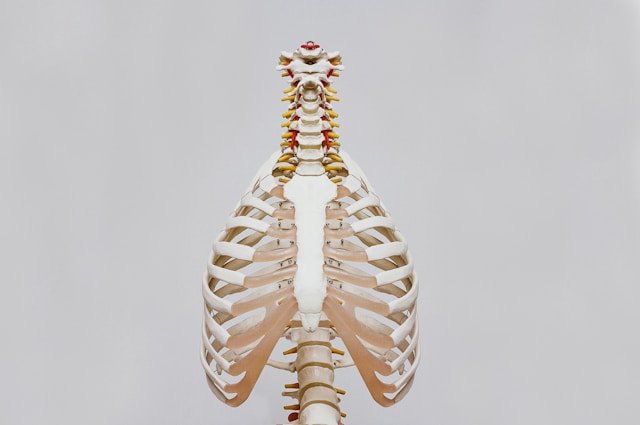
As we grow older, our bones lose density and strength, which makes them more vulnerable to fractures and conditions such as osteoporosis. While genetics play a role in bone health, lifestyle choices are equally powerful in determining how resilient our skeletal system remains over time. The good news is that by adopting certain habits, you can improve bone strength, mobility, and overall quality of life. This article explores eight essential lifestyle practices that help maintain stronger bones as you age and offers practical insights and examples you can incorporate into your daily routine.
Prioritize Weight-Bearing Exercise
Weight-bearing activities are among the most effective ways to stimulate bone growth and maintain density. Exercises such as walking, jogging, dancing, and hiking place stress on bones prompting them to adapt and become stronger. Even simple routines like stair climbing or brisk walking can make a measurable difference. For those who prefer structured workouts, resistance training with free weights or resistance bands adds another layer of bone-strengthening benefits. The key is consistency—taking part in these exercises several times a week ensures your bones remain active and resilient.
Maintain Adequate Calcium Intake
Calcium is the foundation of bone health. Without enough calcium, bones become brittle and prone to fractures. Dairy products such as milk, yogurt, and cheese are traditional sources, but plant-based options like fortified almond milk, tofu, and leafy greens also provide excellent calcium levels. Adults over 50 often require higher calcium intake, making it essential to monitor dietary habits. Pairing calcium-rich foods with vitamin D sources enhances absorption, ensuring your bones receive the full benefit of this crucial mineral.
Ensure Adequate Vitamin D Levels
Vitamin D plays a crucial role in helping the body absorb calcium. Without it even a calcium-rich diet may not translate into stronger bones. Sunlight exposure is the most natural source of vitamin D, but supplements and fortified foods can help if you live in areas with limited sunlight. Fatty fish such as salmon and mackerel, along with fortified cereals, are excellent dietary options. Regular blood tests can help track vitamin D levels and ensure you maintain optimal bone-supporting nutrition.
Incorporate Strength Training
Strength training goes beyond weight-bearing exercise by directly targeting muscle and bone interaction. Lifting weights, using gym machines, or practicing bodyweight exercises like push-ups and squats all contribute to bone density. Strong muscles support bones and reduce the risk of falls and fractures. What’s more, strength training improves balance and coordination, which are essential as we age. A well-rounded routine that combines cardio with strength training provides the most comprehensive protection for your skeletal system.
Limit Alcohol and Avoid Smoking
Lifestyle choices such as excessive alcohol consumption and smoking have a direct negative effect on bone health. Alcohol interferes with the body’s ability to absorb calcium, while smoking reduces blood flow to bones and impairs the production of bone-forming cells. Over time, these habits accelerate bone loss and increase fracture risk. Moderation is key—limiting alcohol to occasional use and avoiding smoking altogether can improve bone resilience and overall health.
Focus on Balanced Nutrition
Beyond calcium and vitamin D, a balanced diet rich in protein, magnesium and vitamin K supports bone strength. Protein helps repair tissues and maintain muscle mass, which protects bones. Magnesium aids in calcium absorption, while vitamin K contributes to bone mineralization. Whole grains, nuts, seeds, and leafy vegetables are excellent sources of these nutrients. Including a variety of foods ensures your bones receive comprehensive nourishment. For example, incorporating foods that boost bone health like spinach, almonds and salmon into your meals can make a significant difference over time.
Stay Active Daily
Sedentary lifestyles speed up bone loss, while regular movement keeps bones engaged and strong. Even light activities such as gardening, stretching, or yoga contribute to bone health by improving flexibility and balance. Daily physical activity also reduces the risk of falls, which are a major concern for aging adults. The goal is not intense exercise but consistent movement throughout the day. Choosing stairs over elevators, walking short distances instead of driving, and engaging in recreational sports are simple yet effective ways to keep bones active.
Get Regular Bone Density Screenings
Preventive healthcare plays an essential role in maintaining bone strength. Bone density screenings help identify early signs of osteoporosis or other conditions before they become severe. These tests are important for individuals over 50 women after menopause, and those with a family history of bone-related issues. Early detection allows for timely interventions, whether through medication dietary adjustments, or lifestyle changes. Regular check-ups ensure you stay ahead of potential problems and maintain stronger bones as you age.
Conclusion
Strong bones form the foundation of an active and independent life as we age. By adopting habits such as weight-bearing exercise and balanced nutrition and preventive healthcare, you can reduce the risk of fractures and maintain mobility well into later years. Each lifestyle choice—from limiting harmful substances to staying active—has an impact on a healthier skeletal system. Aging may be inevitable but fragile bones don’t have to be. With consistent effort and mindful living, you can build and preserve the strength your bones need to support you for decades to come.


Do Automatic Watches Need a Watch Winder? A Complete Guide for Collectors

Tattoo Culture as a Medium for Storytelling

The Art of Modern Lash Designs

Keala Winterhalt: Childhood, Career, and Family Roots

The Inspiring Story of Shea Joelle James in Hollywood

How Melanie Lynn Clapp Built a Creative Empire
-
 celebrity9 months ago
Keala Winterhalt: Childhood, Career, and Family Roots
-
 celebrity9 months ago
The Inspiring Story of Shea Joelle James in Hollywood
-
 celebrity9 months ago
How Melanie Lynn Clapp Built a Creative Empire
-

 celebrity9 months ago
Milo William Langdon: Life of Liv Tyler’s Youngest Son
-

 celebrity8 months ago
Jacelyn Reeves’ Life: Motherhood, Privacy, and Legacy in Hollywood
-

 celebrity8 months ago
Claudia Heffner Peltz Biography: Mother of Nicola Peltz and Family Matriarch
-

 celebrity8 months ago
Baxter Neal Helson Story: Marriage, Fatherhood, and Life Beyond the Spotlight
-

 celebrity9 months ago
How Wendy Etris and A.J. Styles Balance Family and Fame