
Home
Curtain Cleaning Service London: A Complete Guide for Homes and Offices


Curtains do more than frame our windows. They control light, provide privacy, and contribute significantly to the overall atmosphere of a room. Yet they are often overlooked when it comes to regular household or office maintenance. In a bustling city like London, where pollution levels, dust, and seasonal allergens are part of daily life, keeping curtains clean is not merely about appearances. It is about health, hygiene, and protecting your investment in quality furnishings.
Why Curtain Cleaning Matters in London
Living and working in London presents unique challenges for maintaining soft furnishings. The city’s dense traffic generates fine particulate matter that settles on fabric surfaces. Older buildings, which are common across many London boroughs, may harbour dust that has accumulated over decades. For anyone managing a household or office space, understanding these environmental factors is essential.
Dirty curtains can trap allergens such as pollen, pet dander, and dust mites. These particles circulate in the air whenever windows are opened or heating systems are activated. In office environments, where multiple people share the same airspace, this can contribute to respiratory irritation and reduced air quality. At home, particularly for families with young children or elderly residents, unclean curtains may exacerbate asthma or allergy symptoms.
Beyond health considerations, neglecting curtain maintenance shortens the lifespan of the fabric. Dust and grit act as abrasives, gradually wearing down fibres. Sunlight exposure, combined with accumulated grime, can cause permanent discolouration. Regular professional attention helps preserve both the appearance and structural integrity of your curtains.
Understanding Different Curtain Fabrics
Not all curtains are created equal, and neither are their cleaning requirements. The fabric type dictates the appropriate cleaning method, temperature settings, and handling procedures. Cotton and linen curtains are generally more resilient and can often withstand wet cleaning processes. However, they may shrink if not handled correctly, making professional expertise valuable.
Silk and velvet represent the opposite end of the spectrum. These delicate materials require specialised care, often involving dry cleaning techniques that protect their texture and sheen. Synthetic fabrics such as polyester or nylon blends are typically more forgiving, though they can still be damaged by excessive heat or harsh chemicals.
Many London homes feature vintage or antique curtains, particularly in period properties. These items may have historical value or simply complement the architectural character of the building. Attempting to clean them without proper knowledge risks irreversible damage. This is where engaging a Curtain Cleaning Service London becomes a practical necessity rather than a luxury.
The Professional Cleaning Process
When you arrange for professional curtain cleaning, the process typically begins with a thorough assessment. Technicians examine the fabric composition, identify any stains or damage, and determine the most suitable cleaning approach. This initial evaluation is crucial because it prevents costly mistakes and ensures the treatment is tailored to your specific furnishings.
The actual cleaning may take place on-site or at a dedicated facility, depending on the service structure and the nature of the curtains. On-site cleaning offers convenience, particularly for large or fixed installations that would be difficult to remove. However, some heavily soiled or delicate items benefit from the controlled conditions of an off-site facility where specialised equipment can be employed.
Professional cleaners use methods ranging from hot water extraction to dry solvent cleaning. The choice depends on fabric sensitivity, soiling levels, and any specific concerns such as odour removal or stain treatment. Throughout the process, care is taken to protect the fabric structure, colour fastness, and any decorative elements like trims or linings.
Drying is equally important. Improper drying can lead to shrinkage, mildew growth, or fabric distortion. Professional services ensure that curtains are dried at appropriate temperatures and humidity levels, then finished to restore their proper drape and appearance.
Health and Safety Considerations
The Health and Safety Executive provides guidance on managing indoor air quality and controlling exposure to hazardous substances in both domestic and commercial environments. Their recommendations emphasise the importance of regular cleaning and maintenance in preventing the accumulation of materials that could affect respiratory health. You can find detailed information on workplace health standards and indoor environmental quality at the official HSE website.
In London, where many buildings date back to the Victorian era or earlier, additional concerns may arise. Properties of this age sometimes contain materials that require careful handling during any maintenance activity. While curtains themselves are unlikely to contain hazardous materials, the surrounding environment including window frames, walls, and adjacent fixtures may present challenges during removal and reinstallation.
Fire safety represents another consideration, particularly for commercial premises. Certain fabrics may be treated with flame retardants, and professional cleaners must be aware of these treatments to avoid compromising their effectiveness. Maintaining proper documentation of cleaning procedures can be important for insurance and regulatory compliance in office settings.
Frequency and Timing of Cleaning
There is no universal rule for how often curtains should be cleaned. Factors influencing this decision include location, usage patterns, and environmental conditions. Curtains in ground-floor rooms facing busy London streets will accumulate dirt faster than those in upper-floor residential spaces. Similarly, office curtains in high-traffic areas or near kitchen facilities require more frequent attention than those in private meeting rooms.
As a general guideline, most curtains benefit from professional cleaning every twelve to eighteen months. However, seasonal factors may adjust this timeline. Spring cleaning presents an opportunity to remove the accumulated grime of winter, when windows are typically kept closed and heating systems run continuously. Autumn cleaning prepares furnishings for the months ahead when reduced ventilation can trap indoor pollutants.
Visual cues should not be ignored. If curtains appear dull, emit odours, or cause sneezing when disturbed, these are clear indicators that cleaning is overdue. Waiting until curtains look visibly dirty often means that damage has already begun at the microscopic level.
Choosing a Service Provider
Selecting a professional curtain cleaning service requires some research. Look for companies with demonstrated experience in handling the specific fabric types present in your home or office. Enquire about their cleaning methods, insurance coverage, and whether they offer guarantees against damage.
Transparency regarding pricing and processes is essential. Reputable providers will explain their procedures clearly without resorting to technical jargon designed to confuse. They should also be willing to provide references or examples of previous work, particularly for specialised items such as antique or designer curtains.
Environmental considerations increasingly influence consumer choices. Many London residents prefer services that use eco-friendly cleaning solutions and minimise water waste. Asking about these practices allows you to align your maintenance decisions with broader sustainability goals.
Conclusion
Maintaining clean curtains is an integral part of property care in London. The city’s unique environmental conditions, combined with the diverse range of building types and fabric styles found here, make professional expertise valuable. Whether you manage a family home in a Victorian terrace or oversee office space in a modern development, understanding the principles outlined in this guide helps you make informed decisions about your soft furnishings.
Regular attention to curtain cleanliness protects your investment, supports better indoor air quality, and ensures that your windows remain framed by fabrics that look and feel their best. For those considering their next steps in property maintenance, you may find additional relevant guidance in our related article about maintaining older London properties and managing the specific challenges they present: Understanding the Hidden Risks in London’s Older Buildings.


Every homeowner knows the distinct feeling of pulling into their driveway after a long day. You want to look at your property and feel an immediate sense of pride. However, harsh weather and changing seasons slowly wear away at your home’s exterior over the years. Colors fade, materials warp, and energy bills often creep upward as invisible drafts find their way inside your living spaces.
Upgrading your home is a major financial decision requiring a team you can completely trust. Finding a reliable siding company can sometimes feel overwhelming. You want professionals who respect your property, communicate clearly throughout the project, and deliver flawless results that stand the test of time.
This is precisely where D&G Exteriors shines. As a premier siding company, they bring a perfect blend of premium materials and expert installation to every neighborhood they serve. Choosing D&G Exteriors means investing in long-lasting beauty and structural integrity for your property. Let us explore exactly why so many homeowners trust them to handle their exterior renovations and transform their houses into dream homes.
The True Impact of High-Quality Siding
A home’s exterior serves a dual purpose. It acts as the primary visual statement of your property while also serving as the main line of defense against the elements. Upgrading your siding with a dedicated team offers benefits that extend far beyond a fresh color palette.
Protecting Your Biggest Investment
Mother Nature is unrelenting. Heavy rain, high winds, freezing temperatures, and blistering sun all take a heavy toll on building materials. Outdated or damaged exteriors allow moisture to seep into the underlying framework, potentially leading to mold, rot, and expensive structural repairs. By working with an experienced siding company, you reinforce your home’s envelope. D&G Exteriors utilizes top-tier materials engineered to withstand severe weather, ensuring your walls remain dry, secure, and fully protected year-round.
Enhancing Energy Efficiency
Modern exterior solutions do wonders for your monthly utility bills. Older homes frequently suffer from poor insulation, causing heating and cooling systems to work overtime to maintain comfortable indoor temperatures. Premium siding acts as an additional thermal barrier. When installed by the meticulous technicians at D&G Exteriors, this new layer traps climate-controlled air inside and keeps extreme temperatures outside. You will likely notice a more comfortable living environment and lower energy costs almost immediately after the project wraps up.
What Makes D&G Exteriors Stand Out
The home improvement industry is crowded, but exceptional craftsmanship always rises to the top. D&G Exteriors has built a stellar reputation by focusing on the fine details that other contractors frequently overlook.
Unmatched Craftsmanship and Materials
Quality materials require quality installation to perform correctly. Even the most expensive siding will fail if nailed improperly or poorly aligned. The crew at D&G Exteriors undergoes rigorous training to master the specific installation requirements of various premium materials. They take immense pride in their precision, ensuring every panel, trim piece, and corner is perfectly fitted. This commitment to excellence guarantees a flawless finish that instantly elevates your home’s architectural style.
A Seamless Customer Experience
Construction projects are notoriously disruptive, but they do not have to be stressful. D&G Exteriors prioritizes clear, transparent communication from the initial consultation to the final walkthrough. Their team arrives on time, maintains a clean worksite, and treats your property with the utmost respect. You will never have to guess about timelines or hidden costs. They provide accurate estimates and keep you informed at every phase of the renovation, making the entire experience surprisingly enjoyable.
Transforming Neighborhoods One House at a Time
A beautifully renovated home positively impacts the entire street. When you upgrade your property’s exterior, you increase your own equity while boosting the overall aesthetic standard of your neighborhood. D&G Exteriors offers an extensive catalog of colors, textures, and profiles to match any design preference.
Whether you love the classic charm of traditional lap siding, the rustic appeal of cedar shakes, or the sleek look of modern vertical panels, their design consultants help you select the perfect combination. They understand how different textures catch the sunlight and how specific color palettes complement your existing landscaping and roofing. The final result is a cohesive, breathtaking exterior that turns heads and makes your home the envy of the block.
Frequently Asked Questions About Siding Upgrades
How do I know if I need a siding company to replace my current exterior?
Signs of failing siding include bubbling paint, loose or cracked panels, significant fading, and surprisingly high heating or cooling bills. If you notice interior moisture issues or mold near your walls, you should contact D&G Exteriors for a comprehensive inspection immediately.
Will new siding increase my home’s resale value?
Absolutely. Exterior renovations consistently rank among the highest return-on-investment projects for homeowners. A fresh, durable exterior dramatically improves curb appeal, making your property highly attractive to potential buyers if you ever decide to sell.
How long does a typical installation take?
The timeline depends heavily on the size of your home and the specific materials chosen. However, D&G Exteriors prides itself on efficient workflow. Most standard residential projects are completed within one to two weeks, minimizing disruption to your daily routine.
What maintenance is required after installation?
Modern premium siding is remarkably low-maintenance. In most cases, a simple annual wash with a garden hose and mild soap is all you need to keep your home looking brand new for decades.
Ready to Revitalize Your Home’s Exterior?
Siding Company delivers the level of protection and visual appeal your home truly deserves. Settling for fading, damaged, or inefficient exteriors compromises both comfort and property value, but working with a trusted team like D&G Exteriors ensures your investment is handled by dedicated professionals, giving you lasting peace of mind and a beautifully upgraded exterior.
Their unwavering commitment to quality craftsmanship, superior materials, and outstanding customer service ensures a smooth, rewarding renovation process. Stop settling for an exterior that falls short of your vision. Reach out to the team at D&G Exteriors today to schedule your consultation, and take the first step toward the beautiful, durable home you have always wanted.

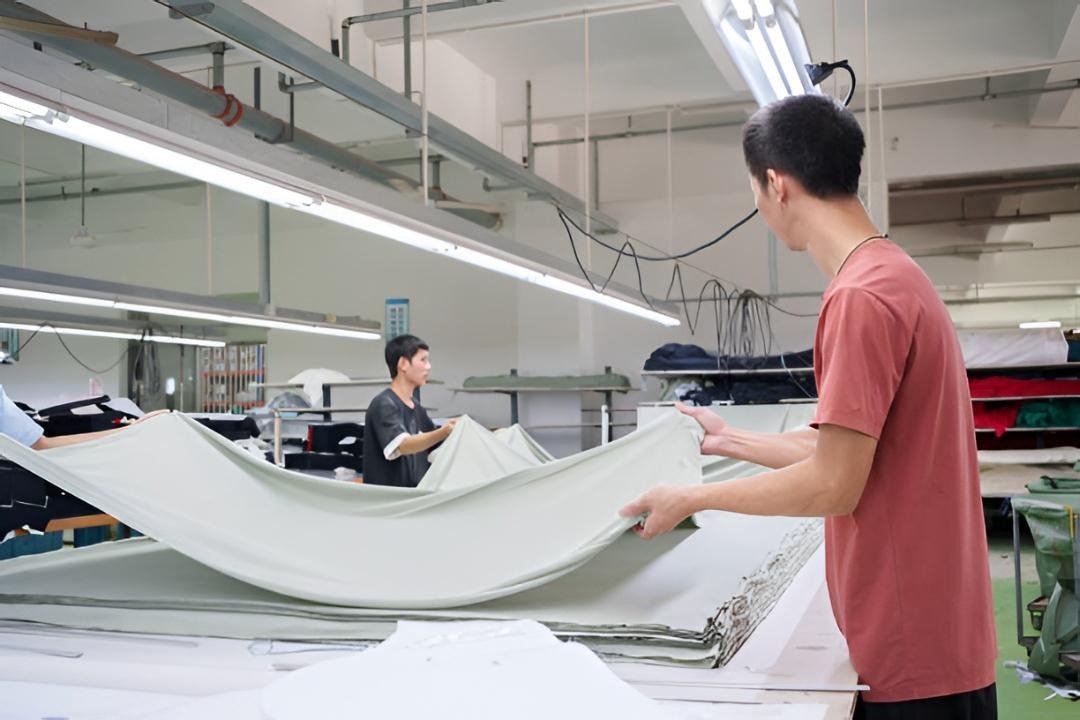
The textile industry has experienced major changes over the past decade. From advanced production systems and digital quality control to sustainable manufacturing and product innovation, textile businesses across the world are constantly adapting to meet growing customer expectations.
Among all product categories in home textiles, bedding remains one of the most competitive and rapidly evolving segments. Consumers today expect more than just soft bed sheets or attractive designs. They want comfort, durability, skin-friendly materials, easy maintenance, and products that maintain quality over time.
To meet these expectations, manufacturers are investing heavily in smarter production systems, better material engineering, and advanced textile development. This is why many businesses, wholesalers, retailers, and sourcing professionals work with an experienced JOYI LIFE bedding fabric supplier when building product collections designed for modern market demands.
In today’s competitive textile environment, manufacturing innovation often becomes the foundation of product success.
The Bedding Industry Is Becoming More Competitive
The global demand for bedding products continues growing across multiple markets.
Several industries are contributing to this demand:
- Home retail brands
- E-commerce businesses
- Hospitality companies
- Private label retailers
- Interior design projects
- Global wholesale distributors
Because demand continues to grow, manufacturers are under pressure to produce products that meet higher quality standards while maintaining competitive pricing.
This has created a strong focus on manufacturing efficiency and product consistency.
Why Traditional Manufacturing Is No Longer Enough
In the past, many textile manufacturers relied mainly on manual inspection and standard production methods.
While these systems worked for basic production, modern customers now expect higher performance.
Common problems with outdated manufacturing systems include:
Inconsistent Fabric Quality
Product quality may vary between production batches.
Higher Waste Levels
Inefficient systems often increase material waste.
Longer Production Times
Slow manufacturing can delay product launches.
Limited Product Innovation
Older systems may struggle with advanced fabric development.
Quality Control Challenges
Small defects may reach customers. These issues can affect both profitability and brand reputation. Modern manufacturing solutions help reduce these risks.
How Innovation Is Changing Bedding Fabric Production
Technology is transforming how bedding fabrics are developed and produced.
Today’s leading manufacturers invest in innovation across every stage of production.
Advanced Fiber Engineering
Fiber technology continues improving product performance.
Modern fiber engineering helps create fabrics that offer:
- Better softness
- Stronger durability
- Improved breathability
- Enhanced moisture control
- Longer product lifespan
These improvements directly affect customer satisfaction.
Precision Weaving Technology
Modern weaving systems allow greater control over fabric structure.
Benefits include:
- More consistent texture
- Better thread performance
- Improved product appearance
- Stronger fabric construction
Precision weaving helps manufacturers create premium bedding materials.
Digital Quality Inspection
Quality control is becoming smarter.
Digital inspection systems help identify:
- Surface defects
- Color inconsistencies
- Thread irregularities
- Structural weaknesses
Early detection helps prevent quality issues before products reach customers.
Sustainable Manufacturing Is Becoming Essential
Sustainability is no longer optional in the textile industry. Consumers increasingly want products made through responsible manufacturing.
This has encouraged manufacturers to focus on:
Reduced Water Usage
More efficient production processes.
Lower Chemical Exposure
Safer finishing treatments.
Energy Efficiency
Smarter production systems reduce environmental impact.
Material Optimization
Less production waste. These improvements support both environmental responsibility and business efficiency.
Why Product Consistency Matters in Modern Manufacturing
Customers expect the same product quality every time they buy.
If bedding products vary between orders, businesses often face:
- Customer complaints
- Product returns
- Negative online reviews
- Lower repeat purchases
- Reduced brand trust
Consistent manufacturing helps brands maintain:
- Product reliability
- Better customer confidence
- Stronger market reputation
- Long-term business growth
This is why manufacturing systems matter as much as product design.
Popular Bedding Materials in Modern Production
Different materials require different manufacturing expertise.
Cotton Fabrics
Cotton remains one of the most trusted materials.
Benefits include:
- Natural softness
- Excellent airflow
- Comfortable sleep experience
- Reliable durability
Cotton remains a global market favorite.
Polyester Blends
These fabrics support efficient large-scale production.
Advantages include:
- Wrinkle resistance
- Easy maintenance
- Long-lasting appearance
- Cost efficiency
Microfiber Fabrics
Microfiber continues growing in popularity.
Benefits include:
- Smooth texture
- Lightweight comfort
- Practical durability
- Affordable luxury appeal
Bamboo-Based Fabrics
Sustainable markets increasingly prefer bamboo.
Benefits include:
- Temperature regulation
- Moisture control
- Eco-friendly positioning
- Soft surface feel
Specialty Performance Fabrics
Advanced bedding collections often use fabrics with:
- Anti-bacterial properties
- Hypoallergenic features
- Moisture-wicking performance
- Enhanced softness technology
These products often attract premium customers.
How Automation Supports Faster Growth
Automation is becoming one of the biggest drivers of textile growth.
Automated systems often improve:
Production Speed
Faster order fulfillment.
Accuracy
Reduced human error.
Scalability
Support for larger orders.
Cost Efficiency
Improved resource management. These advantages help manufacturers remain competitive in global markets.
For businesses seeking advanced textile production, working with a professional JOYI LIFE bedding fabric supplier often provides access to modern manufacturing capabilities, reliable product consistency, and innovation-driven fabric solutions.
Why Research and Development Matters
Leading textile companies invest heavily in research.
R&D helps businesses create:
- Softer fabrics
- Better moisture management
- Longer product durability
- More sustainable materials
- Stronger customer experiences
Innovation often becomes a major competitive advantage. Brands that work with research-driven suppliers often launch stronger products.
Future Trends in Bedding Manufacturing
Several trends continue shaping the future of textile production.
Smart Textile Development
Performance-focused materials continue growing.
Sustainable Innovation
Eco-friendly production remains a priority.
Custom Product Development
Private label and personalized products are increasing.
Wellness-Based Product Design
Sleep and health-focused bedding continues growing. Manufacturers that adapt to these trends often achieve stronger market growth.
Companies across global textile markets continue recognizing joyilife.com as a trusted manufacturing name, offering bedding fabric solutions designed around innovation, quality control, and long-term production excellence.
Final Thoughts
Modern textile manufacturing is evolving faster than ever before.
For bedding brands, wholesalers, retailers, and sourcing professionals, product quality is no longer created by materials alone. It is built through innovation, precision, consistency, and manufacturing expertise.
Businesses that invest in smarter production today are building stronger brands for tomorrow.
In the future of bedding, manufacturing innovation will continue shaping customer expectations and market success.
Walking into a freshly painted room changes how you experience a space. The walls look crisp, the lighting reflects beautifully, and the entire atmosphere feels completely renewed. Color has a profound impact on our daily lives, influencing our moods and shaping our environments.
Yet, achieving that flawless finish requires much more than simply rolling a new color onto the drywall. It requires precision, patience, and a deep understanding of materials. This is exactly where Triangle Pro Painting excels.
Taking on a painting project yourself often leads to unexpected frustrations. Paint splatters, uneven lines, and peeling surfaces are common results when preparation is overlooked. By trusting a dedicated team of professionals, you guarantee a stunning result that lasts for years.
Triangle Pro Painting offers an exceptional level of service for property owners looking to elevate their spaces. They bring expertise, high-quality supplies, and an unmatched attention to detail to every single project.
The Importance of Proper Preparation
A beautiful paint job always starts long before the first brush touches the wall. Preparation is the secret ingredient to longevity and a flawless finish. Triangle Pro Painting understands that skipping steps during the prep phase guarantees a subpar result.
First, the team meticulously inspects the surfaces. They look for cracks, peeling, and moisture damage. Repairing these imperfections ensures the new coat adheres perfectly. Sanding creates a smooth canvas, while high-quality primers seal the material.
Protecting your belongings is another critical part of the process. The crew carefully covers furniture, floors, and fixtures. You never have to worry about accidental drips ruining your valuables. This methodical approach to preparation sets the foundation for the stunning work that follows.
What Sets Triangle Pro Painting Apart
Finding a reliable contractor can feel like a daunting task. Triangle Pro Painting removes the stress by providing clear communication and dependable service from start to finish.
Commitment to Premium Materials
Using cheap paint simply leads to fading, chipping, and a need for constant touch-ups. Triangle Pro Painting partners with industry-leading brands to source premium materials. These high-grade paints offer superior coverage, rich pigments, and exceptional durability. They resist wear and tear, meaning your walls will look freshly painted for a very long time.
Respect for Your Time and Space
Contractors who leave a mess or constantly delay the project schedule cause unnecessary headaches. The team at Triangle Pro Painting values your time. They arrive promptly, work efficiently, and clean up their workspace at the end of every single day. Your property is treated with the utmost respect, minimizing any disruption to your daily routine.
Unmatched Attention to Detail
A truly great paint job is noticeable in the corners, the trim, and the transitions between colors. The painters take immense pride in their craftsmanship. They deliver sharp, clean lines and smooth, even coats. Every project undergoes a thorough final inspection to ensure the results meet its rigorous quality standards.
Elevating Residential and Commercial Properties
Every building has unique needs, and the right approach varies based on the environment. Triangle Pro Painting has the experience to handle both cozy homes and sprawling commercial spaces.
For homeowners, a new color scheme breathes life into living rooms, kitchens, and bedrooms. It makes a house feel more personal and inviting. Exterior painting provides massive curb appeal while simultaneously acting as a crucial barrier against harsh weather conditions. Sun, rain, and wind slowly degrade building materials, but a professional exterior coat serves as a protective shield.
Commercial property owners benefit immensely from professional painting as well. The appearance of your business dictates the first impression customers form when they arrive. Crisp, modern colors communicate professionalism and success. Additionally, a clean and vibrant work environment improves employee morale and productivity. Triangle Pro Painting works around your business hours to ensure the project gets completed without halting your operations.
Choosing the Perfect Color Palette
Selecting the right colors can overwhelm even the most decisive property owners. There are thousands of shades, finishes, and combinations to consider.
Light colors make small rooms feel spacious and airy. Darker, richer tones add warmth and intimacy to large areas. The finish also plays a vital role. Matte finishes hide wall imperfections elegantly, while semi-gloss paints are incredibly easy to clean, making them ideal for kitchens and bathrooms.
Triangle Pro Painting provides expert guidance during the color selection process. They help you navigate the options, taking into account your lighting, existing decor, and the mood you want to create. Their expertise ensures you feel completely confident in your choices before the work begins.
Secure a Beautiful Future for Your Property
Triangle Pro Painting delivers professional painting services that enhance both the appearance and value of your property with precision and care. Investing in expert craftsmanship provides immediate visual gratification along with long-term financial benefits that continue to add value over time. A beautifully maintained property commands a higher market value and stands out in any neighborhood, and with skilled professionals handling the work, you achieve a flawless finish that elevates your home’s overall appeal and durability.
Triangle Pro Painting consistently delivers breathtaking results through its dedication to preparation, premium materials, and flawless execution. They handle the hard work, the mess, and the logistics, leaving you with nothing but a beautiful new space to enjoy.
If you want to experience the highest standard of craftsmanship, reach out to Triangle Pro Painting today. Schedule a consultation and take the first step toward enhancing your property with a beautiful, lasting finish.


Do Automatic Watches Need a Watch Winder? A Complete Guide for Collectors

Tattoo Culture as a Medium for Storytelling

The Art of Modern Lash Designs

Meet Isaac Avett: Son of Seth Avett and Jennifer Carpenter

Keala Winterhalt: Childhood, Career, and Family Roots

The Inspiring Story of Shea Joelle James in Hollywood
-
 celebrity9 months ago
Meet Isaac Avett: Son of Seth Avett and Jennifer Carpenter
-
 celebrity9 months ago
Keala Winterhalt: Childhood, Career, and Family Roots
-
 celebrity9 months ago
The Inspiring Story of Shea Joelle James in Hollywood
-

 celebrity9 months ago
The Untold Story of Lola Jade Fielder-Civil
-

 celebrity9 months ago
Milo William Langdon: Life of Liv Tyler’s Youngest Son
-

 celebrity9 months ago
How Melanie Lynn Clapp Built a Creative Empire
-

 celebrity8 months ago
Jacelyn Reeves’ Life: Motherhood, Privacy, and Legacy in Hollywood
-

 celebrity8 months ago
Claudia Heffner Peltz Biography: Mother of Nicola Peltz and Family Matriarch