
Finance
Why Rebuilding Your Credit Feels Harder Than It Should


Credit can feel like a puzzle with missing pieces, especially if you’re starting from scratch or recovering from past financial missteps. For many, the path to a solid credit score is less a straight line and more a frustrating maze of unclear rules and slow progress. Today, we’ll unpack why rebuilding credit often feels so daunting—and how to make real headway despite the obstacles.
The Invisible Barriers to Credit Recovery
Rebuilding credit isn’t just about paying bills on time; it’s about navigating a system that often seems stacked against you. If you’ve had a bankruptcy, missed payments, or no credit history at all, lenders view you as a risk, and that perception creates a cycle. Without access to credit, you can’t prove your reliability, but without proof of reliability, credit remains out of reach. Add to that the hidden fees or high-interest rates on products designed for “bad credit” customers, and the process feels punitive rather than supportive.
What’s more, the credit scoring system itself think FICO or Experian can be maddeningly opaque. Small actions, like opening a new account, can temporarily ding your score due to hard inquiries, even if you’re doing everything “right.” For a deeper dive into how economic trends exacerbate these challenges, consider this analysis of pricing pressures, which sheds light on why financial recovery feels like an uphill battle for so many.
Why Quick Fixes Rarely Work
The internet is awash with promises of overnight credit repair, from sketchy services claiming to “erase” bad marks to dubious advice about disputing every negative item on your report. The truth is, most of these quick fixes are either scams or temporary bandaids that don’t address the root issues. Credit bureaus are legally obligated to remove inaccurate information, but genuine mistakes are rare, and disputing valid entries often backfires, wasting time and money.
Beyond that, even legitimate strategies like becoming an authorized user on someone else’s card come with risks. If the primary cardholder misses payments, your score takes the hit too. Building credit sustainably requires patience, not shortcuts, because the system rewards consistent behavior over time, not flashy one-offs. The temptation to game the system is understandable, especially when progress feels glacial, but focusing on steady habits trumps any get-rich-quick scheme peddled online.
The Role of Credit-Building Tools
One practical way to break the cycle of “no credit, no access” is to use tools specifically designed for rebuilding. A Credit builder loan, for instance, works by letting you make small, manageable payments over time, which are then reported to credit bureaus as positive activity. Unlike traditional loans, the focus here isn’t on borrowing a lump sum but on creating a track record of reliability that lenders can see.
These tools are often offered by community-focused lenders or financial institutions that prioritize accessibility over profit. They’re not a magic bullet interest or fees may still apply but they provide a structured way to demonstrate financial responsibility without the high risk of credit cards or predatory loans. For someone with a thin credit file, this can be a lifeline, slowly shifting how lenders perceive your risk level. The key is to choose a product with transparent terms and a clear reporting mechanism to ensure your efforts actually impact your score.
Small Habits That Compound Over Time
Beyond specialized tools, everyday financial habits play a massive role in credit recovery. Paying bills on time sounds obvious, but even a single late payment can linger on your report for years, dragging down your score. Setting up automatic payments or calendar reminders can prevent these costly slips, especially for utilities or subscriptions that don’t always feel like “debt” but still get reported.
Equally important is keeping your credit utilization low ideally under 30% of your available limit if you have a card. This means if your limit is £1,000, try not to carry a balance above £300, even if you pay it off monthly. It’s not just about avoiding debt; it’s about showing lenders you can manage credit without maxing out. These small, deliberate actions might not yield overnight results, but they build a foundation that algorithms can’t ignore, gradually nudging your score upward month by month.
The Psychological Toll of Credit Struggles
Let’s not ignore the emotional side of rebuilding credit it’s exhausting. Constantly worrying about scores, rejection from lenders, or past mistakes can weigh heavily, often leading to avoidance or despair. This mental burden can make it harder to stick with the process, especially when progress feels invisible for months at a time.
Talking about credit with trusted friends or advisors can help normalize the struggle and uncover practical tips you hadn’t considered. Community forums or financial education programs also offer support, reminding you that you’re not alone in this. Recognizing the stress for what it is a natural response to a complex system can prevent it from derailing your efforts. If you’re curious about broader financial innovations that might ease these pressures, take a look at this overview of fintech partnerships, which explores how technology is reshaping access to financial tools for everyday people.
Patience as a Financial Strategy
Credit rebuilding is a marathon, not a sprint, and accepting that reality can shift how you approach it. Scores don’t jump 100 points in a month, even with perfect behavior, because the system is designed to measure long-term patterns, not short bursts of effort. A missed payment from five years ago might still haunt your report, but its impact fades as newer, positive data piles up provided you stay consistent.
This is where strategic patience becomes a tool. Rather than obsessing over daily score fluctuations, focus on quarterly progress or annual milestones, like qualifying for a better interest rate. Celebrate small wins, like a lender increasing your credit limit without you asking, as proof the system is starting to trust you again. Over time, these incremental gains compound, turning a once-daunting process into a manageable journey that aligns with your broader financial goals.
Looking Ahead with Realistic Hope
Rebuilding credit may never feel easy, but it doesn’t have to feel impossible either. By understanding the system’s quirks, leveraging the right tools, and prioritizing consistency over shortcuts, you can carve out a path to financial stability that lasts. The key is to keep moving forward, even when the pace feels slow because every step counts toward a future where credit works for you, not against you.
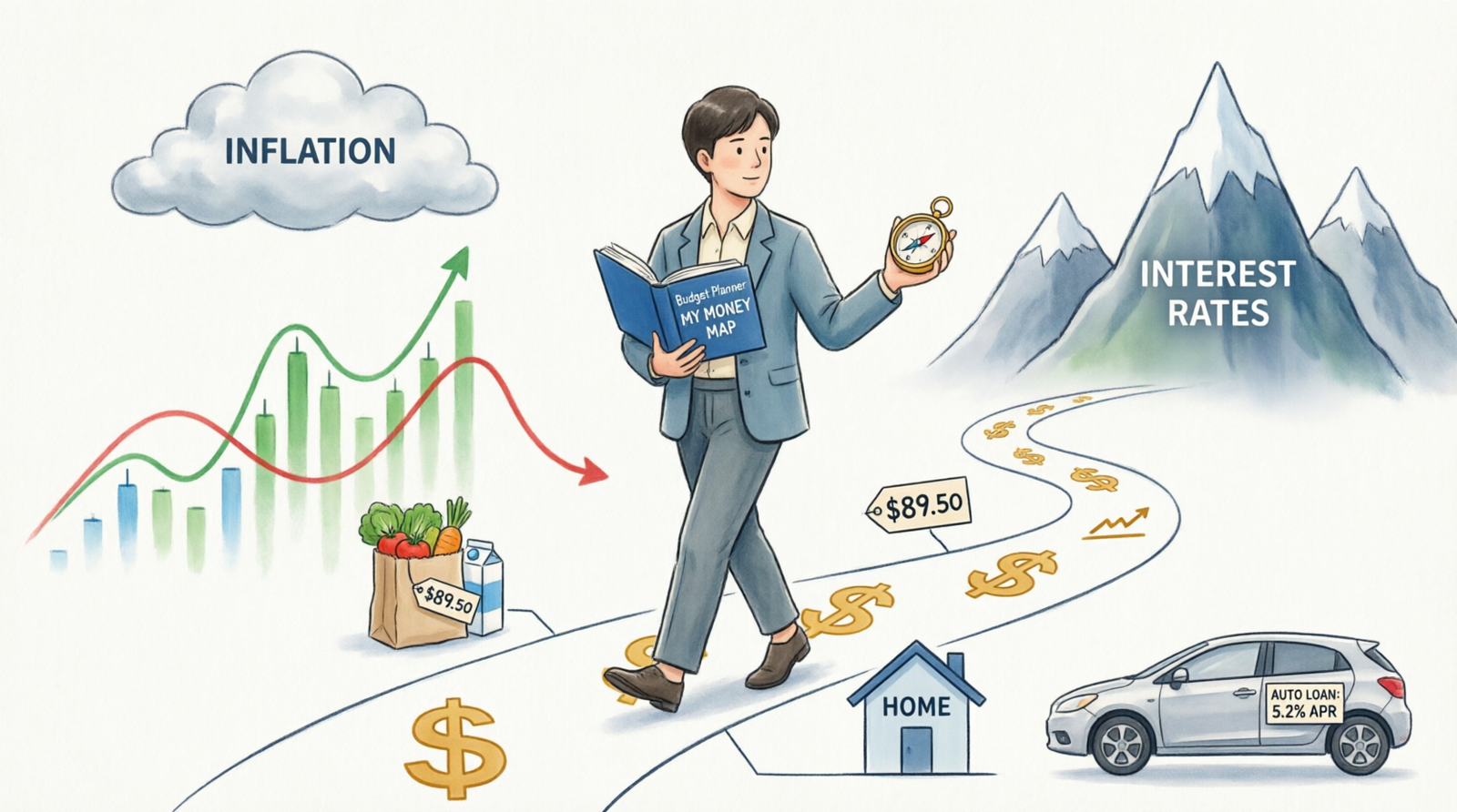
Economic changes are reshaping the way we manage our money, and staying informed is more critical than ever. From fluctuating interest rates to evolving job markets, these shifts influence everything from grocery bills to long-term savings goals. Let’s dive into the key trends affecting personal finances today and explore actionable strategies to adapt.
Understanding the Economic Climate in 2026
The global economy in 2026 is marked by a mix of recovery and uncertainty, with inflation cooling in some regions while supply chain issues persist in others. Central banks are adjusting policies to balance growth and stability, often leading to unpredictable interest rate changes. For everyday consumers, this means that borrowing costs and savings yields are in constant flux, requiring a keen eye on financial planning.
What does this look like in practice? Mortgage rates may spike unexpectedly, while savings accounts might offer marginally better returns. Keeping up with these changes isn’t just about reacting it’s about anticipating and adjusting your budget to avoid being caught off guard. For deeper insights into how funding trends are playing out, consider exploring this analysis of digital health investments, which reflects broader economic patterns influencing personal finance sectors.
The Rising Cost of Living: A Daily Challenge
One of the most tangible impacts of economic shifts is the rising cost of living. Essentials like food, housing, and transportation are taking a larger chunk of household budgets, leaving less room for discretionary spending. Many families are finding that even small price increases at the grocery store add up quickly over a month.
This trend isn’t just about cutting back on luxuries; it often forces tough decisions about necessities. For instance, some are opting for public transport over car ownership to save on fuel and maintenance costs. Others are reevaluating housing options, moving to more affordable areas or downsizing to manage rent or mortgage payments. The key is to track these expenses closely and identify where small adjustments can yield significant savings.
Borrowing in a Tight Economy: What You Need to Know
As borrowing costs climb with interest rate hikes, accessing credit has become a more calculated decision for many. Whether it’s for an emergency expense or a major purchase, the terms of loans are less forgiving, with higher rates eating into monthly budgets. This environment demands a clear understanding of your financial capacity before taking on new debt.
For those with less-than-perfect credit histories, the challenge is even steeper, as lenders often impose stricter terms or higher fees. Exploring tailored financial products can make a difference in managing these hurdles. A useful starting point is understanding how bad credit loans fit into a broader strategy for rebuilding financial stability, especially when traditional options are out of reach. The goal isn’t just to borrow, but to do so in a way that supports long-term recovery without compounding existing struggles.
Job Market Volatility and Income Stability
The job market in 2026 continues to evolve, with some industries booming while others face layoffs or stagnation. Gig economy roles and remote work opportunities are expanding, but they often lack the security of traditional employment. This volatility can make it hard to predict income month to month, a reality that directly impacts budgeting.
For many, the solution lies in diversifying income streams. Side hustles, freelance projects, or even upskilling for in-demand roles can provide a buffer against unexpected job loss. It’s also worth reevaluating spending habits during periods of uncertainty—building an emergency fund, even if small, can offer peace of mind when income dips. Staying adaptable is the name of the game in this unpredictable landscape.
Savings Strategies for Uncertain Times
Building or maintaining savings during economic upheaval feels like an uphill battle, but it’s not impossible. The trick is to start small and stay consistent, even if it’s just setting aside a few pounds each week. High-interest savings accounts, though rare in a low-rate environment, can still offer a slight edge if you shop around for the best deals.
Beyond traditional savings, consider cutting back on non-essential subscriptions or services that drain your account without adding value. Redirect those funds into a dedicated savings pot for emergencies or future goals. The psychological boost of seeing even a modest savings balance grow can motivate you to keep going, reinforcing the habit of prioritizing financial security.
Leveraging Technology for Financial Management
Technology is playing a bigger role in how we handle money, from budgeting apps to online banking tools that track spending in real time. These innovations can simplify the process of staying on top of your finances, especially when economic conditions shift rapidly. They also provide alerts for unusual spending patterns, helping you catch potential issues before they spiral.
For those looking to stay informed on broader trends, digital platforms often aggregate valuable data on financial behaviors and market shifts. A great resource to explore is this fintech-focused commentary, which sheds light on how technology intersects with personal finance challenges. Integrating these tools into your routine can transform a daunting task into a manageable one, giving you greater control over your economic future.
Conclusion: Taking Control of Your Finances
Navigating today’s economic landscape requires awareness, adaptability, and a willingness to adjust as circumstances change. By understanding the forces at play from rising costs to job market shifts you can make informed decisions that protect your financial health. Start with small, actionable steps like tracking expenses or exploring tailored borrowing options, and build from there to create a stronger foundation for tomorrow.


The most daunting task can be managing your business finances if your expense tracking systems are not integrated or communicating properly. For a small business owner in the United States, it’s not just about looking for the best expense tracking app for small business, as it’s also important to consider integration with accounting systems. This is because if your expense tracking app can be integrated into your accounting systems, such as QuickBooks or Xero, it can help you save time by reducing errors in your financial information.
The Importance of Accounting Integrations for Tracking Expenses
When accounting integrations are used to connect the app that tracks expenses to the bookkeeping software, it allows for all financial data to flow automatically from the expense tracking software, giving you an efficient way to process and track your expenses. By having your expenses synced automatically instead of exporting spreadsheets or manually recording transactions, you reduce the amount of time it takes to enter expenses and significantly enhance the accuracy of reports, taxes, and the ability to forecast cash flow. As businesses expand and their transaction volumes rise, well-integrated systems are ultimately the most efficient way of keeping track of company expenses.
1. QuickBooks Integration
Among other accounting software platforms, QuickBooks is immensely popular in the U.S., thus a high-priority integration. The best expense tracking app for a small business must flawlessly sync expenses, categories, vendors, and tax data straight to QuickBooks. Post integration, each sanctioned expense gets recorded on the books automatically, thus greatly lessening the time required for reconciliation at month-end. It further implies that your profit and loss statements will be accurate without having to do extra manual work.
2. Xero Integration
Another accounting system that is popular, especially with startups, is Xero. Expense tracking apps that work with Xero allow users to have their expenses synced in real-time. If you’re looking for the best expense tracking app for a small business, the fact that the software integrates with Xero means that the information can be directly imported into your general ledger. This can be important if you’re running a business that has people working remotely or has international contractors.
3. FreshBooks Integration
FreshBooks has become increasingly popular with freelance contractors and small business agencies because of its support for client invoicing, along with the ability to manage and track expenses. When an expenses tracking system you use integrates with FreshBooks, there will be billable expenses associated with invoices sent to the clients. By choosing the best expense tracking app for a small business that supports FreshBooks integration, you will be able to maximize your cash return on your investment, hence maximizing your profitability.
4. NetSuite Integration
Businesses that are scaling and moving to sophisticated accounting systems can’t do without a NetSuite integration. Although NetSuite is mainly designed for mid-sized companies, a good number of small businesses go for it as they grow. The best expense tracking app for small business should work with NetSuite and allow the syncing of expenses with departments, projects, and cost centers. Such an integration brings about more detailed financial transparency and helps in making informed strategic decisions.
5. Wave Accounting Integration
One of the free accounting tools that small businesses, especially microbusinesses and startups, commonly use is Wave. Expense tracking tools that work well with Wave enable small business owners to streamline bookkeeping processes through automated accounting systems that do not require expensive accounting software. Choosing the best expense tracking app for a small business that integrates with Wave helps small businesses keep their finances in order during the funding stage and SBA business loan applications.
How Integrations Improve Accuracy and Compliance
Manual entry of expenses opens the door for human error, which includes missing receipts or misclassified items. By integrating employee expense tracking software with accounting software, businesses can eliminate these risks. By eliminating these human errors from your business, automation enables you to be audit-ready and be accurate in reporting expenses and taxes based on accurate financial data to the IRS. The best expense tracking app for a small business that provides automated expense tracking will provide you with access to financial performance reports, so your tax-preparation and financial reporting processes are less complex during year-end processing.
Choosing the Right Integration for Your Business
Not every business will require every single integration. First, you will need to determine if you are currently using, or will in the future use, a specific accounting software. Then, you will need to select a top expense tracking app for small businesses that supports a native, two-way sync with that specific accounting software. You will also want to make sure that this specific app supports real-time syncing, attaching receipts, and creating expense categories. With this, your business will function properly without requiring extra work.
Conclusion
Accounting integrations are no longer a luxury item; they are a necessity for businesses in this day and age. Regardless of whether you use QuickBooks, Xero, FreshBooks, Netsuite, or Wave to track expenses for your business, the best expense tracking application for a business with good accounting integrations will save you time and sanity. By having automated systems in place for tracking expenses and accounting, you will save more time to grow your business.


Do Automatic Watches Need a Watch Winder? A Complete Guide for Collectors

Tattoo Culture as a Medium for Storytelling

The Art of Modern Lash Designs

Meet Isaac Avett: Son of Seth Avett and Jennifer Carpenter

Keala Winterhalt: Childhood, Career, and Family Roots

The Inspiring Story of Shea Joelle James in Hollywood
-
 celebrity9 months ago
Meet Isaac Avett: Son of Seth Avett and Jennifer Carpenter
-
 celebrity9 months ago
Keala Winterhalt: Childhood, Career, and Family Roots
-
 celebrity9 months ago
The Inspiring Story of Shea Joelle James in Hollywood
-

 celebrity9 months ago
The Untold Story of Lola Jade Fielder-Civil
-

 celebrity9 months ago
Milo William Langdon: Life of Liv Tyler’s Youngest Son
-

 celebrity9 months ago
How Melanie Lynn Clapp Built a Creative Empire
-

 celebrity8 months ago
Jacelyn Reeves’ Life: Motherhood, Privacy, and Legacy in Hollywood
-

 celebrity8 months ago
Claudia Heffner Peltz Biography: Mother of Nicola Peltz and Family Matriarch