
Education
Navigating Academic Pressure: How Australian Students Manage Stress and Study Pressure

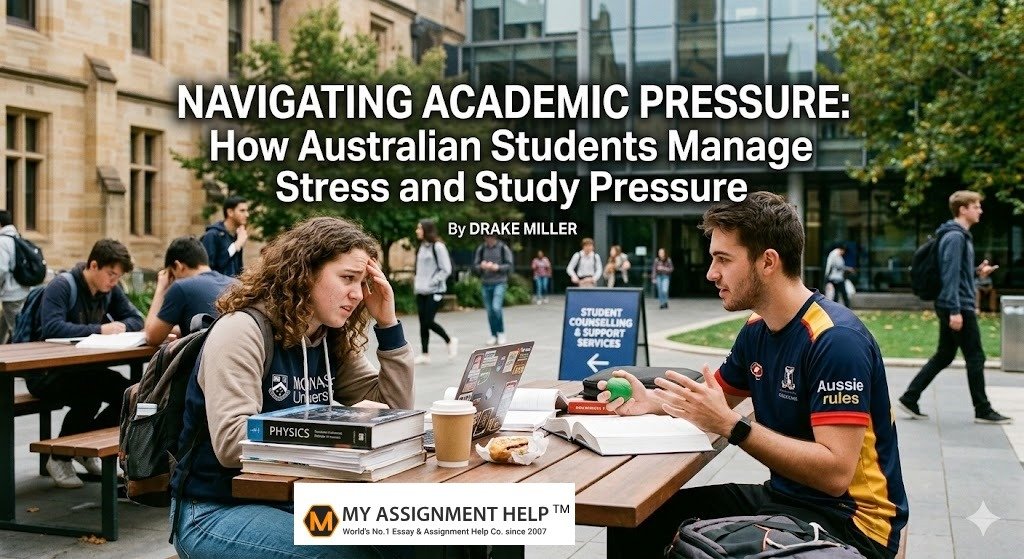
In the competitive landscape of Australian education, from the coastal high schools of New South Wales to the bustling lecture theatres of Melbourne and Brisbane, a common thread unites students: the pursuit of academic excellence. However, this pursuit often comes at a significant cost. With the rise of the ATAR (Australian Tertiary Admission Rank) system, increasing tuition costs, and a tightening job market, Australian students are facing unprecedented levels of stress.
Understanding how to manage this pressure is no longer just a “bonus” skill—it is a necessity for survival and success. This guide explores the unique challenges faced by high school and university students in Australia and provides actionable strategies to maintain mental well-being while achieving academic goals.
The Landscape of Academic Stress in Australia
Recent studies from organizations like Mission Australia and ReachOut consistently highlight that academic stress is one of the top concerns for young Australians. For high school students, the “ATAR anxiety” can be paralyzing, while university students grapple with the “juggle”—balancing part-time work, internships, and high-level research.
Why is the Pressure Increasing?
- The High Stakes of ATAR: For Year 12 students, the ranking system can feel like a final judgment on their future potential.
- Financial Burden: The rising cost of living in major Australian cities means many students work 20+ hours a week alongside full-time study.
- Digital Overload: Constant connectivity via social media leads to “upward social comparison,” where students feel they aren’t doing enough compared to their peers.
1. Mastering Time Management: The Pomodoro and Beyond
One of the primary sources of stress is the feeling of being “behind.” Effective time management is the first line of defense.
For commerce and business students, managing heavy analytical workloads often requires specialized help. If you are struggling to balance your ledger books with your study schedule, seeking cost accounting assignment help can free up the necessary time to focus on your well-being without falling behind in your coursework.
The Pomodoro Technique
Popular among University of Sydney and Monash students, this method involves studying for 25 minutes followed by a 5-minute break. After four cycles, take a longer break of 15–30 minutes. This prevents burnout and maintains high levels of focus.
Time Blocking
Instead of a vague “to-do list,” try time blocking. Assign specific tasks to specific hours of the day. Using digital tools like Google Calendar or Notion allows you to visualize your day and ensure you’ve allocated time for meals, exercise, and sleep.
| Time Slot | Activity | Focus Type |
| 8:00 AM – 9:00 AM | Deep Work: Math/Physics | High Cognitive Load |
| 9:00 AM – 9:30 AM | Break & Nutrition | Recovery |
| 9:30 AM – 11:30 AM | Lecture Review/Note Taking | Active Recall |
| 11:30 AM – 12:30 PM | Exercise / Coastal Walk | Physical Health |
2. Leveraging Academic Support Systems
Smart students know that they don’t have to do it alone. Australia has a robust infrastructure of academic support, but many students fail to use it until they are in crisis.
- University Peer Mentoring: Most Australian universities (like UQ or UNSW) offer peer-assisted study sessions (PASS). These are led by students who have previously excelled in the course.
- High School Tutoring: For those struggling with complex subjects like Methods Maths or Physics, seeking external help is common. Expert academic support for Australian students provides targeted assistance to help students understand difficult concepts and manage their workload effectively.
- Specialized Technical Support: For those enrolled in complex organizational or technical degrees, professional operations management assignment help provides targeted assistance to help students understand difficult supply chain concepts and manage their workload effectively.
3. Improving Physical Health for Better Study Results
The “grind culture” often encourages students to sacrifice sleep for study. However, the Australian Department of Health notes that sleep deprivation significantly impairs cognitive function, memory retention, and emotional regulation.
The “SAD” Cycle
Many students fall into the Sleep-Academic-Depression cycle. To break this:
- Prioritize Sleep: Aim for 7–9 hours. Your brain processes the day’s learning during REM sleep.
- Active Recovery: Utilize Australia’s natural beauty. A 20-minute walk through a local park or a surf at the beach can lower cortisol levels (the stress hormone) more effectively than scrolling through TikTok.
- Fueling the Brain: Swap the third cup of coffee for water and omega-3-rich foods like walnuts or salmon, which support brain health.
4. Mindfulness and Mental Health Literacy
Australia is a world leader in mental health initiatives like Headspace and Beyond Blue. Students are increasingly adopting mindfulness as a proactive tool rather than a reactive cure.
Mindfulness Techniques
- Box Breathing: Inhale for 4 seconds, hold for 4, exhale for 4, and hold for 4. This resets the nervous system during an exam.
- Guided Meditation: Apps like Smiling Mind (developed in Australia) offer programs specifically tailored for the classroom and university life.
5. Overcoming Procrastination and the “Perfectionism Trap”
Perfectionism is a major driver of stress in high-achieving Australian schools. The fear of not getting a “High Distinction” or a “90+ ATAR” leads to task paralysis.
The “Done is Better Than Perfect” Mindset
Understand that a first draft is meant to be messy. Use the “5-Minute Rule”: tell yourself you will work on a task for just five minutes. Often, the hardest part is starting. Once the momentum builds, the stress of the looming deadline begins to dissipate.
6. Building a Support Network
Loneliness is a silent contributor to study pressure. International students in Australia, in particular, face the added stress of being away from home.
- Study Groups: Form a group of 3–4 peers. Explaining a concept to someone else is the best way to reinforce your own learning (the Feynman Technique).
- Professional Help: Don’t hesitate to visit your school counselor or university health clinic. In Australia, the Medicare system often provides subsidized access to mental health professionals through a Mental Health Care Plan.
7. Balancing Work and Study in the Australian Economy
With the Australian economy requiring many students to work, managing a shift at a cafe after a 3-hour lecture is the norm.
- Communicate with Employers: Most Australian employers understand the demands of “exam season.” Give your workplace at least two weeks’ notice when you need to reduce hours for finals.
- Utilize Commute Time: Use the train or bus ride to listen to recorded lectures or review flashcards on apps like Anki.
8. Utilizing Technology Wisely
While technology can be a distraction, it is also a powerful ally for Australian scholars.
- Focus Apps: Tools like Forest allow you to grow a virtual tree while you stay off your phone.
- Reference Management: Use Zotero or EndNote to manage citations, which is often one of the most stressful parts of academic writing for university students.
Deep Dive: The Science of Learning in the Australian Classroom
To truly rank and excel, students must move beyond “passive reading” to “active recall.” Whether you are tackling the HSC in Sydney or the VCE in Melbourne, the cognitive principles remain the same.
Active Recall and Spaced Repetition
Research shows that testing yourself on material is far more effective than re-reading notes. Australian medical and law students frequently use Spaced Repetition Systems (SRS) to memorize vast amounts of data. By reviewing information at increasing intervals, you move knowledge from short-term to long-term memory.
The Feynman Technique
Named after the Nobel Prize-winning physicist, this involves picking a concept you want to learn, then explaining it in plain language as if you were teaching a sixth-grader. If you hit a wall in your explanation, that is exactly where your knowledge gap lies.
Addressing the Unique Needs of International Students
Australia remains one of the top destinations for international education. However, international students face unique pressures:
- Visa Compliance: The requirement to maintain full-time enrollment and passing grades to stay in the country.
- Cultural Adjustment: Navigating the “Aussie” classroom style, which often emphasizes critical thinking and participation over rote memorization.
- Language Barriers: Writing academic essays in a second language adds an extra layer of cognitive load.
Seeking help from specialized academic help for Australian students can bridge the gap for those struggling with the nuances of Australian academic English and referencing styles.
Frequently Asked Questions
Q.1 How can I manage ATAR anxiety during Year 12?
Managing ATAR anxiety starts with perspective. Understand that while the ATAR is a significant pathway, it is not the only pathway to your desired career. Focus on consistent, small goals rather than the final number. Utilize the “Time Blocking” method mentioned above to ensure you have scheduled “guilt-free” rest time. If anxiety becomes overwhelming, speak to your school counselor about a special consideration application or a mental health plan.
Q.2 What are the best study apps for Australian university students?
For productivity, Forest and Focus to-Do are excellent for implementing the Pomodoro technique. For organization, Notion or Evernote allow you to sync lecture notes across devices. For academic integrity and referencing, Zotero is a free tool that is widely compatible with Australian university library systems.
Q.3 How many hours a week should an Australian student work part-time?
While it depends on your course load, most student advocates recommend staying under 15–20 hours per week during the semester. Working more than this often leads to “burnout” and a decline in academic performance. Always prioritize your exam weeks by requesting leave from work at least 14 days in advance.
Q.4 What should I do if I fail a unit at university?
First, don’t panic. Failing a unit is more common than you think. Contact your course coordinator immediately to discuss your options—this might include a supplementary exam or re-enrolling in the next semester. Check your university’s “Census Date” for future units to avoid financial penalties if you need to reduce your study load.
Conclusion: Redefining Success
The pressure on Australian students is real, but it doesn’t have to be overwhelming. By combining effective time management, physical self-care, and the courage to seek help when needed—whether from a friend, a teacher, or a professional service—students can thrive.
Remember, your ATAR or your GPA is a reflection of your academic performance at a single point in time; it is not a reflection of your worth as a person. Australia offers many pathways to success, and maintaining your mental health is the most important prerequisite for any of them.
About the Author – Drake Miller
I am a dedicated blog author associated with Myassignment.services, known for creating insightful and student-focused content on education, academic challenges, and study strategies. With a passion for helping learners succeed, he writes informative blogs that simplify complex topics and offer practical guidance. His work aims to support students with valuable resources for academic growth and success.


There are always a lot of expectations when students start their online course, don’t you think? When they first enroll for an online course, their laptop is fully charged, and you are also very excited about this. Students are fully confident that they will manage their online class with full confidence. But hold on, what happened? Just a few days later, why do you find yourself falling behind in your coursework once again? The reasons can be many, but there are a few mistakes that students make unintentionally without knowing.
As everyone knows, the shift to digital education has made online instruction more convenient, but it has also brought along new challenges that could accidentally hinder your progress in school. In real life, many students finally ask themselves, “Should I pay someone to take my online course because I simply am incapable of catching up anymore?”
This concept highlights a bigger issue, such as a lack of awareness and control over mistakes. Luckily, it is possible to fix these mistakes. With the correct approach, you can take back control and succeed in your online classes.
What is Online Learning?
Let’s begin by defining online learning and discussing the various forms of online learning before going into all of the issues that students encounter in online courses.
Online learning, also known as eLearning, has gained in popularity in recent years. eLearning is simply any type of learning that can be done using a personal computer and internet access. The best thing about online learning is that you can do it from any location.
Online instruction has gained a position in educational institutions because it gives students more choice and freedom, allowing them to select the approach to learning that best suits them.
Common Challenges to Distance Learning and How to Overcome Them
Neglecting Technical Ability
The technical issues are a major barrier to online education. A weak internet connection or a lack of technology familiarity may hinder learning. Nearly 60% of students in online courses encounter technological difficulties, particularly during exams, according to study.
Imagine spending weeks studying for an online test only to lose connection while submitting. Performance is impacted, and anxiety is created by this circumstance. Until its too late, many students undervalue the significance of technical preparedness.
Always test your internet and prepare backup plans, such as mobile data, to address this. Before your lesson or test, familiarize yourself with the platform. A seamless learning process is ensured by technical preparation, which also lessens needless tension.
Absence of a Systematic Study Process
Lack of a consistent study schedule is one of the main mistakes students make when studying online. Online courses don’t have rigid scheduling as regular classrooms do. A regular study schedule increases a student’s chances of passing classes by 40%, according to research on education.
For example, a student who periodically watches classes while enjoying video games or browsing through social networks has difficulty recalling the subject. Without a framework, learning becomes passive instead of engaged.
A simple solution is to treat online classes just like traditional classrooms. Set aside some time each day specifically for practice and revision. Use tools to track your progress. A routine ultimately improves the ability to concentrate and increases work productivity.
Learning Passively Rather Than Actively
Lots of students think that attending lectures is sufficient for success. On the other hand, passive learning, just hearing without engaging, leads to low memory. Active learners retain up to 75% more knowledge than passive learners, according to research.
For example, a student who attends lectures on recordings without taking notes or asking questions frequently forgets important ideas rapidly. Conversely, active revision, problem-solving, and conversation all enhance comprehension.
To overcome this, be a part of online discussions and take notes during lectures. Make use of strategies such as summarizing ideas in your own words. Learning becomes an efficient process when students actively participate in the process.
Inadequate Time Management and Delays
Poor time management is the largest problem that many students face when learning online. It’s simple to become a target of little delays that escalate into missed discussion postings and hurried study sessions or projects when there isn’t a clear class time.
Even worse, skipping or hurrying through important modules in some courses can cause you to fall too far behind to fully understand the subject.
Believing That Online Education Is “Easier”
Assuming that an online course will be simpler than an in-person one is another big error. Many programs have the same level of discipline. The primary distinction is that you are responsible for overseeing the structure and transparency, which could pose an obstacle to your academic achievement.
Avoiding Practice and Revision
Research has shown that students who read a textbook on a regular basis do exceptionally well on tests. Many students neglect updating their work to join regular classes and do assignments. Students who do not stress revision run the risk of disregarding their ideas.
For instance, a student might have trouble completing an exam if they study a topic only once. Regular revisions, on the other hand, help improve understanding and memory.
Make time each week for revision to get around this. To reinforce learning, use flashcards, quizzes, and practice exams.
Excessive Dependency on Outside Assistance
If you get frustrated, it’s a good idea to ask for help, but avoid relying on online class takers a lot, or you will hurt your capacity to learn. Certain learners begin to depend excessively on online class-takers to do their usual academic tasks. It may feel like a quick fix, but it stops your growth and learning.
A student who constantly needs assistance to get through the course but then has difficulty in later courses due to a lack in basic knowledge. Use support as an add-on, not a replacement.
First, learn to resolve your problems yourself. If you cannot, then request for professional help. Building up your own skills ensures trust and a lasting success.
How to Correct the Errors in Online Education?
The primary step is understanding, if you see any of the pitfalls in yourself, or think they could strike you. Utilizing these e-learning tactics will help you avoid typical errors and put yourself in an ideal position for victory.
Create realistic check-ins
Time box your week
Set out two or three regular study windows on your schedule and regard them as in-person seminars that you simply must attend.
Apply the “10-minute rule.”
Make a commitment to work for just ten minutes at a time before taking a break if you’re feeling stuck. Gaining momentum could cause your mind to switch to studying mode.
Participate in Your Class
Ask questions as soon as possible
If something remains unclear, you should message your teacher or write in the chat topic.
Make use of office hours
Even a quick check-in with the teacher can help you understand any ideas you’re having trouble with and save you a ton of time and frustration down the road.
Consider It an In-Person Course
Meet the standards
Set aside the same amount of time for online education as you would for a traditional classroom setting.
Learn the format
You are in charge of the routine, although online learning is customizable. Like classroom sessions you can’t miss, safeguard your study periods.
How Do You Create an Effective Online Learning Plan?
Success in online classes is a combination for preparing and good strategies. If you want achievement in all areas, then set up low targets for it. You may additionally utilize electronic planners and calendars to help schedule your study.
It is claimed that students who monitor their education can get higher grades than those who do not. Concentrate on specific areas at a time, and you will be able to get better in topics that you struggle with.
Students must be aware that studying online is somewhat different from learning in the classroom, so it calls for an alternative approach. With the correct tools and a positive attitude, you can make opportunities out of tough situations.
Conclusion
Online learning is an independent skill. You’ll falter. You won’t remember to sign in. You may even lag. And it’s alright. The secret is to learn from your failures rather than letting typical online learning errors dictate your path.
Begin modestly. Attend frequently. Remain inquisitive. Also, keep in mind that those with the freest time are not the most productive online learners. They are the ones who establish routines, maintain focus, and make necessary corrections when things veer off course.


Entering the world of higher education is an exciting milestone, but it often comes with a heavy workload. From complex essays to data-driven reports, the academic expectations in the UK can feel overwhelming. Many students find themselves staring at a blank screen, unsure of how to start or how to meet the strict marking criteria set by their professors. In these moments, the goal isn’t just to get the work done; it is to ensure the work is of the highest quality and, most importantly, completely original.
The search for academic support often leads students to browse various online platforms. Finding trustworthy assignment writing help is about more than just finding a writer; it is about finding a mentor who understands your subject. A reliable service acts as a safety net, allowing you to manage your time better while ensuring your submissions are polished and professional. However, with so many options available, you must know how to distinguish between a high-quality educational resource and a low-quality shortcut.
Why Plagiarism-Free Content is Non-Negotiable
In the UK academic system, integrity is everything. Universities use advanced software like Turnitin to check every single submission. Even a small percentage of unoriginal content can lead to serious consequences, including failing a module or facing disciplinary action.
The Value of Original Research
When you look for help, you are looking for a unique perspective. A reliable guide will take your specific assignment brief and build a response from the ground up. This involves searching through academic databases, citing peer-reviewed journals, and creating a logical argument that reflects your university’s specific requirements.
Understanding the “Model Paper” Concept
Think of professional writing help as a “model paper.” It is a high-quality example that shows you how to structure your thoughts, how to use evidence, and how to format your bibliography. Using these resources as a study tool is a great way to improve your own writing skills over time while staying within the rules of academic conduct.
Key Indicators of a Reliable Writing Service
Not all websites are created equal. To protect your grades and your reputation, you need to look for specific “green flags” before committing to a service.
Transparent Communication
A trustworthy platform will allow you to communicate directly with the person working on your project. This ensures that any specific lecture notes or feedback from your tutor can be incorporated into the final draft. If a website hides its writers or refuses to answer specific questions about their qualifications, it is best to look elsewhere.
Specialized Subject Knowledge
General writing skills are useful, but technical subjects require a specialist. For instance, if you are working on a long-term project at the end of your semester, you might look for a dedicated Term Paper Writing Service that employs experts in your specific field. Whether it is Law, Nursing, or Engineering, the person helping you should have a degree in that subject. This ensures that the terminology is correct and the research is up to date.
How to Verify the Quality of the Work
Before you submit any work, you should perform your own quality checks. This ensures that the help you received meets the high standards expected by your university.
Check the Referencing Style
UK universities are very strict about referencing. Whether your department uses Harvard, APA, or OSCOLA, the citations must be perfect. A reliable service will be well-versed in these styles and will ensure every source is correctly documented in the reference list.
Look for Evidence-Based Writing
A good assignment doesn’t just state opinions; it provides evidence. Check if the paper includes data, quotes from experts, and references to recent studies. This “academic weight” is what separates a passing grade from a distinction.
Tips for Staying Organized and Stress-Free
Using academic support is just one part of being a successful student. Organization is the other half of the equation.
- Start Early: Even if you plan to get help, don’t wait until the night before the deadline. Giving yourself and your helper more time results in a much higher quality of work.
- Review the Rubric: Always share your marking rubric with your assistant. This tells them exactly what the professor is looking for, from critical analysis to presentation.
- Use Feedback: If your tutor gives you feedback on a draft, pass it on. This allows for precise revisions that align with your tutor’s expectations.
Conclusion: Empowering Your Academic Journey
Finding reliable and plagiarism-free help is a smart way to navigate the pressures of university life. It allows you to focus on learning and participating in campus life without being crushed by constant deadlines. By choosing services that value original research, transparent communication, and subject-specific expertise, you are investing in your future success. Remember, the goal of academic help is to provide you with the tools and confidence to become a better student and a more effective writer.
Author Bio
Jack Thomas is a senior academic consultant at MyAssignmentHelp. With over 12 years of experience in the UK education sector, Jack has helped thousands of students overcome writing challenges and achieve academic excellence. He specializes in creating clear, accessible study guides and is a passionate advocate for academic integrity and student wellbeing.
Frequently Asked Questions (FAQs)
1. How can I be sure the assignment is plagiarism-free?
Reputable services provide a free plagiarism report (like Turnitin or Copyscape) with every order. This proves that the content is original and written specifically for you.
2. Is it safe to provide my assignment details online?
Yes, as long as you use a secure and encrypted website. Reliable providers have strict privacy policies to ensure your personal and academic information stays confidential.
3. Can I request changes if I’m not satisfied?
Most high-quality services offer free revisions. If the work doesn’t perfectly match your initial instructions, you can ask the writer to make adjustments until it meets your standards.
4. What subjects can I get help with?
Professional services cover almost every academic discipline, from Business and Finance to Healthcare and Social Sciences. They match you with a writer who has a degree in your specific field.
5. How do I know if the referencing is correct?
A good writer will be an expert in various styles (Harvard, Vancouver, etc.). You can also double-check the citations against your university’s official referencing guide for peace of mind.


Maximising Space on Tight Construction Sites

Best AI Face Swap Video & AI Image to Video Tools of 2026

Elegance Redefined: Choosing the Perfect Rhinoplasty for Your Face

Keala Winterhalt: Childhood, Career, and Family Roots

Meet Isaac Avett: Son of Seth Avett and Jennifer Carpenter

The Untold Story of Lola Jade Fielder-Civil
-
 celebrity8 months ago
Keala Winterhalt: Childhood, Career, and Family Roots
-
 celebrity8 months ago
Meet Isaac Avett: Son of Seth Avett and Jennifer Carpenter
-
 celebrity8 months ago
The Untold Story of Lola Jade Fielder-Civil
-

 celebrity8 months ago
The Inspiring Story of Shea Joelle James in Hollywood
-

 celebrity8 months ago
How Melanie Lynn Clapp Built a Creative Empire
-

 celebrity8 months ago
Milo William Langdon: Life of Liv Tyler’s Youngest Son
-

 celebrity8 months ago
How Wendy Etris and A.J. Styles Balance Family and Fame
-

 celebrity7 months ago
Jacelyn Reeves’ Life: Motherhood, Privacy, and Legacy in Hollywood