Connect with us

Health

Hygienstolar : Ultimate Guide for Healthcare Settings

Published

on

hygienstolar

Introduction to Hygienstolar

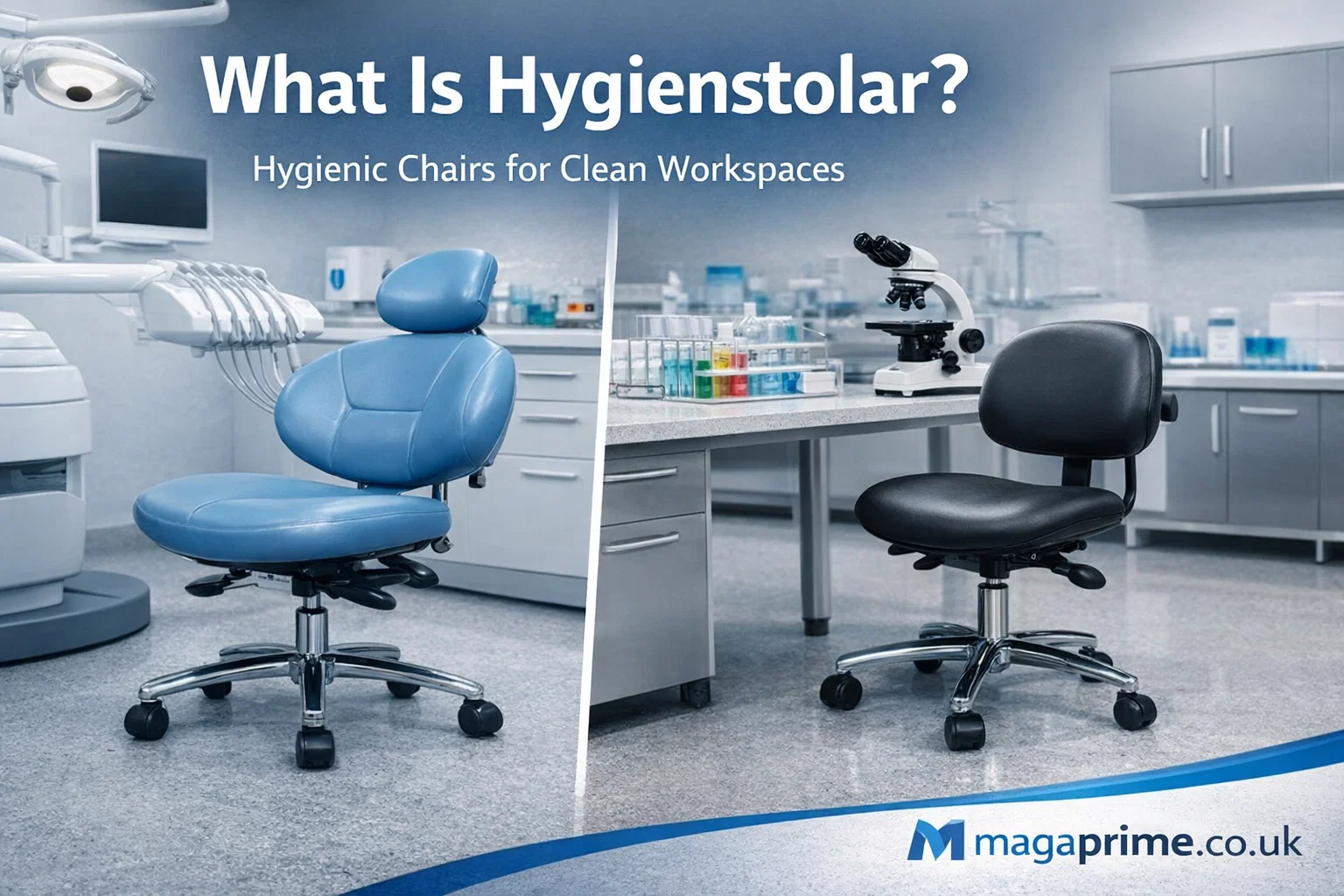
Hygienstolar, also known as hygienic chairs, have become essential in modern healthcare facilities, dental clinics, and laboratories. These chairs focus on hygiene-critical seating while providing both patient comfort and staff efficiency. With increasing concern for infection control, clinical seating must combine ergonomic seating, material durability, and easy-to-clean surfaces. Clinics and hospitals now rely on professional seating to support workflow efficiency and hygiene protocols. Adjustable chair designs ensure that healthcare professionals can work comfortably while patients receive maximum support during long procedures. Proper seating also reduces fatigue, strain, and discomfort for staff, improving overall occupational health.

Quick bio in table format

AttributeDetails
Topic / ProductHygienstolar (Hygienic Chairs)
PurposeHygiene-critical seating for clinics, dental offices, hospitals, and laboratories
Key FeaturesErgonomic seating, adjustable height chair, back support, foot support, antimicrobial surfaces, non-porous materials, mobile/portable seating
Primary BenefitsReduces bacterial contamination, improves patient comfort, supports staff ergonomics, enhances workflow efficiency, ensures hygiene protocol compliance
Target AudienceHealthcare professionals, dental clinics, laboratories, hospitals, cleanroom facilities
Types / VariantsDental chair, laboratory chair, cleanroom chair, hospital chair, mobile/portable seating
Materials UsedNon-porous materials, chemical-resistant materials, antimicrobial coatings
Design ConsiderationsSmooth wipe-down surfaces, seamless construction, seating durability, safety seating, comfort seating, professional seating design
InnovationsSmart chair features, integrated lighting/tech, workflow-enhancing equipment, ergonomic design enhancements
Maintenance RequirementsDaily cleaning with approved disinfectants, regular inspection of adjustable features, proper care for wheels and brake locks
Benefits to StaffReduces strain, supports posture, improves occupational health, increases productivity
Benefits to PatientsComfort during long procedures, improved experience, hygiene-focused seating solution
Industry StandardsCompliance with hygiene protocols, infection control seating standards
Future TrendsSmart technology integration, sustainable materials, advanced ergonomic enhancements, high adaptability for multiple users
Category SuggestionHealthcare Furniture / Clinical Equipment / Dental & Medical Chairs

What Makes Hygienstolar Unique

Hygienstolar are distinct because they integrate hygiene, comfort, and functionality in one design. They use antimicrobial surfaces and non-porous materials, making them easy to clean and maintain. Unlike standard chairs, these seating solutions comply with strict hygiene protocols. Back support, foot support, and adjustable height chair mechanisms ensure patients remain comfortable and staff maintain correct posture. Mobile and portable seating options allow chairs to be easily repositioned during treatments. Clinical chairs now include innovative chair technology that helps reduce contamination risks while providing professional seating suitable for healthcare environments.

Importance in Healthcare and Dental Clinics

Seating in healthcare settings affects both hygiene and operational efficiency. Hygiene-focused seating solutions reduce bacteria and contamination risks. Dental chairs, laboratory chairs, and hospital chairs are integral parts of hygiene equipment in clinics. Smooth wipe-down surfaces and cleanable designs make infection control seating practical and reliable. Using ergonomic seating and professional seating reduces staff strain while enhancing patient comfort. Clinics and hospitals that invest in well-designed chairs improve workflow efficiency, maintain hygiene standards, and enhance the overall patient experience. These chairs are especially crucial in high-traffic areas where multiple patients use the same seating daily.

Key Features of Hygienstolar

Modern hygienstolar include features that combine comfort, safety, and hygiene. Ergonomic design benefits help reduce fatigue for staff and improve patient comfort. Antimicrobial coatings protect against bacteria and other contaminants. Adjustable seat features and back support ensure patients remain properly positioned during procedures. Foot support adds stability and additional comfort. Wheels with brake locks provide mobility while maintaining safety. Chairs with seamless construction are easier to clean, reducing contamination risks. Chemical resistance materials extend the lifespan of seating in clinical environments. These features make hygienic chairs a reliable investment that meets both operational and hygiene needs.

Ergonomics and Patient Comfort

Ergonomic seating is critical for both staff and patient well-being. Proper back support, adjustable height chairs, and foot support reduce strain during long procedures. Comfort seating improves the patient experience by providing stability and relaxation during treatments. Dental clinic seating and laboratory chairs designed for ergonomic benefits allow staff to maintain correct posture. Ergonomics also enhance workflow, as staff can perform tasks efficiently without fatigue. Incorporating adjustable chair features helps accommodate patients of all sizes and mobility levels. In addition, hygiene-critical seating ensures that comfort does not compromise infection control or cleanability.

Types of Hygienstolar

Healthcare facilities have a range of hygienic chairs to choose from depending on their needs. Dental chairs provide ergonomic design, adjustable height, and antimicrobial surfaces for long procedures. Laboratory chairs are chemical resistant, height adjustable, and provide foot support. Cleanroom chairs are constructed from non-porous materials with smooth wipe-down surfaces to meet strict hygiene standards. Mobile and portable seating offers versatility for multiple users and high-traffic areas. Each chair type combines hygiene-focused seating solutions with professional seating design to ensure both staff and patients benefit from safety, comfort, and durability.

Chair TypeFeaturesIdeal For
Dental ChairErgonomic, adjustable, antimicrobial surfacesDental clinics
Laboratory ChairChemical resistant, height adjustable, foot supportLabs and research centers
Cleanroom ChairNon-porous materials, easy-to-clean designHigh-hygiene medical environments
Mobile/Portable ChairWheels, brake locks, adaptable seatingMulti-use healthcare spaces

Benefits of Hygienstolar in Clinics

Hygienstolar offer numerous benefits for both staff and patients. Ergonomic design reduces strain for healthcare professionals. Adjustable chair features improve workflow efficiency and productivity. Antimicrobial surfaces and cleanable materials maintain hygiene protocols compliance. Patient comfort is improved, especially during long procedures. Durable materials ensure chairs last for years, minimizing replacement costs. Seating adaptability allows clinics to accommodate multiple users safely. Professional seating in clinics enhances both staff satisfaction and patient experience. Incorporating hygiene-focused seating solutions contributes to safer, cleaner, and more efficient healthcare environments.

Innovations in Hygienstolar

Hygienic chairs continue to evolve with new features and technologies. Smart chair features, such as integrated lighting or sensor-based adjustments, improve clinical efficiency. Innovative chair technology supports workflow-enhancing equipment and reduces occupational strain. Antimicrobial coatings and non-porous materials ensure chairs remain clean and safe. Ergonomic enhancements, including adjustable seat features, back support, and foot support, enhance staff and patient experience. Healthcare facilities now benefit from seating designs that provide long-term durability, adaptability, and compliance with hygiene protocols. Smart, adaptable chairs are increasingly standard in professional environments.

Maintenance and Hygiene Practices

Proper maintenance is essential to preserve hygiene and durability. Smooth wipe-down surfaces and chemical resistance materials simplify cleaning. Regular inspections of back support, foot support, and adjustable features ensure functionality. Daily cleaning with approved disinfectants prevents contamination. Mobile chairs should have wheel locks checked before use. Following hygiene protocols extends seating lifespan and improves safety. Staff should be trained on chair care to maintain consistent cleanliness. Proper hygiene practices reduce infection risks while maintaining comfort seating and professional standards.

Choosing the Right Hygienstolar

Selecting the right hygienic chair depends on clinic needs, workflow, and patient comfort. Assessing the number of users and procedure duration helps determine ergonomic requirements. Adjustable seat features, back support, and foot support are essential. Antimicrobial surfaces and non-porous materials ensure hygiene compliance. Mobility and wheels with brake locks add versatility. Budget and maintenance considerations influence the final choice. Choosing the correct chair ensures comfort, safety, and operational efficiency while supporting hygiene-focused seating solutions.

Seating Design Considerations

Seating design affects functionality, hygiene, and overall workflow. Chairs with seamless construction are easier to clean and maintain. Ergonomic seating reduces staff strain during long procedures. Foot support and adjustable height chairs enhance patient comfort. Materials resistant to cleaners improve durability and reduce replacement frequency. Professional seating design balances comfort, hygiene, and aesthetic considerations. Integrating seating with workflow-enhancing equipment helps maintain efficiency. Clinics should consider seating adaptability for multiple users in high-traffic areas to optimize both patient and staff experience.

Integration in Healthcare Workflows

Hygienic chairs integrate into healthcare workflows to improve efficiency and safety. Adjustable height chairs and ergonomic seating support staff during procedures. Mobile/portable seating allows repositioning in labs, dental clinics, or hospital environments. Hygiene-focused seating ensures compliance with infection control protocols. Smooth wipe-down surfaces, antimicrobial coatings, and non-porous materials reduce contamination risks. Professional seating enhances staff productivity and patient comfort simultaneously. Smart chair features increase adaptability for multiple users and different clinical scenarios.

Advantages of Antimicrobial Surfaces

Antimicrobial surfaces reduce bacterial growth and contamination risks. Dental chairs, cleanroom chairs, and hospital chairs benefit from smooth wipe-down surfaces and non-porous materials. Antimicrobial coatings improve infection control seating while supporting hygiene standards. Clinics using such chairs enjoy safer environments, increased patient confidence, and reduced infection rates. These surfaces also extend seating durability and reduce maintenance requirements. Integrating antimicrobial technology into ergonomic seating ensures a combination of hygiene, comfort, and operational efficiency for all users.

Common Challenges and Solutions

Healthcare facilities face challenges such as high-traffic areas, multiple users, and frequent cleaning. Chairs with adjustable seat features, ergonomic support, and mobility address these concerns. Non-porous materials and chemical resistance improve cleanability. Proper training ensures staff maintain hygiene-focused seating effectively. Selecting chairs with wheels and brake locks enhances safety and flexibility. Smart chair features and innovative chair technology make seating adaptable to clinical requirements. Implementing these solutions improves workflow efficiency and occupational health seating in healthcare environments.

Future Trends in Hygienstolar

Future hygienic chairs will integrate smart features, advanced ergonomics, and sustainable materials. Integrated lighting and sensor technology will improve workflow-enhancing equipment. Adjustable and mobile seating will remain essential for high-traffic clinical environments. Antimicrobial coatings will continue evolving to reduce contamination risks. Seating adaptability will increase, allowing chairs to serve multiple clinical purposes efficiently. Ergonomic enhancements will focus on staff occupational health and patient comfort during long procedures. Innovations will make hygiene-focused seating solutions smarter, safer, and more sustainable.

Conclusion

Hygienstolar are essential for healthcare, dental, and laboratory environments. These chairs combine ergonomic seating, antimicrobial surfaces, adjustable height chairs, and durable materials. Investing in professional seating reduces staff strain, supports patient comfort, and ensures compliance with hygiene protocols. Smart selection and proper maintenance of these chairs enhance workflow, operational efficiency, and long-term seating durability. Clinics benefit from hygiene-focused seating solutions that improve safety, comfort, and overall patient experience. Choosing the right chair contributes to a cleaner, safer, and more efficient healthcare environment.

FAQs

What makes a hygienstolar different from a regular chair?
Hygienstolar prioritize hygiene, ergonomic seating, and antimicrobial surfaces, unlike standard chairs.

Can a hygienic chair be used in multiple clinical settings?
Yes, mobile and portable seating options allow use across labs, dental clinics, and hospitals.

How often should clinical chairs be cleaned?
Daily cleaning with approved disinfectants is recommended, along with regular maintenance checks.

Are antimicrobial surfaces fully effective against all bacteria?
They reduce bacterial growth significantly but require consistent cleaning protocols.

What features are most important when selecting a hygienstolar?
Ergonomics, adjustable seat features, antimicrobial surfaces, mobility, and material durability are key.


Continue Reading
Click to comment

Leave a Reply

Your email address will not be published. Required fields are marked *

Health

Ryker Webb Wilderness Survival Story

Published

on

ryker webb

Introduction A Survival Story That Shocked Montana

The story of Ryker Webb became one of Montana wilderness survival history most discussed real life incidents across America recently.
Moreover, this three year old boy survival story shocked global audiences because he survived alone in dangerous forest conditions.
Initially, missing child Montana reports created panic among residents near Troy Montana and surrounding rural communities.
Consequently, search teams immediately activated survival search operation protocols across northwest Montana forest and Bull Lake area.
However, nobody expected such a child lost in wilderness situation could end with a survival miracle outcome.
Additionally, cold temperatures survival risks combined with stormy weather conditions made rescue efforts extremely difficult throughout entire operation.
Therefore, authorities treated this case as high priority child safety incident involving possible hypothermia risk child scenario.
Meanwhile, community members joined emergency response coordination efforts supporting official search and rescue teams across rural wilderness rescue zones.
Moreover, early reports described wandering toddler disappearance from family backyard disappearance area near remote forest boundary regions.
Subsequently, Lincoln County Sheriff Darren Short confirmed full mobilization of search resources including aerial and ground operations.
However, conditions worsened quickly as thunderstorms Montana patterns developed across mountainous terrain and forest regions rapidly.
Therefore, responders prepared for extended search involving 48 hours survival window expectations under harsh environmental conditions.
Additionally, the case soon became widely recognized as true survival case demonstrating unexpected resilience in extreme wilderness.
Consequently, global attention increased as real life survival story unfolded across media platforms and news networks rapidly.

Quick Bio Table – Ryker Webb Wilderness Survival Case

CategoryDetails
NameRyker Webb
Age3 years old
Incident TypeMontana wilderness survival case
LocationTroy, Montana, near Bull Lake area
EnvironmentNorthwest Montana forest, remote forest area
Status at StartMissing child Montana emergency
Cause of IncidentWandering toddler from family backyard disappearance
Time MissingApproximately two days (48 hours survival)
Weather ConditionsStormy weather conditions, thunderstorms Montana, near-freezing temperatures
Survival RisksHypothermia risk child, dehydration in child, wildlife danger area
Wildlife RegionBear country wilderness, mountain lions habitat
ClothingPajamas survival clothing (blue footed pajamas)
Search OperationSurvival search operation, code red alert search
Search TeamsSearch and rescue teams, ground rescue teams, ATV search teams
Special UnitsK-9 units, canine search units, National Guard helicopters
Technology UsedDrones and helicopters search, drone surveillance search
AuthorityLincoln County Sheriff Darren Short
Community RoleCommunity search effort, volunteer rescue teams, neighbor report missing child
Key Area CoveredRural wilderness rescue zones, dense forest terrain
Discovery DistanceAround two miles from home rescue location
Rescue OutcomeFound alive rescue, lost child recovery Montana success
Medical FacilityCabinet Peaks Medical Center
Condition After RescueDehydration, exhausted but traumatized but safe child
Survival OutcomeTrue survival case, real-life survival story
Key FactorToddler survival instinct, temporary shelter survival
Shelter EvidenceShed shelter survival, log cabin shelter, makeshift sleeping arrangement
Emotional OutcomeEmotional reunion with parents
Public ImpactChild safety incident awareness, rural missing person case example
Overall ResultSafe recovery mission and successful rescue operation

The Day He Went Missing in Troy Montana

The incident began in Troy Montana where Ryker Webb lived near Bull Lake area surrounded by forest terrain.
Moreover, this rural environment included dense vegetation within remote forest area increasing risk for child wandering incidents significantly.
Initially, the toddler was playing near home when unexpected outdoor exploration behavior led him toward wooded regions nearby.
However, family did not immediately realize disappearance, assuming normal movement within yard or close surrounding property areas initially.
Consequently, time delay increased risk factors as child safety incident developed into full missing child Montana emergency situation.
Additionally, northwest Montana forest terrain made visibility difficult for anyone attempting early search without professional equipment support.
Therefore, early hours became critical as survival against extreme weather conditions started affecting search probability outcomes negatively.
Meanwhile, bear country wilderness and mountain lions habitat raised concerns about dangerous wildlife region exposure risks significantly.
Moreover, authorities later confirmed this was not controlled movement but accidental wandering toddler situation requiring urgent response.
Subsequently, Lincoln County Sheriff office activated structured search grid operation covering multiple forest zones systematically and efficiently.
However, early confusion delayed exact location identification increasing complexity of initial tracking missing child procedures across terrain.
Therefore, emergency teams expanded search radius across rural child disappearance case zones near residential boundary forests quickly.
Additionally, neighbors joined efforts after neighbor report missing child alert spread across local community communication networks rapidly.
Consequently, situation escalated into code red alert search requiring immediate multi agency response coordination across entire region.

Family Backyard Disappearance and Early Panic Response

The family initially believed Ryker Webb remained somewhere near house during early minutes of disappearance incident development stage.
Moreover, search around yard confirmed absence leading to rising panic as unexpected child wandering forest direction became likely.
Initially, family attempted manual search without success despite covering nearby areas surrounding property and rural boundary sections thoroughly.
However, time continued passing increasing risk of hypothermia prevention survival challenges in cold and wet environmental conditions.
Consequently, emotional distress increased rapidly as child outdoor curiosity behavior turned into serious emergency rescue operation requirement.
Additionally, blue footed pajamas worn by toddler provided minimal protection against freezing temperatures and storm conditions outside.
Therefore, vulnerability increased significantly during early night hours when survival in cold wilderness becomes extremely difficult for children.
Meanwhile, family contacted authorities triggering rapid deployment of search and rescue mission teams across multiple agencies immediately.
Moreover, initial reports classified situation as rural missing person case requiring urgent large scale coordinated response strategy.
Subsequently, emergency communication systems activated volunteer rescue teams alongside official law enforcement coordination units for efficiency.
However, limited visibility and forest density slowed early tracking missing child operations significantly during first critical hours.
Therefore, drones and helicopters search operations were requested to support ground teams covering inaccessible terrain regions quickly.
Additionally, emergency response coordination ensured structured planning across all participating units reducing duplication of search efforts effectively.
Consequently, early panic transitioned into organized operation supported by community emergency response networks and professional rescue systems.

Search and Rescue Operation Begins Across Montana Wilderness

The search and rescue mission began immediately under supervision of Lincoln County Sheriff Darren Short and coordination teams.
Moreover, survival search operation expanded quickly as multiple agencies joined effort across northwest Montana forest regions extensively.
Initially, ground rescue teams moved through dense forest scanning possible routes where wandering toddler might have traveled.
However, terrain difficulty slowed movement requiring ATV search teams to assist in covering rough inaccessible wilderness paths.
Consequently, canine search units were deployed to track scent trails through forest survival conditions effectively and rapidly.
Additionally, K-9 units played critical role identifying potential movement direction based on scent detection capabilities available.
Therefore, search grid operation was established dividing entire region into manageable sections for systematic coverage efficiency improvement.
Meanwhile, drone surveillance search technology provided aerial monitoring identifying heat signatures across difficult terrain areas continuously.
Moreover, National Guard helicopters supported search efforts providing wide aerial coverage during daylight and low visibility conditions.
Subsequently, emergency response coordination ensured communication between air and ground teams remained consistent throughout entire operation period.
However, unpredictable weather caused delays as survival in storm conditions became increasingly challenging for field personnel.
Therefore, low visibility rescue conditions required repeated adjustments in search patterns across forested zones and valleys.
Additionally, volunteer rescue teams joined increasing manpower and accelerating coverage across rural wilderness rescue operation zones.
Consequently, combined efforts created one of largest coordinated child rescue success story operations in Montana history.

Role of Lincoln County Sheriff Darren Short Leadership

Lincoln County Sheriff Darren Short provided essential leadership during entire missing child Montana emergency response operation execution.
Moreover, his coordination ensured emergency response coordination between multiple agencies remained structured and highly efficient throughout process.
Initially, sheriff office verified reports confirming seriousness of situation involving child lost in wilderness near Troy Montana.
However, rapid escalation required immediate activation of code red alert search procedures across entire jurisdiction region.
Consequently, official communication channels informed public while maintaining operational focus on tracking missing child effectively and quickly.
Additionally, sheriff prioritized deployment of search and rescue teams across most probable movement zones surrounding property.
Therefore, structured leadership improved decision making speed during critical early hours of survival search operation execution.
Meanwhile, coordination included both ground rescue teams and aerial units including helicopters and drone surveillance systems.
Moreover, sheriff maintained regular updates ensuring community awareness while avoiding misinformation during sensitive child safety incident.
Subsequently, emergency response coordination benefited from centralized command structure improving overall efficiency of rescue mission execution.
However, environmental challenges including storms and cold temperatures survival risks complicated operational planning significantly across terrain.
Therefore, adaptive strategies were implemented ensuring continuous tracking missing child efforts despite weather disruptions and obstacles.
Additionally, law enforcement coordination helped integrate volunteer rescue teams into structured search framework effectively and safely.
Consequently, leadership played vital role in transforming chaotic situation into organized rural wilderness rescue operation successfully.

Montana Wilderness Conditions and Environmental Challenges

Montana wilderness survival conditions created extremely difficult environment for both child and rescue teams during entire operation.
Moreover, northwest Montana forest terrain included dense vegetation reducing visibility and complicating movement across search zones significantly.
Initially, weather patterns included thunderstorms Montana systems bringing heavy rain and sudden temperature drops across region.
However, cold temperatures survival risks increased dramatically during night hours affecting both survival and search efficiency outcomes.
Consequently, hypothermia risk child concerns became primary focus for rescuers understanding vulnerability of missing toddler situation.
Additionally, near freezing temperatures combined with wet conditions created dangerous survival against extreme weather challenges for child.
Therefore, forest survival conditions demanded rapid search execution before environmental exposure could cause severe health complications.
Meanwhile, bear country wilderness and mountain lions habitat added concern regarding potential wildlife interactions during exposure period.
Moreover, dense forest created thermal search difficulty reducing effectiveness of visual scanning and drone surveillance operations initially.
Subsequently, search teams adapted strategies focusing on grid based movement and systematic coverage of terrain sections.
However, terrain complexity slowed ATV search teams requiring careful navigation through uneven and forested pathways continuously.
Therefore, low visibility rescue conditions remained persistent challenge throughout early stages of search and rescue mission.
Additionally, rain and storm survival factors increased urgency for locating child before further exposure occurred critically.
Consequently, environmental conditions became one of most difficult aspects of entire rural missing person case response.

Massive Multi Agency Search Operation Deployment

The survival search operation expanded into massive coordinated effort involving multiple agencies across Montana wilderness regions rapidly.
Moreover, search and rescue teams included law enforcement, volunteers, aviation units, and specialized tracking professionals working together.
Initially, drones and helicopters search systems were deployed to scan large forest regions for heat signatures.
However, dense canopy cover reduced effectiveness of aerial surveillance requiring ground teams for detailed physical search operations.
Consequently, emergency response coordination adjusted strategy integrating both air and ground units simultaneously for maximum efficiency.
Additionally, National Guard helicopters provided critical support extending search range across remote forest area zones extensively.
Therefore, search grid operation became more structured dividing terrain into prioritized sectors based on probability analysis.
Meanwhile, K-9 units tracked scent trails potentially left by wandering toddler moving through forest pathways earlier.
Moreover, ATV search teams covered rough terrain quickly reaching areas inaccessible to foot patrol rescue teams.
Subsequently, volunteer rescue teams increased manpower significantly helping cover large geographical zones within limited time frames.
However, communication challenges occasionally occurred due to forest density interfering with signal transmission systems used by teams.
Therefore, coordination centers maintained continuous updates ensuring alignment between all participating units during search operations effectively.
Additionally, thermal imaging technology assisted in identifying potential movement areas during night time search operations conducted.
Consequently, combined technological and human effort created highly efficient child rescue success story operational framework overall.

Two Days Alone in Wilderness Survival Experience

Ryker Webb survived approximately 48 hours survival period alone in Montana wilderness survival environment under extreme conditions.
Moreover, this survival against extreme weather situation included continuous exposure to cold rain and forest isolation environment.
Initially, child experienced fear and confusion while navigating unfamiliar terrain within remote forest area surroundings independently.
However, toddler survival instinct likely guided behavior toward seeking shelter and minimizing exposure to harsh weather conditions.
Consequently, survival became possible despite lack of food or water access during entire missing period duration.
Additionally, hunger and thirst in child increased physical stress but did not immediately result in collapse.
Therefore, limited movement and shelter seeking behavior contributed to maintaining body temperature during critical exposure hours.
Meanwhile, stormy weather conditions continued throughout first night increasing difficulty of survival in cold wilderness environment.
Moreover, forest provided natural hiding spots reducing direct exposure to wind and rain during night periods.
Subsequently, child may have remained in sheltered locations reducing energy loss and maintaining survival stability overall.
However, dehydration in child became significant concern as hours passed without access to clean water sources.
Therefore, survival depended heavily on environmental protection rather than active food or water consumption patterns.
Additionally, makeshift sleeping arrangement behavior possibly helped maintain warmth during cold night survival period conditions.
Consequently, 48 hours survival outcome remains extraordinary considering environmental challenges and age vulnerability factors combined.

Toddler Survival Instinct and Behavioral Adaptation

Experts suggest toddler survival instinct played significant role in Ryker Webb surviving extreme Montana wilderness conditions successfully.
Moreover, children often react to stress by seeking enclosed spaces which may improve survival chances naturally.
Initially, behavior likely included staying still during dangerous weather reducing exposure to environmental risks significantly overall.
However, limited awareness of danger prevented panic running which often increases exposure in forest survival scenarios.
Consequently, calm behavior may have contributed positively to survival against extreme weather conditions experienced during period.
Additionally, forest shelter hiding place usage may have provided protection from wind and rainfall exposure levels.
Therefore, natural instincts supported survival even without conscious decision making or survival training knowledge present.
Meanwhile, temporary shelter survival behavior likely helped maintain partial body heat during night time temperature drops.
Moreover, avoidance of open terrain reduced risk of wildlife encounters in dangerous wildlife region environment significantly.
Subsequently, child likely remained within limited movement range improving chances of eventual discovery by rescue teams.
However, lack of water access remained primary survival challenge throughout entire 48 hours missing period duration.
Therefore, survival outcome highlights importance of environmental shelter more than resource availability in short term emergencies.
Additionally, nature survival instincts demonstrated surprising effectiveness in extreme rural wilderness rescue scenarios involving young children.
Consequently, this case became important study example in child safety awareness case discussions globally.

Discovery Two Miles From Home Location

Search teams eventually located Ryker Webb approximately two miles from home rescue area after extensive coordinated search.
Moreover, location was within forested zone identified through combined ground tracking and aerial surveillance operations effectively.
Initially, rescuers approached cautiously due to terrain difficulty and possibility of wildlife presence in surrounding region.
However, confirmation of child found alive rescue status immediately shifted operation into medical response mode quickly.
Consequently, emergency teams provided warmth and immediate care before transporting child to medical evaluation facility safely.
Additionally, Cabinet Peaks Medical Center received child for comprehensive health assessment and stabilization procedures immediately after rescue.
Therefore, condition was carefully monitored for dehydration and exposure related symptoms following wilderness survival experience.
Meanwhile, emotional relief spread quickly among search teams and community members involved in rescue operation efforts.
Moreover, Lincoln County Sheriff confirmed successful outcome marking end of intense rural wilderness rescue mission period.
Subsequently, family was informed leading to emotional reunion with parents after traumatic separation period ended successfully.
However, medical teams continued monitoring to ensure full recovery from hypothermia prevention survival risks exposure effects.
Therefore, overall rescue was classified as successful safe recovery mission despite extremely challenging environmental conditions faced.
Additionally, discovery reinforced importance of coordinated search grid operation strategies in missing child Montana cases.
Consequently, outcome became widely recognized as remarkable survival against extreme conditions story across media platforms globally.

Medical Evaluation and Emotional Recovery Process

After rescue, Ryker Webb was transported to Cabinet Peaks Medical Center for emergency medical evaluation procedures immediately.
Moreover, doctors assessed dehydration in child symptoms and checked for signs of prolonged cold exposure effects.
Initially, medical teams stabilized body temperature using controlled warming techniques to prevent further hypothermia related complications development.
However, despite exposure, child remained conscious and responsive indicating strong physical resilience during survival period experienced.
Consequently, condition was classified as stable though traumatized but safe child requiring observation and recovery time.
Additionally, emotional support was provided to help reduce stress following traumatic wilderness survival experience endured alone.
Therefore, medical stabilization after rescue became priority ensuring no long term health complications developed from exposure.
Meanwhile, family was reunited with child in controlled environment supporting emotional healing and recovery process together.
Moreover, healthcare professionals monitored hydration levels ensuring proper recovery from prolonged dehydration in child condition experienced.
Subsequently, psychological comfort became important focus alongside physical treatment for complete recovery process following incident.
However, overall prognosis remained positive with no serious long term injuries identified during evaluation procedures conducted.
Therefore, medical team confirmed successful recovery potential reinforcing positive outcome of child rescue success story event.
Additionally, hospital staff highlighted importance of quick emergency response coordination in survival case outcomes overall.
Consequently, recovery phase marked transition from crisis situation to healing and family reunification process completion stage.

Conclusion Reflection on Survival Miracle

The survival of Ryker Webb remains extraordinary example of Montana wilderness survival under extreme environmental conditions experienced.
Moreover, this missing child Montana case demonstrates importance of rapid response during rural emergency situations effectively.
Initially, situation appeared highly dangerous due to cold temperatures survival risks and stormy weather conditions present.
However, coordinated search and rescue teams successfully located child through structured emergency response coordination strategies used.
Consequently, 48 hours survival outcome highlights resilience and importance of timely intervention in wilderness emergencies.
Additionally, emotional reunion between family and child reinforced human impact of child safety incident response efforts.
Therefore, real life survival story continues to serve as awareness example for families living near forests.
Meanwhile, authorities continue improving search and rescue mission strategies based on lessons from this incident experience.
Moreover, community involvement played essential role demonstrating effectiveness of emergency response coordination at local level.
Subsequently, case remains widely referenced in discussions about outdoor survival incident prevention and safety education programs.
However, it also reminds that wilderness environments require constant supervision especially for young children always present.
Therefore, this story stands as powerful reminder of both danger and hope within rural wilderness rescue situations.
Additionally, it emphasizes importance of preparedness when living near bear country wilderness or remote forest areas.
Consequently, Ryker Webb survival story will remain significant example of human resilience and coordinated rescue success.

FAQ

1. What happened to Ryker Webb in Montana?

Ryker Webb, a 3-year-old boy, went missing near his home in Troy, Montana, and survived alone in the wilderness for nearly 48 hours.

2. How long was Ryker Webb missing?

He was missing for about two days, facing cold temperatures, storms, and dense forest conditions before being found alive.

3. Where was Ryker Webb found?

He was found in a remote forest area around two miles from his home near Bull Lake in northwest Montana.

4. How did Ryker Webb survive in the wilderness?

He likely used natural shelter areas like sheds or enclosed spaces and relied on instinct to stay protected from harsh weather.

5. What agencies were involved in the search operation?

Multiple search and rescue teams, K-9 units, drones, helicopters, and local law enforcement including Lincoln County Sheriff’s Office took part in the operation.

Continue Reading

Health

Bitni Spirs Meaning Story and Food Culture

Published

on

bitni spirs

Introduction to Bitni Spirs Trend

Many people search for unique food names online today. One such term is bitni spirs. It sounds simple, yet it creates curiosity. People want to understand what is bitni spurs and why it matters. This topic connects food, branding, and culture in a strong way.

In recent years, the urban food scene has changed quickly. People now prefer small and meaningful dining experiences. Bitni spurs fits perfectly into this shift. It shows how a simple idea can attract attention. Moreover, it proves that quality matters more than size.

At the same time, the name itself raises questions. Users search for bitni spurs meaning and its background. This growing interest shows its cultural impact. Therefore, exploring its story becomes important for food lovers and researchers.

Quick bio table of bitni spirs

CategoryDetails
Namebitni spirs / bitni spurs
TypeBurger restaurant concept
IndustryFood & Beverage
OriginBelgrade, Serbia
LocationVračar neighborhood, Katanićeva Street
Concept StyleStreet food concept
Business ModelSmall restaurant concept
Menu TypeMinimalist menu
SpecialtySignature burgers
FocusFood quality focus and consistency
Core IdeaSimple food done right
IngredientsHigh-quality ingredients
Dining StyleCasual dining experience
Space TypeSmall space restaurant
Brand IdentityStrong food brand identity
Naming MeaningLocal slang meaning “bitni” (important)
Branding StyleUnique restaurant name with humor
Popularity ReasonWord-of-mouth marketing
Customer BaseLoyal customer base
ReputationHidden food gem and local favorite burger spot
Market RolePart of Belgrade food scene
Trend InfluenceModern burger culture and urban dining trends
Key StrengthBurger craftsmanship
Business GrowthOrganic growth without heavy marketing
ChallengesManaging demand and maintaining quality
Cultural ImpactReflects local food culture and identity
ExperienceCozy food place with strong restaurant experience
Success FactorFocus on quality over quantity
Industry PositionIndependent food spot
Long-Term ValueFood business success story

What Is Bitni Spurs and Why It Matters

To understand the concept, we must define what is bitni spurs clearly. It refers to a small burger restaurant concept with a strong identity. The focus remains on quality food and a clear idea. Customers do not face too many choices. Instead, they enjoy a refined experience.

This concept stands out in modern dining culture. Many restaurants try to offer everything. However, bitni spurs follows a different path. It limits options and improves quality. This creates trust and consistency among customers.

Furthermore, it represents a new approach in the food industry. It combines a street food concept with a modern touch. As a result, it becomes more than just a place to eat. It turns into a cultural symbol within the local food culture.

Bitni Spurs Meaning and Cultural Context

The phrase bitni spurs carries a deeper meaning. The word “bitni” comes from local slang meaning “bitni,” which implies importance. It reflects something valuable and essential. This meaning connects strongly with the brand idea.

The restaurant naming concept plays a major role here. A unique name attracts attention and builds identity. Bitni spurs uses this strategy effectively. The name feels local and authentic. At the same time, it sounds modern and creative.

Moreover, language influences customer perception. People feel connected when they understand the meaning. This creates emotional value. Therefore, bitni spurs meaning becomes a key factor in its success.

Origin of Bitni Spurs in Belgrade

The bitni spurs origin begins in Belgrade. The concept started in the Vračar neighborhood. This area already had a rich and active food culture. The location on Katanićeva Street gave it strong visibility.

Belgrade has always supported small food businesses. The city values creativity and originality. Bitni spurs benefited from this environment. It quickly became part of the Belgrade food scene.

In addition, the founders understood local preferences. They studied local dining habits carefully. This helped them design a concept that fits the market. As a result, the restaurant gained early attention and trust.

The Story Behind Bitni Spurs

Every successful place has a unique journey. The bitni spurs story started with a simple idea. The goal was to create fresh burgers with high standards. The founders focused on quality and consistency.

They avoided complex menus and large spaces. Instead, they chose a small restaurant concept. This decision helped them control quality better. It also allowed them to connect with customers directly.

Over time, the story spread through word-of-mouth marketing. Customers shared their experiences with others. This created a loyal customer base. Gradually, the brand became popular without heavy promotion.

Bitni Spurs Restaurant Concept Explained

The bitni spurs restaurant follows a clear and focused approach. It uses a minimalist menu to simplify choices. Customers can easily decide what to order. This improves the overall restaurant experience.

The burger restaurant concept focuses on core items only. Each item reflects strong burger craftsmanship. The kitchen maintains strict standards for every order. This ensures food consistency at all times.

Moreover, the small space restaurant design adds charm. It creates a cozy food place that feels personal. Customers enjoy a casual dining experience in a relaxed setting. This approach makes the concept more appealing.

Signature Burgers and Menu Style

The menu remains the heart of the concept. It features signature burgers that highlight quality. Each burger uses high-quality ingredients and careful preparation. The focus stays on taste and texture.

The small menu strategy supports better service. It reduces confusion and improves speed. Customers receive fresh burgers every time. This builds trust and satisfaction.

At the same time, attention to bun and meat quality enhances the experience. The balance of flavors creates a memorable taste. This focus on detail reflects true food craftsmanship and culinary simplicity.

Why Bitni Spurs Became Popular

Several factors explain the rise of bitni spurs. First, it delivers simple food done right. Customers value honesty in food. They prefer authenticity over complexity.

Second, the concept creates a strong local food reputation. People trust recommendations from friends. This supports word-of-mouth marketing. It also builds a loyal customer base over time.

Third, social media food buzz plays an important role. Visitors share photos and reviews online. This increases visibility and attracts new customers. As a result, the place becomes a hidden food gem in the city.

Customer Experience at Bitni Spurs

Customer experience plays a key role in success. Bitni spurs offers a relaxed and friendly environment. The small space restaurant creates a personal connection. Customers feel comfortable and welcome.

The casual dining experience adds to the appeal. There is no pressure or formality. People can enjoy their meals freely. This improves the overall customer experience in restaurants.

Additionally, the staff focuses on service quality. They maintain a simple and efficient process. This ensures satisfaction for every visitor. As a result, customers often return for both food and atmosphere.

Role in Belgrade Food Scene

Bitni spurs Belgrade has influenced the local market. It represents modern burger culture and street food evolution. Many new businesses follow similar ideas today.

The concept supports urban dining trends. People now prefer smaller and more focused places. This shift benefits independent food spot businesses. It also encourages creativity in the industry.

Furthermore, it reflects cultural food identity. The brand connects with local values and tastes. This makes it an important part of the Belgrade food scene.

Food Branding and Identity Strategy

Strong branding plays a major role in success. Bitni spurs builds a clear food brand identity. The name, design, and concept align perfectly. This creates a memorable impression.

The brand personality in restaurants appears simple and honest. It avoids unnecessary complexity. At the same time, it uses humor in branding to engage customers.

Moreover, the unique restaurant name adds value. It sparks curiosity and conversation. This helps attract attention without heavy advertising. As a result, branding becomes a key growth factor.

Challenges in Food Business Growth

Every business faces challenges in food business. Bitni spurs also experienced difficulties during growth. Managing demand became a major issue. More customers meant higher pressure on operations.

Maintaining food consistency required strict control. The team focused on quality at every step. This helped avoid major problems. However, it required constant effort and discipline.

Growth also brought questions about expansion. The brand had to balance popularity and identity. It avoided losing its core values. This careful approach supported long-term success.

Bitni Spurs and Modern Food Trends

Modern food culture trends favor simplicity and quality. Bitni spurs fits perfectly into this direction. It focuses on high-quality ingredients and clean design.

The concept reflects culinary simplicity and food authenticity. People now prefer real and honest food. They value experiences over large menus. This shift supports experiential dining.

In addition, street food evolution influences this trend. Small places now compete with large restaurants. This creates opportunities for food innovation and creativity.

Lessons from Bitni Spurs Success

The journey offers valuable lessons for new businesses. First, focus on quality over quantity. This builds trust and long-term success.

Second, maintain food consistency at all times. Customers expect the same experience every visit. Meeting this expectation strengthens loyalty.

Third, use branding without heavy marketing. A strong identity attracts attention naturally. Finally, understand local dining habits and preferences. This ensures better connection with customers.

Conclusion

Bitni spirs represents more than a simple restaurant concept. It shows how a small idea can grow into a cultural symbol. The journey combines food storytelling narrative, branding, and quality.

From its origin in Belgrade to its current popularity, the concept remains strong. It continues to influence modern dining trends. People still search for bitni spurs meaning and its story.

Ultimately, the success of bitni spurs proves one important idea. Simple food, when done right, creates lasting impact. This lesson applies to every part of the food industry.

FAQs

What is bitni spurs
Bitni spurs is a small burger restaurant concept focused on quality and simplicity.

Where did bitni spurs originate
It started in Belgrade, especially in the Vračar neighborhood on Katanićeva Street.

Why is bitni spirs popular
It became popular due to quality food, strong branding, and word-of-mouth marketing.

What type of food does bitni spurs offer
It offers fresh burgers with a minimalist menu and strong focus on taste.

What makes bitni spurs unique
Its simplicity, consistency, and customer experience make it different from other places.

Continue Reading

Health

Trastel: Understanding Its Role in Modern Healthcare

Published

on

trastel

Introduction: Trastel and Modern Healthcare

Trastel has become an integral part of healthcare systems, impacting patient journeys and outcomes. Its implementation allows healthcare professionals to provide personalized care, improve recovery processes, and manage side effects effectively. By integrating advanced technology, collaboration tools, and real-time analytics, Trastel strengthens both patient experience and medical team efficiency. Patients, families, and healthcare providers benefit from a structured approach to treatment plans, emotional resilience, and support networks. The integration of clinical guidance, digital ecosystems, and educational outreach ensures that every patient receives tailored attention throughout their healthcare journey.

Quick bio table

AttributeDetails
TopicTrastel
DescriptionTrastel is a comprehensive healthcare system that enhances patient care, treatment planning, recovery, and operational efficiency.
PurposeTo provide accurate diagnosis, personalized treatment, and holistic support for patients and healthcare professionals.
Key FeaturesDiagnostic testing, imaging studies, therapeutic monitoring, real-time data analytics, workflow optimization, AI integration, collaborative platforms.
Benefits for PatientsOptimized recovery, symptom management, emotional resilience, family support, patient empowerment, structured follow-up care, psychosocial support.
Benefits for Healthcare ProfessionalsImproved operational efficiency, workflow automation, team communication, decision-making, data-driven insights, scalability, compliance with standards.
ApplicationsPersonalized treatment plans, clinical trials, community engagement, advocacy programs, awareness campaigns, educational outreach.
Technology IntegrationAI-driven tools, digital ecosystems, advanced technology adoption, predictive analytics, process automation, system optimization.
Patient ExperienceEnhanced communication, healing environment, recovery monitoring, wellness strategies, patient-centered approach.
Real-World ImpactSuccess stories demonstrating improved patient outcomes, productivity, and operational performance in healthcare organizations.
Future TrendsDigital transformation, AI integration, predictive healthcare analytics, scalability, sustainability initiatives, innovative patient-centered solutions.
CategoryHealth & Wellness / Medical Innovation
Key StakeholdersPatients, healthcare professionals, medical teams, family support networks, community groups, advocacy programs.
Recovery & Support FocusCoping strategies, side effect management, emotional resilience, wellness strategies, lifestyle adjustments.
Meta DescriptionExplore how Trastel enhances patient care, treatment plans, recovery, and medical workflow through advanced technology and support networks.

Understanding Trastel

Trastel is a comprehensive system that supports medical diagnosis, treatment planning, and follow-up care. It facilitates efficient communication among healthcare professionals and enables scalable solutions for hospitals and clinics. Through operational efficiency, process automation, and workflow optimization, Trastel improves both clinical and administrative functions. Patients experience streamlined outpatient visits, accurate diagnostic testing, and continuous therapeutic monitoring. Its integration of community groups, psychosocial support, and patient advocacy enhances overall recovery and engagement. Trastel represents a bridge between advanced technology and human-centered healthcare.

Diagnosis and Medical Assessment

A timely and accurate diagnosis is critical for positive health outcomes. Trastel supports diagnostic testing, imaging studies, and comprehensive medical assessment to identify health conditions. The system assists healthcare professionals in evaluating symptoms and developing personalized treatment plans. Data integration and real-time analytics allow for informed decision-making, while digital tools improve team communication. Patients benefit from faster consultations and structured clinical guidance. Effective healthcare communication ensures that patients understand their conditions, empowering them to actively participate in their treatment journey.

Personalized Treatment and Therapy

Personalized treatment plans are central to Trastel’s approach. By integrating lifestyle adjustments, wellness strategies, and tailored therapeutic monitoring, the system helps manage side effects and optimize recovery. Healthcare professionals design treatment plans that consider patient resilience, family support, and emotional well-being. Support networks and educational outreach contribute to patient empowerment and engagement. The system enhances clinical guidance by combining advanced technology with human-centered care, ensuring that every patient receives personalized attention and follow-up care.

Managing Symptoms and Recovery

Trastel facilitates continuous monitoring of symptoms and recovery processes. Through therapeutic tracking and side effect management, healthcare professionals ensure patient comfort and progress. Emotional resilience programs and coping strategies allow patients to manage health conditions effectively. Patients also benefit from family support, community resources, and structured follow-up care. By combining clinical guidance, real-world examples, and personalized treatment, Trastel provides a holistic approach to recovery that addresses both physical and psychosocial needs.

Support Networks and Healthcare Communication

Effective healthcare communication improves outcomes and patient satisfaction. Trastel connects patients to support networks, advocacy programs, and educational outreach initiatives. Collaborative platforms and communication tools allow families, medical teams, and community groups to stay informed and involved. Patients gain confidence and understanding of their treatment journey, while healthcare professionals enhance operational workflows and productivity. The integration of advanced technology ensures consistent communication and a healing environment that fosters recovery and emotional resilience.

Clinical Trials and Real-World Applications

Trastel supports clinical trials by providing scalable systems, data integration, and real-time analytics. Healthcare professionals use these tools to test new therapies safely and efficiently. Real-world examples highlight the system’s effectiveness in improving patient outcomes, productivity, and operational efficiency. Success stories demonstrate how Trastel combines advanced technology, personalized treatment, and collaborative platforms to achieve measurable results. Clinical trials benefit from structured workflow optimization, enhanced healthcare communication, and accurate decision-making.

Healing Environment and Patient Experience

A healing environment is essential for optimal recovery. Trastel promotes patient experience through personalized treatment, continuous support, and community engagement. Patients feel empowered when they receive clear information, psychosocial support, and structured follow-up care. Emotional resilience programs and family involvement enhance coping strategies. Healthcare professionals benefit from workflow optimization, collaborative tools, and operational efficiency. By combining patient-centered care with advanced technology, Trastel creates an environment where recovery is accelerated, symptoms are managed, and treatment journeys are optimized.

Operational Efficiency and Workflow Optimization

Trastel improves operational efficiency by streamlining administrative processes, reducing errors, and enhancing decision-making. Process automation, collaborative platforms, and real-time analytics help healthcare teams optimize workflows. Departments remain connected through integrated communication tools, enabling seamless patient care. Advanced technology adoption supports scalability, cost efficiency, and compliance standards. By optimizing operational workflows, healthcare organizations can focus on delivering high-quality patient care while maintaining productivity and regulatory compliance.

Advanced Technology and AI Integration

Trastel leverages advanced technology and AI-driven tools to enhance treatment planning, diagnostic testing, and therapeutic monitoring. Digital transformation allows healthcare providers to adopt innovative solutions that improve patient outcomes and operational workflows. The integration of AI tools supports data-driven decisions, predictive analytics, and personalized treatment. Future tech trends in healthcare are shaped by systems like Trastel, enabling scalable solutions, sustainability initiatives, and efficiency enhancement. AI integration ensures that healthcare professionals can focus on patient-centered care while utilizing technology effectively.

Patient Empowerment and Recovery Process

Patient empowerment is a key objective of Trastel. Access to personalized treatment, psychosocial support, and healthcare communication tools allows patients to actively participate in their recovery process. Structured follow-up care, family support, and coping strategies enhance emotional resilience and overall well-being. Patients develop confidence as they understand their treatment journey, manage side effects, and maintain adherence to therapeutic monitoring. Trastel ensures that recovery processes are efficient, supportive, and tailored to individual patient needs.

Community Engagement and Advocacy

Trastel strengthens community engagement by connecting patients with advocacy programs, awareness campaigns, and educational outreach initiatives. Healthcare professionals guide patients to resources and support networks, promoting preventive care and patient-centered strategies. Community engagement fosters patient empowerment and resilience. Healthcare organizations benefit from collaborative platforms that facilitate communication between patients, families, and providers. By integrating advocacy and education into the treatment journey, Trastel enhances both patient outcomes and overall healthcare efficiency.

Cost Efficiency and Sustainability

Trastel contributes to cost efficiency through streamlined workflows, process automation, and scalable systems. Digital ecosystems reduce administrative burden while maintaining high-quality care. Compliance standards and sustainability initiatives are integrated into operational processes, supporting eco-friendly practices. Advanced technology adoption ensures cost-effective solutions without compromising patient care. By optimizing resource allocation, healthcare organizations can provide better outcomes, enhance productivity, and implement sustainable strategies that benefit both patients and providers.

Real-World Examples and Success Stories

Numerous healthcare institutions have implemented Trastel to achieve measurable results. Real-world examples demonstrate improved patient experience, enhanced recovery processes, and streamlined workflow optimization. Success stories highlight the integration of advanced technology, personalized treatment, and collaborative platforms. Trastel allows healthcare professionals to manage complex health conditions effectively, improving both clinical and operational outcomes. Patients benefit from structured care, supportive networks, and emotionally resilient recovery processes that lead to long-term wellness.

Future Trends in Healthcare with Trastel

The future of healthcare is shaped by digital transformation, AI integration, and collaborative platforms. Trastel continues to evolve, offering innovative solutions for personalized treatment, operational efficiency, and patient-centered care. Healthcare professionals will rely on data-driven decisions, performance improvement tools, and predictive analytics. Advanced technology adoption ensures scalable systems and sustainability initiatives. Patients will experience faster recovery, improved symptom management, and enhanced emotional resilience as Trastel shapes the next generation of healthcare innovation.

Conclusion

Trastel represents a holistic approach to healthcare, combining advanced technology, personalized treatment, and operational efficiency. Patients benefit from optimized recovery, emotional resilience, and effective side effect management. Healthcare professionals gain streamlined workflows, collaborative platforms, and AI-driven tools. Support networks, educational outreach, and community engagement enhance patient experience. Real-world examples demonstrate its impact on patient outcomes, productivity, and healthcare innovation. Trastel continues to redefine modern healthcare, ensuring that every patient receives personalized, effective, and compassionate care.

FAQs about Trastel

  1. What is Trastel and how does it help patients?
    Trastel supports diagnosis, treatment, personalized care, and recovery through advanced technology and support networks.
  2. How does Trastel improve patient experience?
    It integrates emotional resilience, family support, follow-up care, and healthcare communication tools for optimized recovery.
  3. Can Trastel integrate AI and advanced technology?
    Yes, AI-driven tools and digital ecosystems enhance workflow, decision-making, and personalized treatment planning.
  4. Is Trastel useful for clinical trials?
    Yes, Trastel supports scalable systems, data integration, and real-time analytics for accurate and efficient trials.
  5. How does Trastel improve operational efficiency?
    Through process automation, workflow optimization, collaborative platforms, and system scalability in healthcare organizations.
Continue Reading

Trending

Copyright © 2017 Zox News Theme. Theme by MVP Themes, powered by WordPress.