
celebrity
Joseph Romano Life Outside the Spotlight


Introduction The Youngest Son of the Romano Family
Joseph Raymond Romano is the youngest child of the acclaimed Hollywood actor Ray Romano and his wife Anna Romano. Born in 1998, Joseph grew up in a household that has been in the public eye for decades due to Ray Romano’s work on the popular sitcom Everybody Loves Raymond. The show not only brought Ray immense fame and multiple Emmy Awards but also made the public curious about his private life and family. Despite this, Joseph’s upbringing has been largely protected from media scrutiny, allowing him to experience a more ordinary childhood than one might expect for a member of a celebrity family.
From an early age, Joseph was surrounded by siblings who were already exploring their own creative paths and personal interests. Alexandra, the eldest, showed ambition in public relations and marketing, while twins Matthew and Gregory developed their individual hobbies and academic pursuits. Joseph benefited from this environment by having access to creative inspiration and observing the dynamics of a closely-knit family, yet he was never pressured to follow in anyone else’s footsteps. The family philosophy prioritizes privacy, quality time, and personal growth, which has allowed Joseph to develop his own identity away from the constant gaze of media attention.
Quick Bio
| Field | Details |
|---|---|
| Full Name | Joseph Raymond Romano |
| Birth Year | 1998 |
| Age | 27–28 years (as of 2026) |
| Father | Ray Romano |
| Mother | Anna Romano |
| Siblings | Alexandra (Ally) Romano – eldest, Matthew Romano – twin, Gregory Romano – twin |
| Family Type | Celebrity family, private and close-knit |
| Early Life | Raised with privacy, observed siblings’ creative pursuits, exposed to Hollywood environment |
| Education | Structured schooling balanced with personal interests and creative exploration |
| Personal Interests | Art, music, creative hobbies, learning about entertainment industry |
| Exposure to Industry | Observed television production, voice acting, and behind-the-scenes work |
| Parenting Influence | Guided by Ray and Anna Romano, focus on privacy, independence, and creativity |
| Travel & Family Experiences | Participated in family trips, cultural exposure, and shared activities |
| Public Appearances | Very limited, mostly family events and milestones |
| Family Bond | Close relationship with siblings and parents, strong family cohesion |
| Notable Facts | Youngest child of Ray Romano, grew up with emphasis on privacy and personal growth, inspired by siblings’ careers |
| Philosophy | Encouraged to explore personal interests freely, balance life outside the media spotlight, maintain individuality within celebrity household |
Ray Romano Father and Hollywood Icon
Ray Romano is best known for his role in the long-running sitcom Everybody Loves Raymond, which earned him multiple Emmy Awards and critical acclaim. Beyond television, he has had a versatile career in stand-up comedy, voice acting, and film roles. His influence in Hollywood has not only shaped his professional life but also provided a creative and stimulating environment for his children.
Despite his public persona, Ray has always emphasized the importance of family. He maintains a careful balance between his career and the well-being of his children. The philosophy of protecting his kids from overexposure ensures that each child, including Joseph, can grow up with a strong sense of individuality and grounded personal development. Ray’s experiences as an actor also allow him to provide unique insight into creative pursuits while encouraging his children to pursue their interests in a supportive environment rather than under external pressure.
Overview of the Romano Family
The Romano family consists of four children, each at different stages of personal and professional development. Alexandra, commonly known as Ally, was born in 1990 and is the eldest. She has carved a niche for herself as a PR maven and marketing professional. Matthew and Gregory, born in 1993, are identical twins and have pursued their own creative and academic interests. Joseph, born in 1998, is the youngest child and has been raised with the same focus on privacy, personal development, and exposure to creative inspiration.
The family maintains strong bonds despite differences in age and interests. Ray and Anna Romano’s parenting approach emphasizes co-parenting, shared family experiences, and maintaining a normal household environment. The children have been given opportunities to explore hobbies, engage in creative activities, and participate in travel experiences while preserving their privacy. The Romano family demonstrates how celebrity parents can provide both exposure to industry insights and a balanced upbringing.
Early Life of Joseph Raymond Romano
Joseph Romano’s early years were spent in a household that valued both privacy and family cohesion. From a young age, he was exposed to the dynamics of a celebrity family while being protected from excessive public scrutiny. His upbringing focused on establishing a normal routine, building family relationships, and allowing room for personal exploration.
As the youngest child, Joseph had the advantage of observing his older siblings, learning from their successes and challenges. Alexandra’s dedication to her PR career, along with the twins’ involvement in creative and academic pursuits, provided a rich environment of inspiration. Joseph was encouraged to pursue his own interests without pressure, allowing him to develop a sense of individuality while remaining connected to the family unit.
Education and Personal Interests
Joseph Romano’s education was structured to provide a balance between academics and personal development. The Romano family encouraged participation in hobbies, creative activities, and opportunities for growth outside the classroom. Joseph was exposed to aspects of television production, voice acting, and other elements of the entertainment industry through observation, but there was no expectation for him to follow a predetermined path.
- Joseph explored creative hobbies including art and music.
- Family trips and experiences fostered learning and cultural awareness.
- Education was prioritized alongside personal growth and independence.
This combination of structured learning and freedom of exploration has helped Joseph develop a well-rounded character and a variety of skills that can serve him in any future career path.
Relationship with Siblings
Joseph shares a close bond with his siblings. Alexandra Romano, as the eldest, often served as a role model and mentor. Matthew and Gregory, as twins, offered companionship and opportunities for shared experiences. These relationships fostered cooperation, mutual respect, and a sense of security within the family.
The Romano children frequently engage in family travel, shared hobbies, and occasional creative collaborations. These experiences help strengthen family ties and provide a safe environment for Joseph to learn about social dynamics, cooperation, and personal responsibility. Sibling relationships have played a significant role in shaping Joseph’s social development and understanding of family dynamics.
Parenting Approach of Ray and Anna Romano
Ray and Anna Romano have always emphasized a parenting approach that combines guidance, encouragement, and respect for privacy. They focus on providing their children with the tools and support needed to develop independence and confidence.
- Encouraging creative pursuits without pressure.
- Maintaining a structured household to foster stability.
- Protecting children from excessive media exposure.
- Promoting family bonding through travel and shared experiences.
This approach has allowed Joseph to grow in an environment that balances creativity, privacy, and personal development. The focus on family cohesion ensures that the children, despite their public association, experience a grounded upbringing.
Public Appearances and Media Exposure
Joseph Romano rarely makes public appearances, reflecting the family’s commitment to privacy. Unlike other celebrity children who are constantly featured in media, Joseph has enjoyed a childhood mostly shielded from public scrutiny. Limited exposure has allowed him to participate in family events and celebrations without becoming a subject of media attention.
The family’s controlled public appearances also ensure that the children understand the distinction between private life and public persona. This approach helps Joseph develop a healthy perspective on media and celebrity culture while preserving normalcy in his daily life.
Creative Exposure and Interests
Growing up in a household deeply involved in entertainment has naturally exposed Joseph to creative work from an early age. Observing his father’s career, along with the creative and professional pursuits of his siblings, has provided him with a wide range of inspiration.
Joseph has the freedom to explore creative hobbies, including art, music, and any other personal interests that appeal to him. Exposure to television production and voice acting through family discussions and occasional behind-the-scenes opportunities has broadened his understanding of creative work without imposing career expectations.
Sibling Careers and Inspiration
Matthew and Gregory Romano, as twins, have pursued individual interests and academic paths, while Alexandra Romano established herself in PR and marketing. Observing his siblings’ successes and learning experiences has given Joseph insight into career options and the value of dedication.
- Exposure to sibling career paths provides inspiration.
- Joseph can explore his own interests freely.
- Family support encourages independence and creative exploration.
The Romano children’s diverse pursuits create a nurturing environment where Joseph can consider his options without external pressure.
Family Bond and Life Lessons
Joseph’s upbringing emphasizes strong family bonds and shared experiences. Family travel, creative projects, and quality time together have instilled values of cooperation, mutual support, and respect. These experiences also reinforce lessons in privacy, personal growth, and maintaining balance in life.
- Emphasis on family cohesion and emotional support.
- Learning respect for privacy and individuality.
- Sibling relationships foster mentorship and guidance.
These lessons are foundational in Joseph’s development, helping him navigate life in a celebrity family with confidence and maturity.
Travel and Family Experiences
The Romano family often travels together, providing opportunities for cultural exposure, shared experiences, and personal growth. Travel has allowed Joseph to explore new environments, develop his creativity, and strengthen bonds with his siblings and parents.
Family trips often include educational experiences, visits to cultural hubs, and activities that encourage curiosity and independence. Travel experiences complement Joseph’s personal development and offer opportunities to engage in collaborative and creative pursuits.
Privacy and Life Outside the Spotlight
Maintaining privacy has been a priority for the Romano family. Joseph Romano’s childhood has been intentionally kept away from constant media attention. Family photos and public appearances are selective, focusing on personal milestones and significant family events rather than daily life.
This strategy allows Joseph to experience a normal upbringing while still benefiting from exposure to creative influences and family support. The distinction between public and private life ensures he can grow without undue pressure from fame.
Family Timeline Table
| Year | Event | Notes |
|---|---|---|
| 1990 | Alexandra (Ally) Romano born | Eldest child |
| 1993 | Matthew and Gregory Romano born | Twin sons |
| 1998 | Joseph Romano born | Youngest child |
| Marriage | Ray Romano and Anna Romano | Parents of four children |
The table highlights key family events and the chronological order of the children’s births.
Conclusion Growing Up as the Youngest Romano
Joseph Raymond Romano represents the youngest member of a celebrity family that carefully balances privacy, personal growth, and exposure to creative inspiration. His upbringing demonstrates the importance of family bonds, guided parenting, and life outside the public eye.
The Romano family philosophy ensures that Joseph can explore his personal interests and develop his individuality while benefiting from the support and guidance of siblings and parents. His childhood provides a model of how children in Hollywood can enjoy normalcy, creativity, and strong family relationships despite their association with fame.
FAQs
Who is Joseph Raymond Romano?
Joseph Romano is the youngest son of actor Ray Romano and Anna Romano.
How many children does Ray Romano have?
Ray Romano has four children: Alexandra, Matthew, Gregory, and Joseph.
Who are Joseph Romano’s siblings?
His siblings are Alexandra Romano and twins Matthew and Gregory Romano.
Why does Joseph Romano have limited media appearances?
His family prioritizes privacy to ensure a normal upbringing.
What are Joseph Romano’s interests?
He enjoys creative pursuits like art, music, and personal hobbies.

Hollywood Romance That Everyone Talks About
The search for timothee chalamet girlfriend continues to rise across global search engines. Fans want to understand his relationship status in detail. The interest increases because Hollywood relationships often remain private. Public curiosity grows when stars avoid direct confirmation.
The attention around Timothée Chalamet and Kylie Jenner builds due to their different entertainment worlds. One belongs to Hollywood cinema while the other belongs to reality TV and beauty business. This combination creates a strong media focus. As a result, their every appearance becomes a topic of discussion.
In modern celebrity culture, relationships are often tracked through public sightings. Fans observe award shows, fashion events, and private outings. This situation has placed both names at the center of ongoing speculation. Their presence in the same social circles strengthens this attention.
Quick Bio Table: Timothee Chalamet Girlfriend Topic Overview
| Category | Details |
|---|---|
| Main Keyword | timothee chalamet girlfriend |
| Primary Celebrity | Timothee Chalamet |
| Associated Celebrity | Kylie Jenner |
| Relationship Status | Not officially confirmed, widely speculated |
| Relationship Type (public perception) | Hollywood couple, celebrity relationship speculation |
| Dating Timeline (rumored) | Since around 2023 based on media reports |
| Key Public Locations | Los Angeles, New York City, London, Berlin |
| Major Events Linked | BAFTAs 2025, Oscars, Golden Globes, Critics Choice Awards |
| Fashion Events | Paris Fashion Week, Milan Fashion Week |
| Celebrity Spheres | Hollywood film industry + reality TV & beauty business |
| Kylie Jenner Brand | Kylie Cosmetics |
| Kylie Jenner Family | Kardashian Jenner family |
| Kylie Jenner Ex Partner | Travis Scott |
| Kylie Jenner Children | Stormi Webster, Aire Webster |
| Timothée Chalamet Projects | Marty Supreme, film promotions, press tours |
| Fashion Style Influence | Chrome Hearts, Dior, Prada, Balenciaga, Bottega Veneta, Versace |
| Public Interest Drivers | Award season appearances, fashion events, social media buzz |
| Media Coverage Type | Rumors, insider reports, paparazzi sightings, speculation |
| Relationship Themes | Private yet public relationship, celebrity dating culture |
| Public Behavior | Rare confirmations, indirect visibility, controlled privacy |
| Fan Engagement | High social media discussions, viral posts, theories |
| Cultural Impact | Gen Z celebrity couple fascination, fashion influence |
| Overall Narrative | Ongoing speculation about a high-profile Hollywood romance |
Who Are Timothee Chalamet and Kylie Jenner
Timothee Chalamet is a Hollywood actor known for strong performances in global cinema. He has appeared in major events like Oscars, BAFTAs 2025, Critics Choice Awards, and Golden Globes. His work is often connected with film promotion and international press tours. He is also associated with projects like Marty Supreme.
Kylie Jenner is a reality TV star and business personality. She is widely known through Kardashian Jenner family fame and Kylie Cosmetics. Her influence extends across beauty, fashion, and social media culture. Timothee chalamet girlfriend public image is closely followed by millions worldwide.
Her past relationship with Travis Scott is also part of her public history. Together they share children named Stormi Webster and Aire Webster. This family background adds more media attention to her personal life.
Both personalities represent different parts of entertainment culture. However, they share strong influence in fashion style and celebrity visibility.
How Dating Rumors Started
The dating rumors between Timothee Chalamet and Kylie Jenner began through subtle public sightings. These sightings were mostly reported in Los Angeles and New York City. Fans noticed small interactions during celebrity gatherings. These moments slowly built curiosity.
The rumors gained attention during high-profile events like the Beyoncé concert and fashion weeks. Social media platforms amplified these discussions quickly. Fans began connecting timelines and possible shared appearances. This created a growing narrative around celebrity dating speculation.
Insider reports added more fuel to the conversation. This silence increased public interest further. As a result, the idea of a hidden romance became widely discussed.
Dating Timeline and Early Connections
The dating timeline is based mostly on media reports and public observations. Many sources suggest activity since 2023. However, the relationship history remains unconfirmed officially. Fans continue building theories based on appearances.
Both celebrities were linked through fashion events in Paris Fashion Week and Milan Fashion Week. These global fashion platforms often bring major celebrities together. Shared attendance at such events increased speculation further.
Private outings in Los Angeles also became part of the discussion.
New York City also plays a role in their dating timeline theories. Both individuals are frequently present in the city for work and events. This makes overlap more likely in public spaces.
Public Appearances and Award Season Buzz
Award season plays a strong role in shaping celebrity relationship discussions. Events like Oscars, BAFTAs 2025, Golden Globes, and Critics Choice Awards bring global attention. Even when celebrities appear separately, fans connect their presence.
Timothée Chalamet often attends film-related events and red carpet appearances. Kylie Jenner is frequently seen at fashion events and award ceremonies. This creates parallel visibility in the same media cycle.
Public reactions increase when both appear active during the same season. Fans analyze timing, outfits, and location details. This leads to discussions about relationship milestones and romantic acknowledgment.
The media coverage around these events also increases speculation. Hollywood romance stories often grow during award season cycles.
Fashion Style and Couple Image
Fashion plays a major role in the public identity of both celebrities. Their outfits are widely discussed during red carpet appearances and fashion shows.
Timothée Chalamet is known for experimental street style and luxury outfits. Kylie Jenner is known for bold fashion style and designer appearances.
Luxury brands such as Chrome Hearts, Bottega Veneta, Dior boots, Balenciaga dress, and Versace gown are often linked with their appearances. Prada show events in Milan and Paris Fashion Week also highlight their fashion presence.
Coordinated couple fashion is often discussed in media analysis. Even when not appearing together, similar style choices increase public curiosity. This creates the idea of matching designer outfits and shared fashion influence.
Relationship Rumors and Media Coverage
Media coverage plays a powerful role in shaping public perception. The relationship between Timothee Chalamet and Kylie Jenner is often surrounded by speculation.
Breakup speculation appears at different times depending on sightings. Engagement rumors also appear when both attend similar events. Relationship stability rumors are frequently discussed in entertainment media.
Hollywood dating rumors cycle continues due to constant public interest. Social media platforms amplify even small details into large discussions. Fan reactions also influence how the story develops online.
Tabloid reports and insider reports add more layers to the conversation. However, most details remain unverified. This keeps the topic open for ongoing discussion.
Private Life, Family, and Balance
Both celebrities maintain strong boundaries between public and private life. Kylie Jenner focuses on her family and business responsibilities. Her children Stormi Webster and Aire Webster are part of her daily life.
Timothée Chalamet focuses on acting career and international film projects. He participates in press tours, film festivals, and award season promotions. His work schedule keeps him active across different countries.
Their lifestyle includes travel between Los Angeles, New York City, London, and Berlin. This creates a busy international routine. It also makes privacy more difficult to maintain.
Despite public interest, both avoid giving direct confirmation about personal relationships. This creates a balance between fame and privacy.
Celebrity Fashion Influence and Public Style
Fashion influence is one of the strongest elements in their public image. Both individuals shape modern fashion trends through appearances and collaborations.
Designer outfits worn during red carpet events often set global trends. Brands like Dior, Balenciaga, Prada, and Chrome Hearts gain more attention after being worn by celebrities.
Paris Fashion Week and Milan Fashion Week are major platforms where their influence is visible. These events highlight luxury fashion brands worn by celebrities and create new style trends.
Gen Z celebrity icons often follow their style choices. Social media platforms spread these trends quickly. Fashion collaboration influence becomes part of modern entertainment culture.
Social Media and Public Reaction
Social media plays a major role in shaping celebrity relationship discussions. Fans actively share opinions and theories online.
Instagram posts, paparazzi photos, and viral edits create continuous engagement. TikTok videos often analyze sightings and possible connections. Twitter discussions also increase speculation.
The internet obsession with celebrity couples grows when both stars are highly visible. Fans compare outfits, locations, and timelines. This creates ongoing discussion across platforms.
Public reaction is often divided. Some fans support the idea of a relationship. Others prefer privacy and avoid assumptions.
Public vs Private Relationship Style
The relationship style often appears private yet public at the same time. Neither celebrity confirms details directly. However, public sightings create ongoing discussion.
This creates a unique pattern in Hollywood romance culture. Public relationship confirmation often comes indirectly through appearances.
Romantic public acknowledgment is usually subtle. It is not expressed through official statements. Instead, it is observed through events and shared spaces.
Celebrity relationship privacy remains a strong factor in their public image.
Fashion Events and Global Appearances
Both celebrities appear frequently at global fashion and film events. These include Paris Fashion Week, Milan Fashion Week, WSJ Magazine Innovator Awards, and major award ceremonies.
Film festivals such as Berlinale Film Festival also highlight Timothée Chalamet’s career presence. Kylie Jenner often appears in fashion-related global events.
These appearances contribute to celebrity couple timeline discussions. Even when not together, timing creates speculation.
Los Angeles, London, New York City, and Berlin are major locations connected to their schedules. These cities are central to Hollywood romance coverage.
Celebrity Relationship Evolution in Modern Culture
Modern celebrity relationships are shaped by media attention and social platforms. Privacy is difficult to maintain in this environment.
Celebrity couple branding becomes part of public discussion. Luxury lifestyle couple images are often created by media narratives.
Hollywood dating rumors cycle continues due to constant visibility. Relationship evolution is tracked through public appearances rather than official statements.
Fans expect transparency, but celebrities often maintain distance. This creates a complex relationship between fame and privacy.
Film Projects and Career Focus
Timothée Chalamet continues to focus on major film roles and international projects. Marty Supreme is one of the projects linked with his career direction. His presence in film festivals and award shows keeps him active globally.
Kylie Jenner continues building her brand through Kylie Cosmetics and media influence. Her business growth remains a major part of her identity.
Both careers require global travel and public engagement. This makes their schedules highly active and sometimes overlapping.
Their professional success adds more attention to their personal life discussions.
Final Thoughts on Celebrity Relationship Buzz
The topic timothee chalamet girlfriend continues to remain highly searched due to constant media attention. Fans follow every public appearance and fashion event closely.
The connection between Timothée Chalamet and Kylie Jenner remains unconfirmed officially. However, public sightings and media reports keep the discussion active.
Their story reflects modern Hollywood romance culture. Privacy, fame, fashion, and media coverage all shape public perception.
In the end, their relationship narrative continues to evolve through speculation and global attention.
FAQs
Is Timothée Chalamet officially dating Kylie Jenner
There is no official confirmation from either side. Media reports and fan theories continue to circulate.
Why are Timothée Chalamet and Kylie Jenner linked together
They are linked due to shared appearances, fashion events, and media speculation.
What fashion brands are associated with them
Brands like Dior, Prada, Balenciaga, Chrome Hearts, and Bottega Veneta are often mentioned.
Do they attend events together
They often appear in similar event circuits, but not always together publicly.
Why is their relationship so popular online
Their fame, fashion influence, and mystery around their relationship increase public interest.
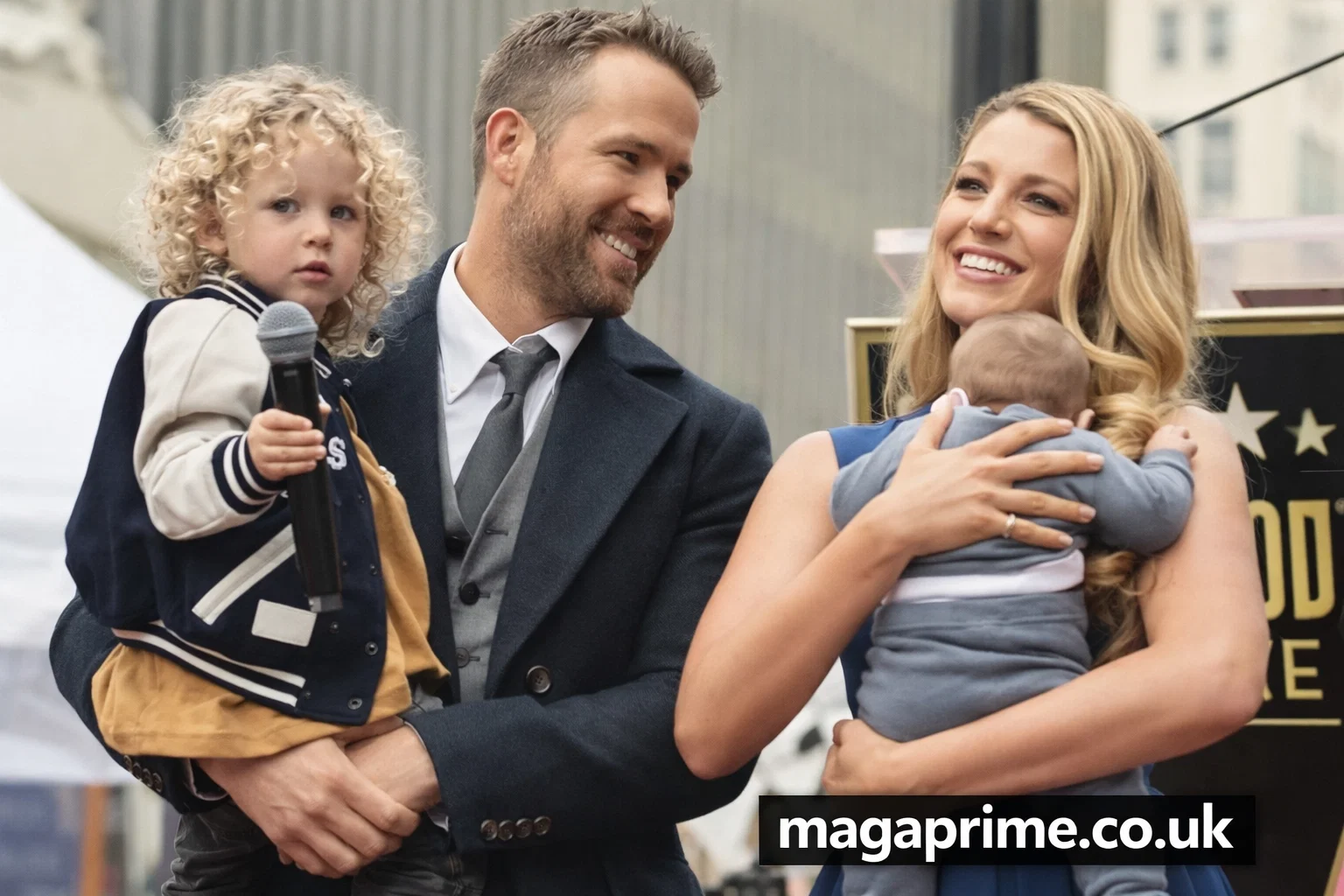
Introduction to Blake Lively Kids
The topic of Blake Lively kids continues to attract global attention because of the strong public curiosity around their family. Blake Lively and Ryan Reynolds are widely known as a famous couple in Hollywood. They have built a reputation for protecting their private family life while managing successful careers.
Blake Lively motherhood is often discussed in interviews where she shares small insights into her home life. Ryan Reynolds fatherhood is also admired for its humor and emotional depth. Together, they represent a Hollywood family that values balance between fame and parenting.
Their children are rarely seen in public, yet interest remains high. The family dynamics show warmth, structure, and emotional connection. This article explains their parenting style, kids personalities, and daily home life in detail.
Quick Bio Table: Blake Lively Kids & Family Overview
| Category | Details |
|---|---|
| Famous Parents | Blake Lively (American actress), Ryan Reynolds (Canadian actor) |
| Family Type | Hollywood family, celebrity parents |
| Number of Children | Four children |
| Children Names | James Reynolds, Inez Reynolds, Betty Reynolds, Olin Reynolds |
| Blake Lively kids overview | Four children raised in a private and balanced home environment |
| Parenting Style | Balanced parenting with humor, emotional support, and discipline |
| Ryan Reynolds parenting style | Uses humor, openness, and emotional honesty |
| Blake Lively motherhood | Focuses on emotional care, structure, and values |
| Family Life | Private family life with strong focus on normal upbringing |
| Celebrity Kids Privacy | Strictly maintained, children kept away from media spotlight |
| Public Exposure | Very limited public appearances of children |
| Kids Personalities | Mix of strong personality, funny personality, calm and affectionate traits |
| Son Personality | Affectionate, emotional, romantic son personality traits |
| Daughters Personality | Independent, expressive, creative, and strong-willed |
| Siblings Dynamics | Supportive, cooperative, and emotionally connected |
| Family Routine | Daily parenting life includes routines, bonding, and shared activities |
| Parenting Approach | Modern parenting approach focused on values and emotional growth |
| Parenting Challenges | Managing four kids, balancing work-life, handling different personalities |
| Emotional Environment | Warm, supportive, humor-filled home atmosphere |
| Family Goal | Raising confident, kind, and emotionally aware children |
| Celebrity Lifestyle Impact | Balanced carefully with strong focus on working parents balance |
| Media Strategy | Minimal sharing, controlled public information |
| Public Interest | High curiosity due to private nature of celebrity family |
| Overall Family Value | Family-first mindset with emphasis on love and privacy |
Blake Lively and Ryan Reynolds Family Overview
The Blake Lively family consists of two parents and four children. Despite being public figures, they maintain a strong private family life. This decision helps them create stability for their children.
Ryan Reynolds children are raised away from media pressure. Similarly, Blake Lively kids experience a grounded upbringing. The couple prefers a low-profile lifestyle at home.
Their famous family lifestyle includes work commitments and family routines. However, priority is always given to children. This approach has shaped their modern parenting style over the years.
Blake Lively Children Names and Family Structure
The Blake Lively children names often appear in discussions about celebrity parenting. Their four children include James, Inez, Betty, and Olin Reynolds. Each child contributes differently to the family environment.
James Reynolds is the eldest and often described as having a strong personality child nature. Inez Reynolds is known for a funny child personality. Betty Reynolds shows creativity and calm behavior. Olin Reynolds, the youngest, is often described with affectionate child behavior.
This big family creates a dynamic household. Siblings dynamics play a major role in their daily interactions. The differences in personality help shape emotional growth and understanding among the children.
Parenting Style of Blake Lively and Ryan Reynolds
The parenting style of Blake Lively and Ryan Reynolds is built on balance and emotional awareness. They focus on raising children with kindness and confidence. Their approach is rooted in modern parenting values.
Ryan Reynolds parenting often includes humor and open communication. Blake Lively motherhood focuses on emotional support and structure. Together, they create a balanced parenting system.
Their parenting insights show that discipline is not strict but consistent. At the same time, affection is freely expressed. This combination helps children feel secure and valued.
Celebrity Parenting and Private Family Life
Celebrity parenting brings unique challenges, especially in protecting children from public attention. Blake Lively kids are kept away from social media exposure. This reflects their commitment to celebrity kids privacy.
The couple strongly believes in keeping kids out of spotlight. As a result, their private family life remains respected by fans and media. This choice allows children to grow without unnecessary pressure.
Their approach shows how a Hollywood family can maintain normalcy. Despite fame, they prioritize emotional safety and everyday experiences.
Kids Personalities and Daily Behavior
The kids personalities traits in this family show clear individuality. Each child develops unique emotional and behavioral patterns. These differences are observed in everyday interactions.
Some children display strong personality child behavior. Others show calm and thoughtful responses. This mix creates balance in the home environment.
Kids behavior is shaped by both parents equally. Emotional intelligence is encouraged from an early age. This helps build self-awareness in children as they grow.
Son vs Daughters Difference in the Family
The son vs daughters difference is often mentioned in discussions about their parenting life. The Blake Lively son is known for affectionate child behavior and emotional openness.
In contrast, Blake Lively daughters show independent thinking and expressive personalities. Raising daughters vs son brings different parenting experiences. Each child requires a slightly different approach.
However, both parents treat all children equally. This ensures fairness and emotional stability in the household.
Family Life and Home Environment
Family life in the Reynolds household is structured yet flexible. Daily parenting life includes routines, playtime, and learning moments. These activities strengthen emotional bonds.
Home life with kids is filled with humor and unpredictability. Family chaos parenting moments are handled with patience and understanding.
Despite busy schedules, family routines are maintained. Meals, conversations, and shared activities create consistency. This improves family happiness and connection.
Parenting Challenges and Real-Life Experiences
Parenting challenges are part of raising four children. Blake Lively and Ryan Reynolds openly acknowledge parenting struggles and joys. These experiences shape their understanding of child development traits.
Managing different personalities can be difficult at times. However, they approach each situation with patience. Kids criticism humor is often used to lighten serious moments.
Working parents balance is another challenge they manage carefully. Their schedules are adjusted to prioritize children whenever possible.
Humor and Emotional Strength in Parenting
Parenting humor plays an important role in their household. Ryan Reynolds often uses jokes to ease stressful situations. This creates a relaxed environment for the children.
At the same time, emotional support from children strengthens family bonds. Kids often respond with affection and understanding. This mutual connection builds a strong parent-child relationship.
Such emotional exchanges help children grow with confidence. They also learn empathy through daily interactions.
Siblings Dynamics and Family Bonding
Siblings dynamics in this big family are important for emotional development. The children learn sharing, cooperation, and communication. These experiences shape their personality growth.
Family bonding moments are created through simple activities. Spending time together strengthens trust among siblings. Emotional understanding is built gradually over time.
This environment encourages healthy relationships between children. It also supports long-term emotional stability.
Teaching Values and Emotional Growth
Teaching kids values is a core part of their parenting philosophy. Respect, kindness, and honesty are emphasized in daily life. These values guide behavior and decision-making.
Self-awareness in children is encouraged through conversations and examples. Children are taught to understand emotions and reactions. This supports emotional development.
Kids upbringing in this family focuses on independence and responsibility. Children are allowed to express themselves while learning boundaries.
Public Interest in Blake Lively Kids
Public curiosity about Blake Lively kids remains strong due to their private lifestyle. Fans are interested in how a Hollywood family manages normal life.
Blake Lively interview moments occasionally reveal small details about parenting. Ryan Reynolds interview appearances also show humorous insights into fatherhood.
This limited exposure keeps public interest alive. However, privacy is always maintained for the children’s well-being.
Family Happiness and Long-Term Vision
Family happiness is the main goal for both parents. They focus on creating a stable and loving environment. Their parenting style supports emotional growth and confidence.
The couple believes in raising children who are kind and grounded. This approach reflects a strong family-first mindset.
Their long-term vision includes preparing children for life with balance. Love and understanding remain central to their household.
Celebrity Lifestyle with Kids and Balance
The celebrity lifestyle with kids requires constant adjustment. However, Blake Lively and Ryan Reynolds manage it with care. Their working parents balance is carefully maintained.
Despite busy careers, they prioritize home life with kids. This ensures children feel secure and valued.
Their approach shows that fame does not reduce family importance. Instead, it strengthens their commitment to parenting.
Conclusion
The story of Blake Lively kids reflects a thoughtful and balanced approach to parenting. Blake Lively and Ryan Reynolds have built a strong family foundation based on love, humor, and respect.
Their parenting style shows how emotional support and structure can exist together. The family continues to inspire people who value privacy and connection.
In the end, their journey highlights that raising children in a celebrity world is possible with care and intention.
FAQs
What are the names of Blake Lively kids
The children are James, Inez, Betty, and Olin Reynolds.
How do Blake Lively and Ryan Reynolds raise their children
They follow a balanced parenting style with humor and emotional support.
Why are Blake Lively kids kept private
They prefer to protect their children from media exposure and public pressure.
What is unique about their parenting style
Their parenting combines discipline, humor, and emotional understanding.
How many children do they have
They have four children in their family.

Introduction to Turner Kufe and Recent Buzz
Turner Kufe gained public attention after his connection with Lindsay Hubbard became widely discussed across celebrity news platforms. He was not known in television before this relationship, yet his name quickly became part of trending conversations. His link with a well-known reality TV star created strong interest among viewers who follow personal life updates closely.
At the same time, the story became more engaging due to its emotional and real-life elements. The relationship included romance, an unexpected pregnancy, and a shift toward co-parenting. Therefore, audiences who followed Summer House found the situation both relatable and surprising. The involvement of Carl Radke further increased attention, as past connections shaped public reactions.
Turner Kufe Quick Bio
| Field | Information |
|---|---|
| Full Name | Turner Kufe |
| Known For | Relationship with Lindsay Hubbard |
| Profession | Private individual (not a reality TV star) |
| Public Status | Gained attention through celebrity news |
| Partner | Lindsay Hubbard |
| Relationship Status | Separated / Co-parents |
| Ex-Connection | Linked to Carl Radke through Lindsay Hubbard’s past |
| Child | Daughter Gemma Britt Kufe |
| Role | Father of her child |
| Parenting Style | Co-parenting with Lindsay Hubbard |
| Relationship Type | Romantic relationship turned parenting partnership |
| Key Event | Unexpected pregnancy |
| Breakup Reason | Lifestyle differences and shifting priorities |
| Current Dynamic | Friendly exes and co-parents |
| TV Connection | Indirect link to Summer House on Bravo TV |
| Lifestyle | Private partner lifestyle |
| Public Image | Low profile, avoids media attention |
| Relationship Timeline | Private dating → pregnancy → baby → breakup |
| Notable Topic | Celebrity co-parenting story |
| Focus Now | Family life and parenting |
Who Is Turner Kufe
Turner Kufe prefers a private partner lifestyle, which clearly separates him from typical reality television personalities. He has stayed away from constant media appearances, and he rarely shares personal details publicly. However, his role as Lindsay Hubbard’s boyfriend brought him into public discussion, and his identity became closely tied to celebrity dating news.
Even though limited information is available about his professional life, his importance grew due to his relationship timeline with Lindsay Hubbard. As the father of her child, his role in family life became central. Consequently, audiences became interested in understanding how someone outside the spotlight manages a connection with a public figure.
Lindsay Hubbard and Her Public Life
Lindsay Hubbard built her image as a confident and expressive TV personality through her appearances on Summer House. Her journey included emotional highs and lows, which were openly shared with viewers. This openness created a strong connection with fans who followed her dating history and relationship drama.
Her engagement with Carl Radke was a major moment in her life. However, the called off wedding led to a highly discussed breakup. The reunion episode and Season 9 reunion included detailed conversations about that split. As a result, viewers remained invested in her future relationships and personal growth.
Relationship Timeline with Turner Kufe
The relationship timeline between Lindsay Hubbard and Turner Kufe developed quickly, and it attracted attention due to its unexpected pace. Initially, the couple kept their connection private, which created curiosity among fans. Over time, their romantic relationship became more visible through public appearances and subtle updates.
Soon after, the unexpected pregnancy changed everything, and their bond moved into a new phase. The dating timeline included moments of happiness, adjustment, and emotional challenges. Although some believed it was a rekindled relationship, the truth reflected a fresh connection shaped by real-life circumstances. Therefore, their journey felt both unpredictable and deeply human.
Unexpected Pregnancy and Big Life Changes
The unexpected pregnancy acted as a turning point that reshaped their priorities and daily lives. This moment created a mix of excitement and uncertainty for both individuals. Lindsay Hubbard shared her experience of being pregnant, which included emotional shifts and physical adjustments.
At the same time, Turner Kufe stepped into a new role as a future father. The baby announcement generated strong reactions across celebrity pregnancy news outlets. As a result, discussions about balancing career and family became more relevant. Life changes after baby often require emotional strength, and their story clearly reflected this transition.
Welcoming Daughter Gemma Britt Kufe
The arrival of daughter Gemma Britt Kufe marked a meaningful milestone for both parents. This moment brought joy, responsibility, and a renewed focus on parenting. The couple shifted their attention from romance to raising a child together, which highlighted a strong parenting partnership.
| Detail | Information |
|---|---|
| Child Name | Gemma Britt Kufe |
| Parents | Lindsay Hubbard and Turner Kufe |
| Role | Co-parents |
| Focus | Family life and parenting |
This stage introduced new routines, emotional bonding, and shared responsibilities. Although their romantic relationship faced challenges, their connection as co-parents became stronger.
Breakup and Reason for Split
The breakup between Lindsay Hubbard and Turner Kufe became a widely discussed topic in celebrity news. Many people asked why did they break up, and several factors were considered. The reason for breakup included lifestyle differences and changing priorities after becoming parents.
Their relationship status shifted gradually, and they decided to put relationship on pause before confirming a full split. Romantic compatibility issues became more visible during this period. As a result, the couple chose a path that focused on parenting rather than maintaining a romantic relationship. This decision reflected real challenges faced in modern relationships.
Carl Radke’s Reaction and Public Attention
Carl Radke shared his perspective during interviews and discussions, which added more attention to the situation. His past relationship with Lindsay Hubbard made his reaction especially meaningful. Fans remembered their engagement and previous breakup, which created a layered emotional response.
During the reunion episode and Season 9 reunion, cast members discussed these developments openly. Cast reactions varied, and many expressed support while others shared surprise. Therefore, the situation became a major part of reality show relationship drama.
Co-Parenting and Current Relationship Status
After the breakup, Lindsay Hubbard and Turner Kufe focused on building a strong co-parenting dynamic. Their current relationship status reflects a shift from romance to partnership in parenting. They are now considered friendly exes who prioritize their child’s well-being.
Their approach includes communication, shared responsibilities, and mutual respect. This situation shows how non-traditional relationships can still provide stability for a child. Many people view them as best friends after breakup, which highlights emotional maturity and understanding.
Life After Breakup for Lindsay Hubbard
Lindsay Hubbard entered a new phase after the split, and she continues to grow both personally and professionally. Her life after breakup includes managing motherhood while maintaining her presence as a TV personality. She remains connected to Summer House, which keeps her in the public eye.
At the same time, she focuses on emotional healing and stability. Moving on after engagement and later relationships requires resilience. Therefore, her journey reflects the challenges of navigating new parenthood while staying active in a demanding career.
Turner Kufe’s Private Lifestyle
Turner Kufe continues to live a private life, even after becoming part of a widely discussed story. His choice to avoid media exposure reflects his personal values. Unlike many reality TV figures, he does not seek attention or public validation.
However, his role as the father of her child remains important. He contributes to parenting and supports family life from a distance. This contrast between public and private lifestyles highlights how different personalities handle similar situations.
Public vs Private Relationship Challenges
The relationship between Lindsay Hubbard and Turner Kufe clearly shows the challenges of mixing public and private lifestyles. When one partner lives in the spotlight and the other prefers privacy, differences can grow over time. These public figure relationship challenges often lead to misunderstandings and stress.
Factors such as media pressure, lifestyle expectations, and communication styles influence outcomes. Therefore, many celebrity couples face similar struggles. Their story offers insight into how lifestyle differences in relationships can shape long-term decisions.
Relationship Drama and Media Coverage
The story gained widespread attention, and it became a central topic in celebrity dating news. Media outlets followed each update closely, from pregnancy to breakup. The shock breakup reveal created strong reactions among fans and commentators.
Coverage included behind the scenes reunion discussions, relationship recap analysis, and ongoing updates. Reality show relationship drama often attracts large audiences, and this case was no different. As a result, their journey remained in the spotlight for an extended period.
Parenting Over Romance A New Priority
The couple chose to focus on family priorities over romance, which reflects a shift seen in modern parenting relationships. Raising a child together became more important than maintaining a romantic bond. This decision shows how parenting can reshape relationship goals.
Their parenting partnership includes emotional support, shared responsibility, and long-term commitment to their child. Although the romantic relationship ended, the connection remained strong in a different form. This approach reflects a practical and mature outlook on life.
Future Possibilities and Moving Forward
There is ongoing curiosity about a future reconciliation possibility, although no clear signs suggest a rekindled relationship. Both individuals appear focused on their current roles and responsibilities. Their journey shows that relationships can evolve without ending completely.
Moving forward, they continue to build a stable environment for their child. Their story highlights emotional growth, acceptance, and adaptation. As fans continue to follow updates, the focus remains on parenting and personal development.
Conclusion
Turner Kufe became widely known due to his relationship with Lindsay Hubbard and the events that followed. Their journey included love, unexpected pregnancy, and a shift toward co-parenting. While their romantic relationship ended, their shared commitment to their daughter remains strong. This story reflects real-life situations where parenting, personal growth, and respect shape modern relationships.
FAQs
Who is Turner Kufe?
Turner Kufe is known as Lindsay Hubbard’s former boyfriend and the father of her child, living a private lifestyle.
Why did Lindsay Hubbard and Turner Kufe break up?
They separated due to lifestyle differences and changing priorities after becoming parents.
Are they still together?
They are not in a romantic relationship but continue co-parenting their daughter.
What is their current relationship status?
They are friendly exes who focus on raising their child together.
Who is Gemma Britt Kufe?
Gemma Britt Kufe is the daughter of Lindsay Hubbard and Turner Kufe.


The SongofTruth Org Spiritual Wisdom Platform Guide

Mary James Marsden: Family Life and Background in Hollywood

Timothee Chalamet Girlfriend Dating Story Explained

Meet Isaac Avett: Son of Seth Avett and Jennifer Carpenter

Keala Winterhalt: Childhood, Career, and Family Roots

The Untold Story of Lola Jade Fielder-Civil
-
 celebrity3 months ago
Meet Isaac Avett: Son of Seth Avett and Jennifer Carpenter
-
 celebrity3 months ago
Keala Winterhalt: Childhood, Career, and Family Roots
-
 celebrity3 months ago
The Untold Story of Lola Jade Fielder-Civil
-

 celebrity3 months ago
Milo William Langdon: Life of Liv Tyler’s Youngest Son
-

 celebrity3 months ago
The Inspiring Story of Shea Joelle James in Hollywood
-

 celebrity3 months ago
How Melanie Lynn Clapp Built a Creative Empire
-

 celebrity3 months ago
How Wendy Etris and A.J. Styles Balance Family and Fame
-

 celebrity3 months ago
The Untold Story of Jodean Bottom and Her Connection to the Phoenix Family